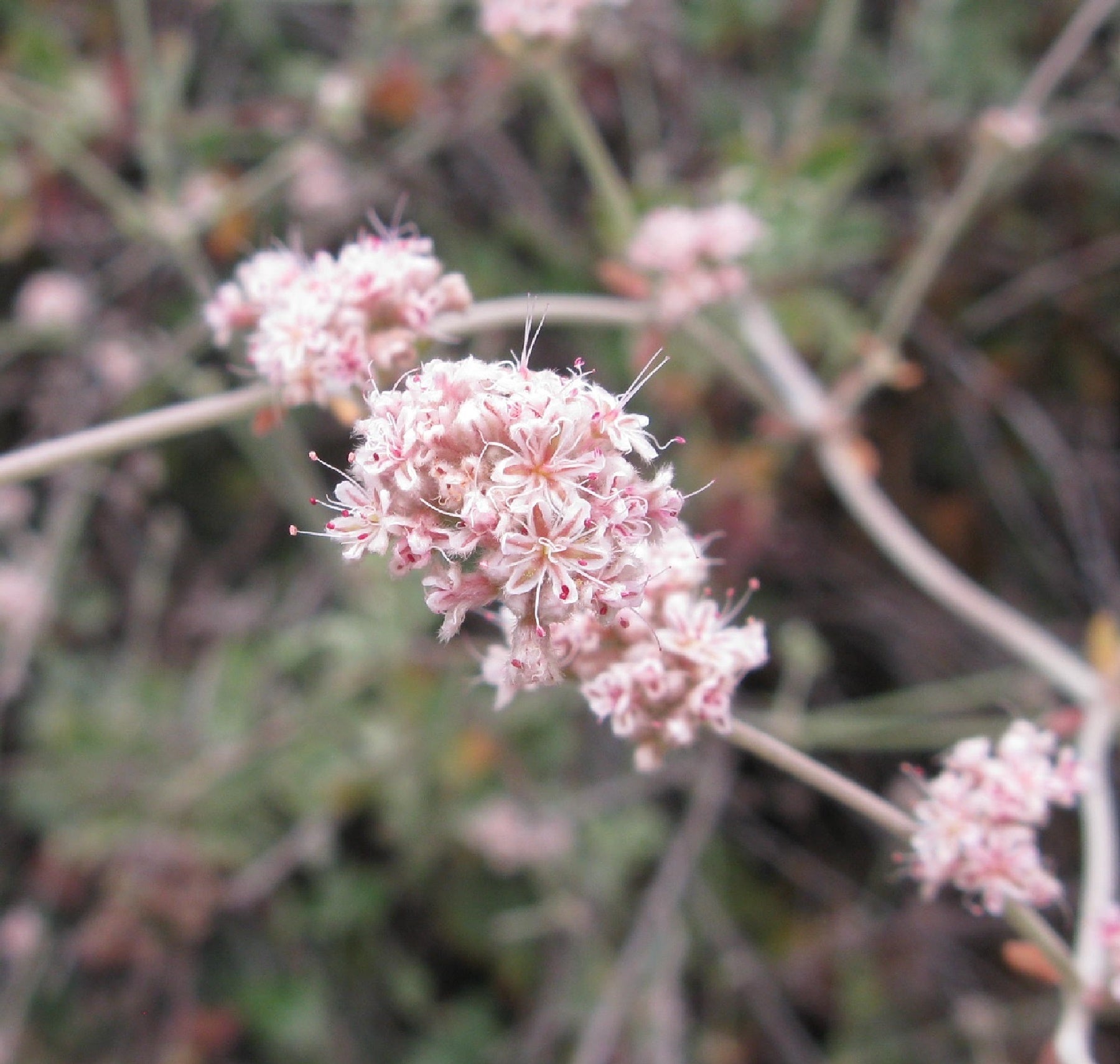



The Foothills Palo Verde tree (Parkinsonia microphylla) is a native desert species with green photosynthetic bark, delicate pinnate leaves, and pale yellow blooms. It thrives in the Sonoran Desert and surrounding arid landscapes, providing shade, soil benefits, nectar for pollinators, and historically, food uses. Its remarkable drought tolerance and striking presence make it a valuable plant for xeriscaping, restoration, and low‑water gardening.
How Indigenous Communities Traditionally Used the Palo Verde Tree
Indigenous peoples of the Sonoran Desert used parts of the Palo Verde for sustenance and material culture. The Seri and other groups ground seeds into flour, boiled young pods with meats, and consumed sweet green seeds and flowers. These practices show longstanding cultural relationships with this tree beyond ornamentation.
How did Indigenous peoples use the Foothills Palo Verde for food or tools?
Seeds were ground into flour, flowers and young green seeds were eaten, and the wood provided fuel and simple tools in traditional contexts.
Are there broader cultural traditions tied to Palo Verde trees?
Yes. Names and uses in Indigenous languages reflect deep ecological knowledge spanning generations in the desert Southwest.
Are Palo Verde Seeds Edible? Nutrition and Preparation Explained
Parts of the Palo Verde, especially the young pods and flowers, are considered edible when prepared correctly. Green seeds can be blanched, frozen, or dried and ground into flour. Mature drying seeds can also be processed for flour or storage.
Are Foothills Palo Verde seeds edible, and how are they prepared?
Yes. Young green seed pods and seeds can be blanched, roasted, or dried and ground into flour for use in baking or other foods.
What nutritional benefits do Palo Verde pods offer?
While formal nutrition profiles are limited, they provide protein and carbohydrates when dried or roasted, and green pods are mild and palatable.
Harvesting Palo Verde Pods: When and How to Collect Them
Palo Verde pods develop after flowering and mature through late summer. Knowing when and how to harvest is essential for both food use and propagation.
When is the best time to harvest Foothills Palo Verde pods?
Pods are ready when they turn brown and start to rattle inside, generally in late summer following spring blossoming.
How do you collect and store Palo Verde seeds or pods?
Gather pods before they split naturally, dry them, then remove seeds and store in a cool, dry place for later use or planting.
Growing Palo Verde Trees for Drought‑Tolerant Landscaping
Foothills Palo Verde is a hardy tree highly suited to desert landscapes, low‑water gardens, and restoration settings. Its resilience comes from desert adaptations that reduce water stress.
How do you plant and care for Parkinsonia microphylla in desert landscapes?
Plant in full sun with well‑drained soil. Water regularly while establishing, then minimal watering once mature. Avoid heavy, poorly drained soils.
What soil, water, and sunlight conditions are ideal?
It prefers sandy to loamy soils, little supplemental water after establishment, and full sun exposure for healthy growth.
How drought‑tolerant is the Foothills Palo Verde in xeriscapes?
Extremely drought‑tolerant. It drops leaves during severe dryness and uses photosynthetic bark to survive long dry periods.
Can you grow Foothills Palo Verde in a container or small space?
Yes—large containers with well‑drained medium can support growth, though outdoor planting is optimal for long‑term health.
Using Palo Verde as a Shade and Soil‑Improving Tree in Permaculture
In permaculture and sustainable planting, Palo Verde’s filtered shade and soil benefits are significant. Its canopy reduces evaporation while leaf litter adds organic matter. It also supports nitrogen cycling indirectly by fostering soil microbial health, making neighboring plants more resilient.
What landscaping and ecological benefits does the Foothills Palo Verde provide?
It supplies shade, supports pollinators with nectar, and creates a supportive microhabitat for understory plants due to leaf litter improving soil structure.
Common Problems When Growing Foothills Palo Verde and How to Solve Them
Even drought‑adapted trees can face issues in cultivation. Monitoring and intervention help maintain health.
What pests or diseases commonly affect Parkinsonia microphylla?
It can be impacted by root borers, mistletoe infestations, and Palo Verde borer insects. Regular inspection and pruning of affected limbs help maintain vigor.
How can you address these problems without harsh chemicals?
Prune infested branches, ensure good air circulation, and avoid over‑watering to reduce fungal and insect issues.
Foothills Palo Verde vs. Blue Palo Verde: How to Tell the Difference
Though related, these species are distinct and choosing the right one for your landscape matters.
How does Foothills Palo Verde differ from Blue Palo Verde?
Foothills Palo Verde (P. microphylla) has pale yellow flowers, smaller leaves, and a slightly smaller mature form than Blue Palo Verde (Parkinsonia florida), which has deeper yellow blooms and often larger pods.
Why choose one over the other in landscaping?
Choose Foothills Palo Verde for true desert settings and extreme drought tolerance—and Blue Palo Verde where slightly richer soils and occasional moisture are available.
Why the Foothills Palo Verde Is Arizona’s State Tree
Arizona selected Foothills Palo Verde as a state symbol because it represents the resilience and beauty of the desert environment. Its year‑round presence, drought tolerance, and bright spring blooms exemplify southwestern landscapes.
What does the Foothills Palo Verde symbolize in Arizona?
It embodies the spirit of adaptation and survival in arid conditions, tying cultural identity to natural heritage.
How does it contribute ecologically across Arizona?
It provides nectar for pollinators, shade for wildlife, and soil benefits across desert environments.