
Skip to content
FREE SHIPPING OVER $99

Growing Zone

Find Now

Have a question?

Ask Us!

Cart
Benefits of Growing Chaya Spinach Plant - Healthy Harvesters

Benefits of Growing Chaya (Tree Spinach): Your Guide to This Easy-to-Grow Green

Chaya thrives where most leafy greens fail — producing nutrient-dense, edible leaves year-round in hot climates, with minimal care once established.

Sun: Full sun Soil: Adaptable, well-draining Climate: Tropical–subtropical, frost-free
PALMATE, LOBED LEAVES COOK 10–15 MIN BEFORE EATING
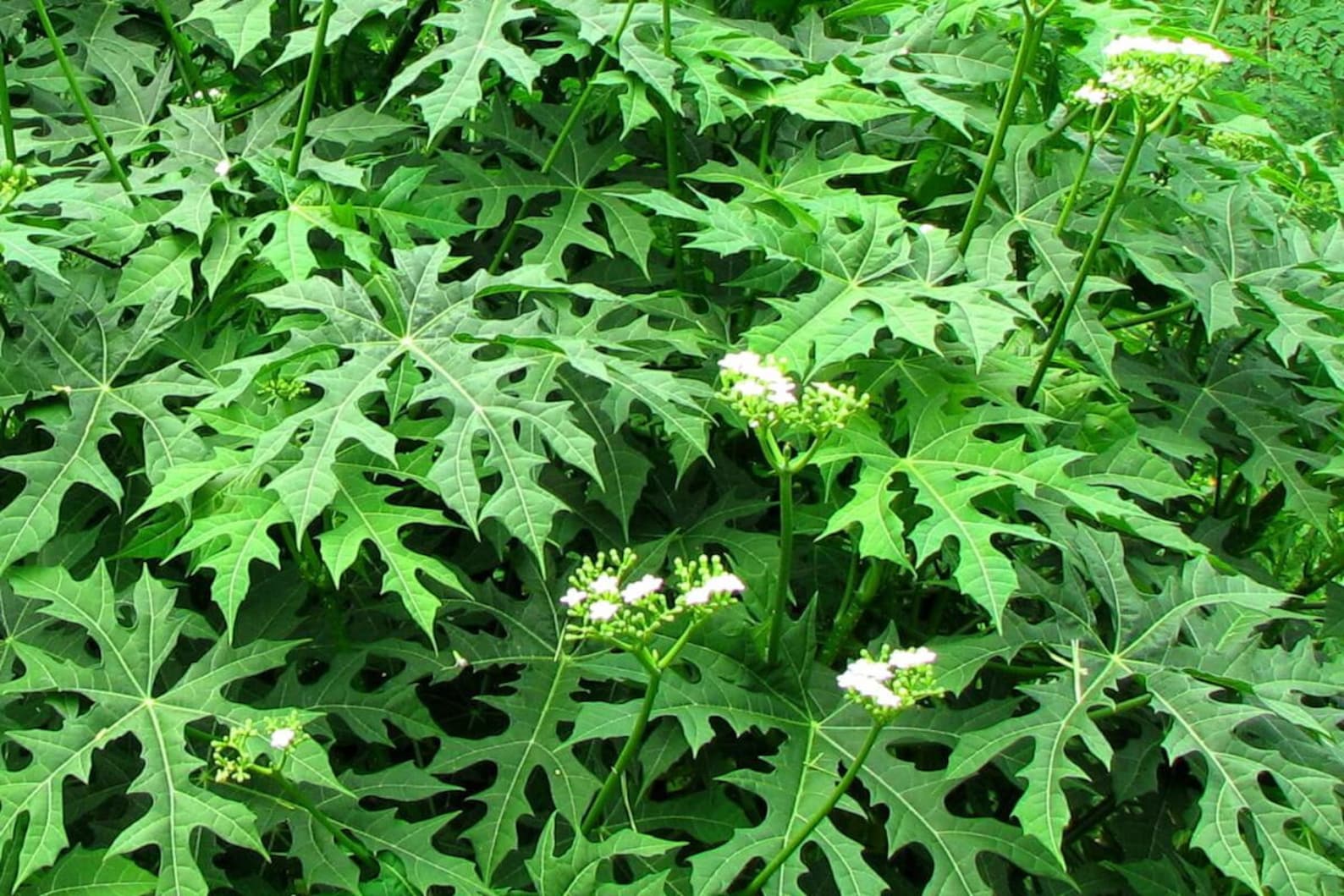
Large, maple-like lobed leaves on a woody, fast-growing shrub

Chaya (Cnidoscolus aconitifolius), commonly known as tree spinach or Mexican spinach, is a perennial leafy green native to southern Mexico and Central America. It has been cultivated for centuries as a staple vegetable due to its exceptional nutrient density, high productivity, and resilience in hot climates. Unlike many leafy greens that struggle in tropical heat, chaya thrives in warm conditions and produces edible leaves year-round.

01What Is Chaya?

Chaya (Cnidoscolus aconitifolius) is more than just another leafy green. It is a long-established food plant in tropical regions, valued for both its productivity and nutritional density.

What is chaya plant?

Chaya (Cnidoscolus aconitifolius) is a perennial shrub in the Euphorbiaceae family, which also includes cassava. It is characterized by thick, woody stems and large, palmately lobed leaves that resemble maple leaves. The plant can reach 2 to 3 meters (6 to 10 feet) in height and forms a dense, bushy structure when regularly pruned.

Is chaya the same as spinach?

Chaya is not related to true spinach (Spinacia oleracea), which belongs to the Amaranthaceae family and is a cool-season annual. The term "tree spinach" refers to its similar culinary use rather than botanical classification. Chaya is adapted to tropical climates, while spinach prefers cooler temperatures.

Can you eat chaya raw?

Chaya leaves must never be eaten raw. They contain cyanogenic glycosides, compounds that can release hydrogen cyanide when plant tissue is damaged. Cooking the leaves for at least 10 to 15 minutes effectively breaks down these compounds, making them safe to consume. This preparation method is widely documented in traditional and modern food safety guidelines.

02Nutritional Composition and Documented Health Benefits

Chaya is often described as a nutrient-dense leafy green, but its value goes beyond general claims. Its leaves contain measurable levels of essential vitamins, minerals, and plant compounds that support overall health.

What are the health benefits of chaya?

Chaya leaves are rich in essential nutrients, including vitamins A and C, calcium, iron, potassium, and dietary fiber. They also contain plant-based protein at higher levels than many leafy greens. These nutrients contribute to immune function, bone health, and overall nutritional balance.

Is chaya more nutritious than spinach?

Comparative analyses show that chaya can contain significantly higher levels of calcium, iron, and protein than spinach on a fresh weight basis. For example, chaya has been reported to contain several times more calcium and iron than spinach, making it particularly valuable in regions where nutrient deficiencies are a concern.

Quick Reference
Botanical nameCnidoscolus aconitifolius
Also known asTree spinach, Mexican spinach
FamilyEuphorbiaceae
Mature height6–10 ft
Ideal temperature20–35°C
PropagationStem cuttings

03Growing Conditions

Chaya's ability to thrive in challenging conditions is one of its strongest advantages. It is well adapted to heat, variable rainfall, and less-than-ideal soils. Understanding how climate, soil structure, and sunlight affect growth helps ensure consistent leaf production and long-term plant health.

Where does chaya grow best?

Chaya grows best in tropical and subtropical climates with temperatures between 20°C and 35°C. It is highly tolerant of heat and can survive extended dry periods once established. It does not tolerate frost and may die back if exposed to prolonged cold temperatures.

What type of soil does chaya need?

Chaya is adaptable to a wide range of soil types, including sandy, loamy, and moderately clay-rich soils, as long as drainage is adequate. While it can grow in poor soils, adding organic matter such as compost improves structure, nutrient availability, and overall plant vigor.

How much sunlight does chaya need?

Chaya performs best in full sun, which promotes faster growth and higher leaf production. It can tolerate partial shade, particularly in extremely hot environments, but reduced sunlight may slow growth.

04Growth Rate, Plant Structure, and Leaf Production

One of the reasons chaya is widely grown is its ability to produce large amounts of edible leaves over time. Its growth habit, size, and response to harvesting all influence how productive it can be in a home garden.

How fast does chaya grow?

Chaya is a fast-growing shrub under warm conditions. Once established, it produces new shoots and leaves continuously, especially during periods of active growth supported by moisture and sunlight.

How big does chaya plant get?

Mature plants typically reach 6 to 10 feet in height, with a similar spread if not pruned. The plant develops a woody base and multiple branching stems, creating a dense canopy of leaves.

How often can you harvest chaya leaves?

Leaves can be harvested regularly once the plant is established, often every few weeks. Frequent harvesting encourages new growth and helps maintain a manageable plant size.

05Propagation and Establishment Techniques

Chaya is one of the easiest edible plants to propagate, which makes it accessible for home gardeners and small-scale growers.

How do you propagate chaya?

Chaya is propagated almost exclusively through stem cuttings. Cuttings 20 to 30 cm long are planted directly into soil and root easily under warm, moist conditions. Seed propagation is rare due to limited seed production in cultivated varieties.

06Watering, Nutrient Management, and Long-Term Care

Although chaya is known for being low-maintenance, proper care improves both plant health and leaf yield.

How often should you water chaya?

During the establishment phase, regular watering is needed to encourage root development. Once established, chaya becomes drought-tolerant and requires only occasional watering. Overwatering should be avoided to prevent root issues.

Does chaya need fertilizer?

Chaya can grow without fertilizer, but nutrient supplementation improves yield. Organic inputs such as compost or well-rotted manure enhance soil fertility and support continuous leaf production.

07Safety, Toxicity, and Proper Preparation Methods

Chaya's safety profile is one of the most important aspects to understand before consumption.

Is chaya toxic?

Raw chaya contains cyanogenic glycosides, which can release toxic hydrogen cyanide. This is a natural plant defense mechanism. The toxicity is neutralized through proper cooking.

How do you cook chaya safely?

Chaya leaves should be boiled or cooked for at least 10 to 15 minutes before consumption. This process breaks down harmful compounds. It is recommended to avoid aluminum cookware, as plant compounds may react with the metal. Cooked chaya can be used in soups, stews, or sautéed dishes.

Note: Chaya leaves must never be eaten raw — cook for at least 10–15 minutes to break down the plant's natural toxic compounds.

08Is Chaya Worth Growing?

Chaya stands out as a long-term food plant that combines ease of care with consistent yield. For gardeners looking to grow their own greens in warm climates, it offers both nutritional and practical benefits.

Is chaya easy to grow?

Chaya is considered one of the easiest perennial vegetables to grow in warm climates. Its tolerance to heat, drought, and varying soil conditions makes it suitable for low-maintenance gardening.

Why should you grow chaya at home?

Chaya provides a reliable, year-round source of nutrient-rich greens with minimal input. Its perennial growth habit reduces the need for replanting, and its high productivity makes it an efficient choice for home food production systems.

Previous Post Next Post

Leave a comment

Please note, comments need to be approved before they are published.