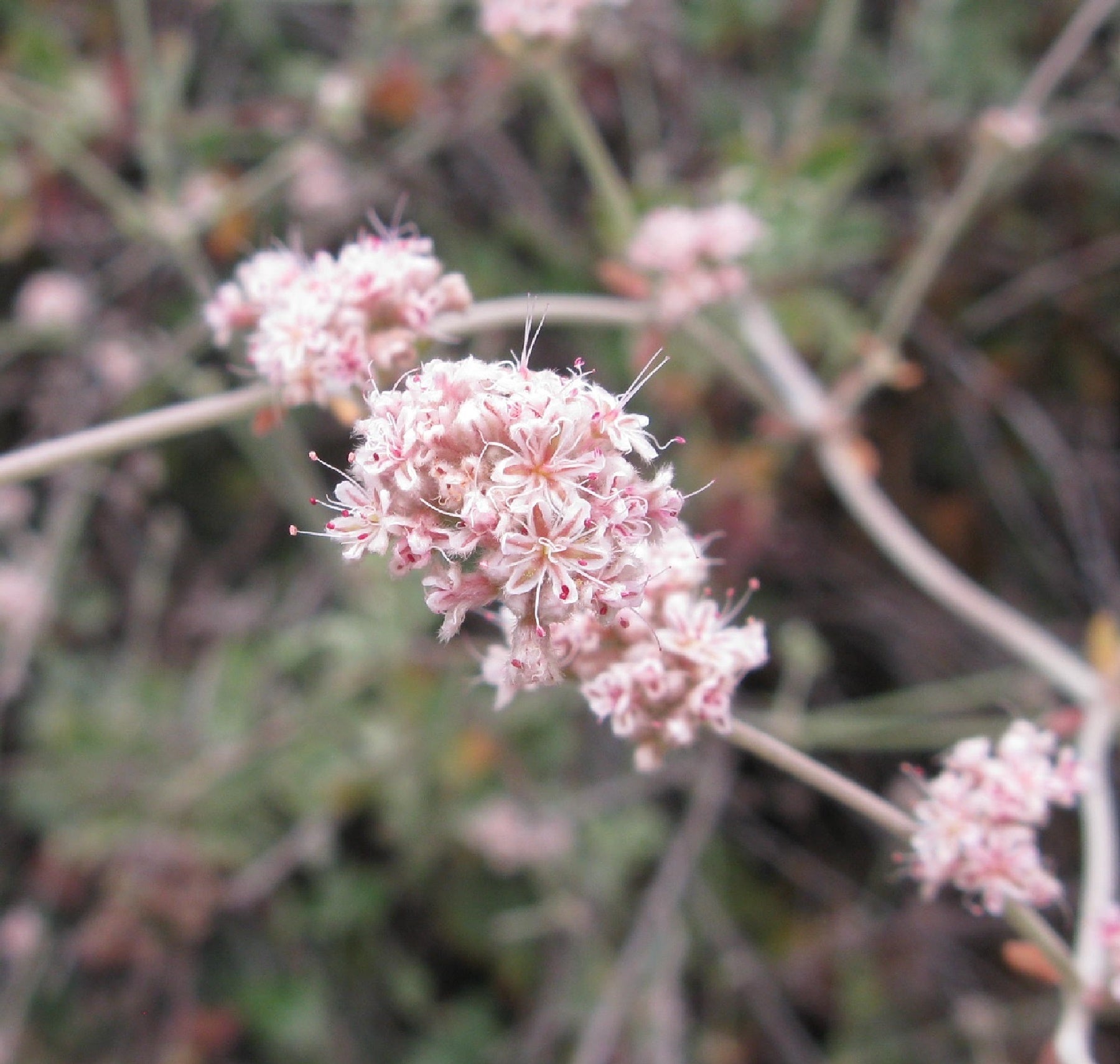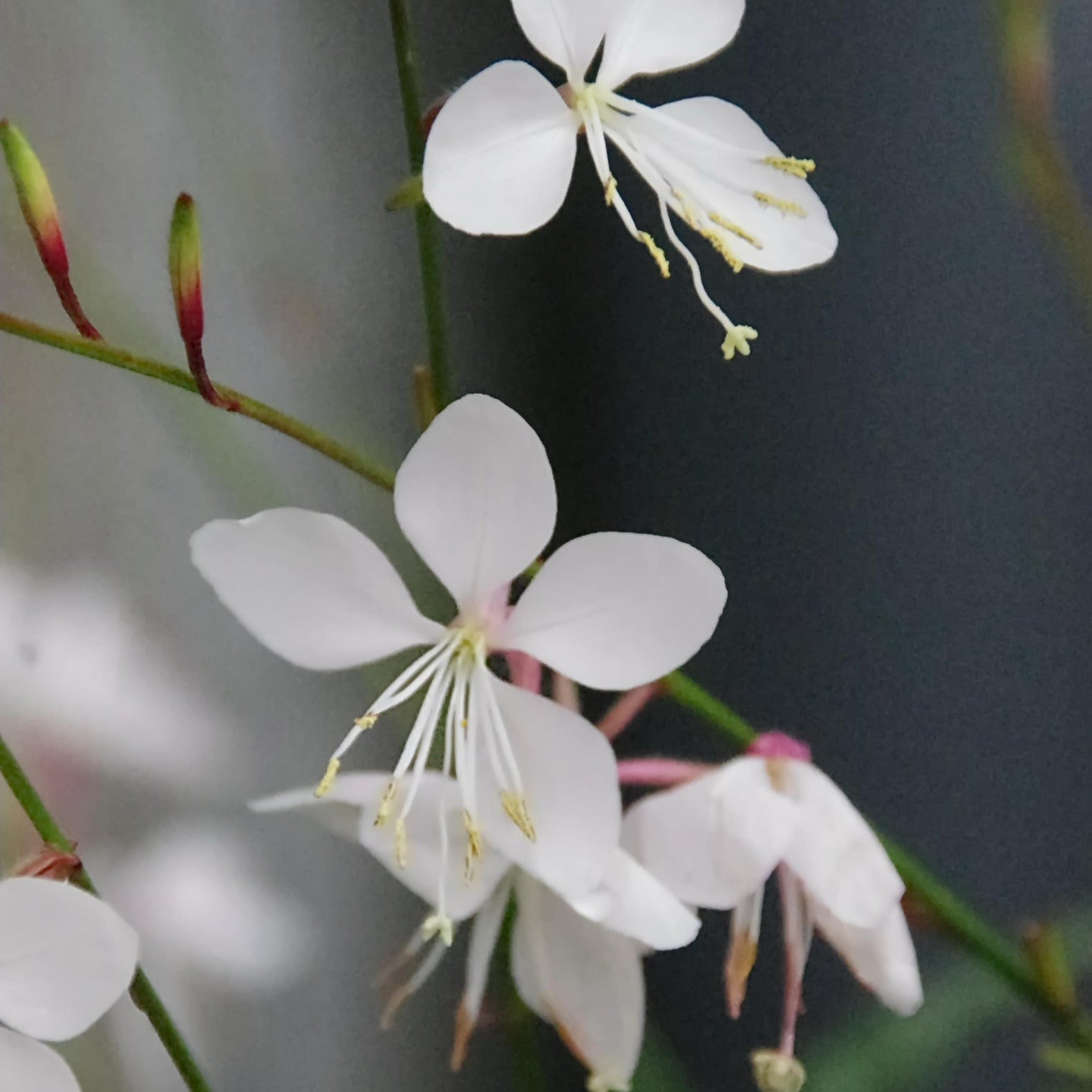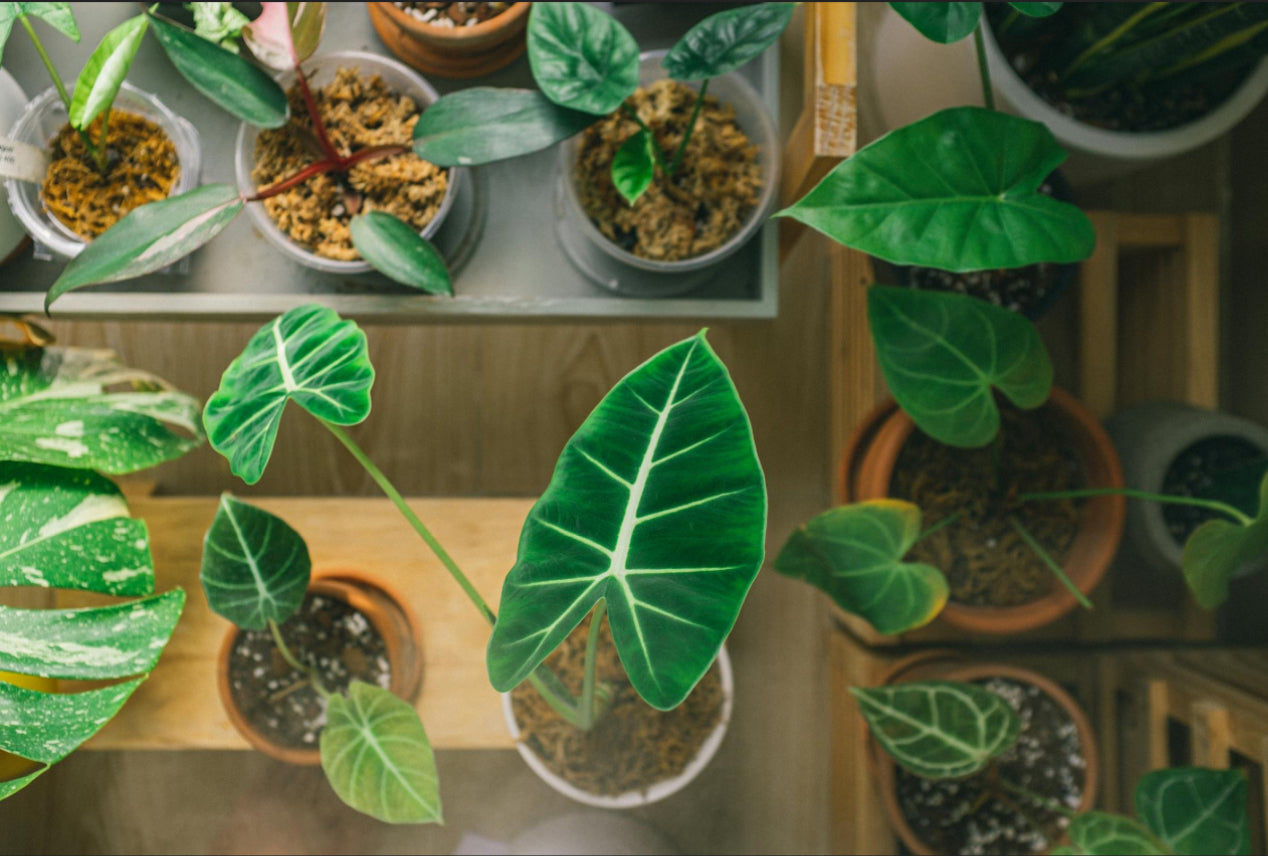



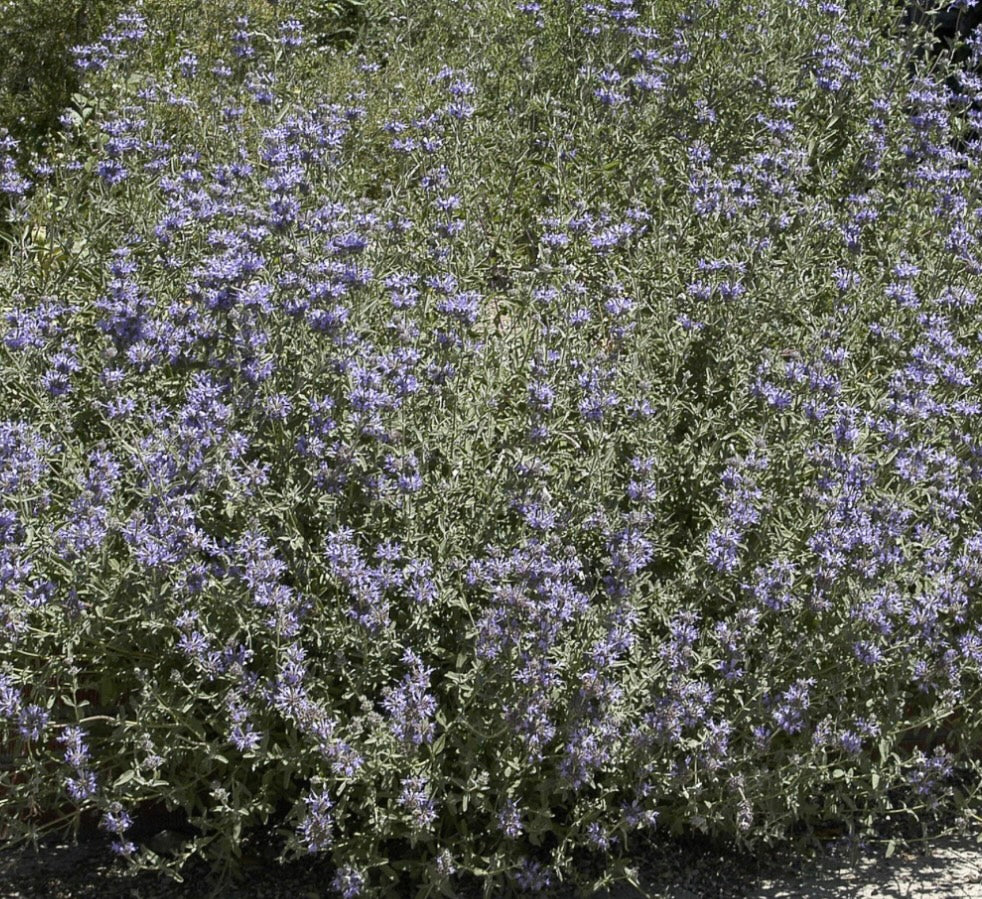
Black Sage is more than just a hardy native—it’s a cornerstone of California’s wild beauty. With silvery-green foliage and clusters of pale lavender blooms, this aromatic shrub brings both structure and scent to native landscapes.
Native Sages of California: Black Sage and Its Relatives
Black Sage (Salvia mellifera) is one of California’s most iconic native plants—rugged, fragrant, and essential to the region’s ecosystems. It thrives in coastal scrublands and chaparral, offering resilience, rich aroma, and ecological value.
What sets Black Sage apart is its ability to adapt to different elevations and soils, from coastal bluffs to inland hillsides. Compared to Cleveland Sage, Jerusalem Sage, or White Sage, it’s more drought-hardy and better suited for low-maintenance native gardens.
For gardeners working to restore or reimagine California-inspired landscapes, Black Sage brings both authenticity and biodiversity. It’s a keystone species for pollinators and a cornerstone for sustainable garden design.
Designing Pollinator-Friendly Gardens with Black Sage
If your goal is to attract life to your garden, Black Sage is a must. Its clusters of pale lavender blooms are rich in nectar, drawing bees, butterflies, and hummingbirds through spring and early summer. The plant’s long flowering season provides consistent forage for pollinators—critical in urban and suburban areas where habitat is scarce.
To create a thriving pollinator-friendly garden, plant Black Sage alongside Yellow Bush Daisy, Pineapple Guava, and Blueberries. These species offer complementary bloom times and feeding opportunities for pollinators, ensuring color and ecological activity year-round.
The result is not just a garden that looks alive—it is alive, balanced by the hum of native bees and the flutter of wings.
The Role of Black Sage in Drought-Tolerant Landscaping
In water-wise gardening, Black Sage shines as one of the most efficient, self-sustaining shrubs you can plant. Once established, it requires almost no irrigation and still produces abundant blooms and fragrant foliage.
Its deep root system stabilizes soil and prevents erosion, making it a top choice for slopes, dry hillsides, and restoration projects. When paired with other drought-tolerant plants like Yellow Bush Daisy and Pineapple Guava, you create a visually rich and resilient garden that conserves water without sacrificing vibrancy.
Black Sage proves that a sustainable landscape doesn’t have to look sparse—it can be lush, layered, and full of life.
Traditional and Modern Uses of Black Sage in Herbal Practices
Long before it became a landscape favorite, Black Sage was valued in traditional herbalism. Indigenous communities in California used its leaves in balms, teas, and aromatic infusions for muscle relief and respiratory support.
While it’s important to approach herbal uses with respect and proper research, this cultural lineage adds depth to the plant’s story. Today, many gardeners grow Black Sage not only for its beauty but also as part of a wellness-focused garden, blending tradition with modern ecological mindfulness.
Its close relatives—White Sage (used in ceremonial contexts) and Goji Berry (known for its medicinal properties)—share this bridge between botanical and cultural use, tying together wellness and landscape design.
Black Sage as a Companion Plant in Native Gardens
Black Sage is a cooperative neighbor. It pairs beautifully with other native shrubs and flowering perennials, enhancing both aesthetics and soil health.
Combine it with Cleveland Sage for layered textures and extended bloom periods, or plant near Jerusalem Sage for visual contrast between soft greens and golden hues. Its aromatic foliage helps deter certain pests, providing natural protection for more sensitive species.
By integrating multiple sages into your garden, you build a micro-ecosystem that supports pollinators, improves biodiversity, and reflects California’s natural landscapes.
Wildlife Benefits of Black Sage: Birds, Bees, and Beyond
Black Sage isn’t just a pollinator plant—it’s an entire habitat. Birds feed on its seeds, bees and butterflies rely on its nectar, and small mammals use its dense foliage for shelter.
In ecological gardens, this plant serves as a keystone species, supporting the local food web and encouraging the return of native wildlife. Planting it near fruiting shrubs like Goji Berry or Blueberries creates a self-sustaining environment where wildlife can feed, pollinate, and thrive.
Every Black Sage you grow is a small act of restoration—reconnecting your garden to the natural rhythms of its region.
Seasonal Care Guide for Black Sage Shrubs
Caring for Black Sage is simple but rewarding. In early spring, remove dead or woody stems to encourage new growth. During hot months, water sparingly—once established, it prefers dry roots. Avoid heavy pruning in summer when pollinators are most active, and do a major cutback only every few years to keep the plant compact.
Mulching helps retain moisture and prevent weeds, though be sure not to bury the crown. Over time, your Black Sage will grow more resilient, needing little more than sunlight and space to flourish.
This low-maintenance routine makes it ideal for gardeners seeking beauty with minimal upkeep.
Comparing Black Sage to White and Cleveland Sage in Native Landscaping
Each sage species has its own character, and understanding their differences helps you design with intention.
Black Sage is the most drought-tolerant and widely adaptable, ideal for dry coastal or inland settings. White Sage offers striking silvery foliage and spiritual significance but needs excellent drainage and full sun. Cleveland Sage, with its bold purple blooms and strong fragrance, thrives in slightly milder conditions and adds vibrant color contrast.
Planting multiple sages together not only extends your blooming season but also increases biodiversity. Collectively, they capture the essence of California’s native landscapes—fragrant, resilient, and teeming with life.
Final Thoughts
Black Sage is more than a native shrub—it’s a symbol of ecological beauty and cultural continuity. From pollinator-friendly design to drought-tolerant landscaping, it represents what modern gardening should be: sustainable, purposeful, and deeply connected to place.