


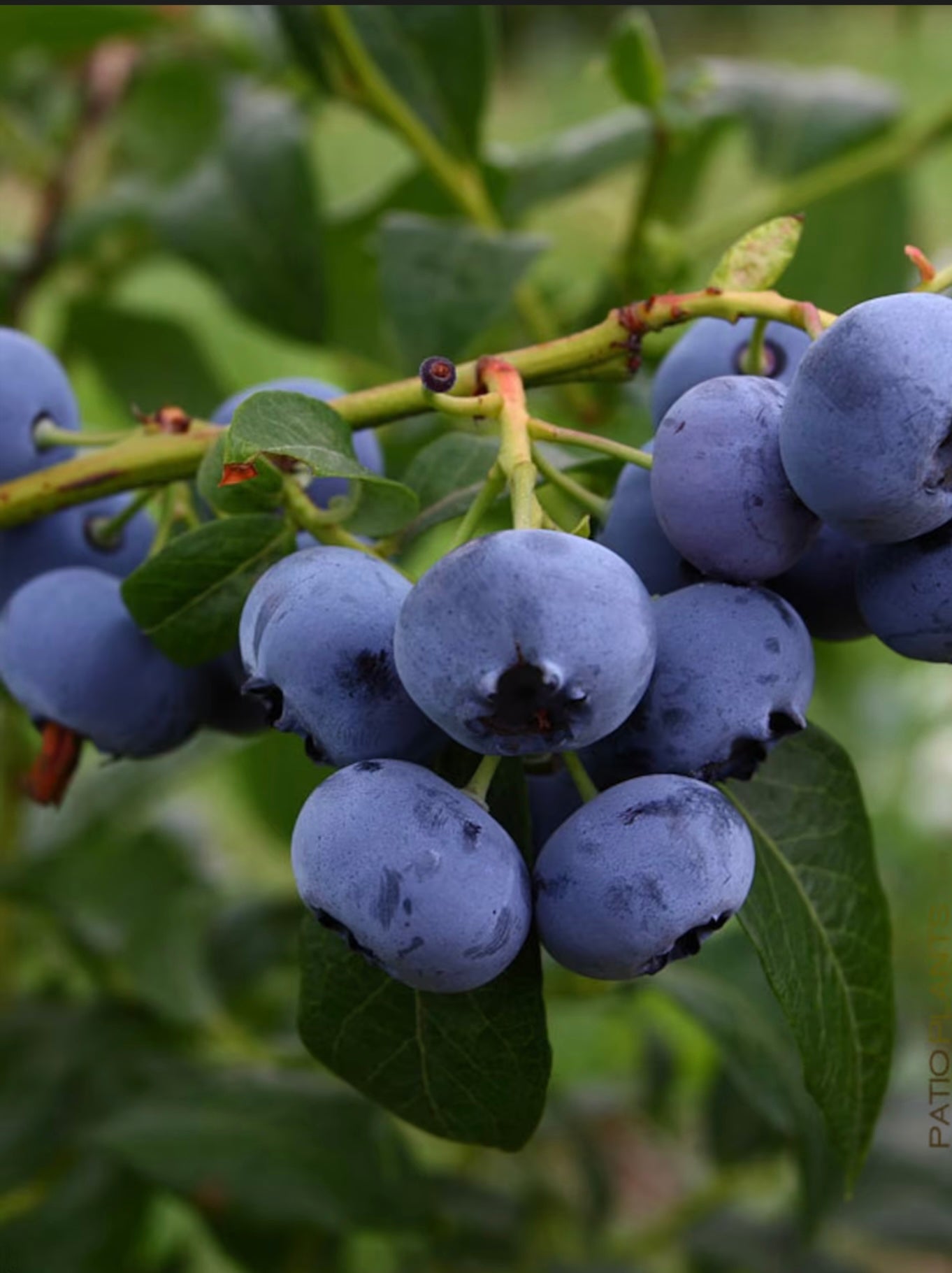
Jewel Southern Highbush Blueberries are every gardener’s treat—fast-growing, fruitful, and deliciously satisfying. Known for their plump size and bright, tangy flavor, these berries thrive in warm regions where many other varieties struggle.
Here’s what you need to know to grow and care for this rewarding blueberry variety.
The Best Climates for Growing Jewel Blueberries
Jewel Southern Highbush Blueberries were developed for areas with mild winters and warm, humid summers. They thrive in climates like the Southeastern U.S., coastal California, and other subtropical zones.
Unlike northern varieties that require long, cold winters to set fruit, Jewel only needs a short chill period to bloom well. That makes it perfect for USDA Zones 7 through 10. Give it full sun, moderate moisture, and a brief taste of cool weather, and you’ll be rewarded with vigorous growth and an early summer harvest.
Why Soil Acidity Matters for Blueberries
If blueberries have one must-have condition, it’s acidic soil. They need a pH between 4.5 and 5.5—slightly sour, much like the fruit itself. In alkaline soils, the roots can’t properly absorb nutrients, which leads to yellowing leaves and poor growth.
Before planting, enrich the soil with organic materials like pine bark, peat moss, or composted leaves. You can also add sulfur-based amendments to naturally lower the pH. Once planted, a thick layer of pine needle or shredded bark mulch keeps the acidity stable and the roots cool through the heat of summer.
Southern vs. Northern Blueberries: Which Variety Is Right for You?
Blueberries fall into two main types: Northern Highbush and Southern Highbush.
Northern Highbush varieties love cold winters and thrive in regions like the Northeast or upper Midwest. Southern Highbush varieties, like Jewel, were bred to handle heat, humidity, and shorter winters while still producing abundantly.
If you garden in a warmer or coastal climate, Jewel is your go-to. It’s more forgiving with soil and weather changes, making it a dependable choice for home gardens where northern types would struggle.

The Best Companion Plants for Blueberries
Because blueberries love acidic soil, they pair best with other acid-loving plants. Try azaleas, camellias, hydrangeas, or ferns for a harmonious mix that shares similar needs.
To boost productivity, plant pollinator favorites like lavender, echinacea, or salvia nearby. Bees are key to a heavy fruit set, and these companions help attract them. Plus, the blend of textures and blooms makes for a garden that’s as beautiful as it is bountiful.
Watering Tips to Keep Your Blueberries Healthy
Blueberries enjoy steady moisture, especially when setting and ripening fruit—but soggy soil is their enemy. The goal is consistent, deep watering without waterlogging.
Water thoroughly once or twice a week, depending on the weather, and increase during hot or windy spells. Mulch well with organic material two to three inches thick to keep the soil cool and retain moisture. Drip irrigation works wonderfully for blueberries, keeping the foliage dry and the roots evenly hydrated.
The Health Benefits of Jewel Blueberries
Beyond their garden charm, Jewel Blueberries are packed with nutrition. They’re rich in antioxidants, vitamin C, fiber, and anthocyanins—natural compounds known to support heart and brain health.
Because Jewel ripens early and stays firm after harvest, it’s perfect for snacking, baking, smoothies, or freezing. Growing your own means every berry is sun-ripened and pesticide-free. Many of our Blossomdale gardeners love turning their harvest into homemade jams or sharing fresh berries straight from the bush—it’s simple, healthy joy.
How to Deal with Pests and Problems in Blueberry Plants
Blueberries are relatively low-maintenance, but they do have a few admirers—especially birds. To protect your crop, cover the plants with lightweight netting when berries begin to ripen.
Aphids, leafrollers, and spider mites may appear from time to time. Organic sprays like neem oil or insecticidal soap keep them in check. For fungal issues such as powdery mildew or root rot, proper drainage and pruning for airflow make all the difference. Healthy, well-cared-for plants rarely face serious trouble.
Are Jewel Blueberries Good for Home or Market Growing?
Absolutely. Jewel stands out for its high yield, large fruit, and firm texture, which makes it perfect for both backyard gardeners and market growers. The berries store and transport well, maintaining their flavor and shape—something market sellers especially appreciate.
For home gardeners, Jewel adds year-round appeal with glossy green leaves that turn reddish in winter. For growers, it’s a reliable, profitable crop that combines beauty and productivity.
Final Thoughts
The Jewel Southern Highbush Blueberry brings together everything gardeners love—beauty, abundance, and easy care. Whether you’re planting a few shrubs for family harvests or building a small blueberry patch, Jewel rewards your effort with sweet fruit and dependable growth.
At Blossomdale Plant Nursery, we believe the best plants are those that make gardening both joyful and practical—and Jewel blueberries are just that.