
Skip to content
FREE SHIPPING OVER $99

Growing Zone

Find Now

Have a question?

Ask Us!

Cart
The Ultimate Guide to Growing Navajo Thornless Blackberry - Healthy Harvesters

The Ultimate Guide to Growing Navajo Thornless Blackberry

Navajo thornless blackberry is one of the most reliable blackberry varieties for home gardens.

Zones: USDA 6–10 Sun: 6–8 hrs full sun Yield: 10–15 lbs per plant
FLORICANE (FRUITS) PRIMOCANE (NEXT YEAR'S FRUIT)
Upright, self-supporting canes — floricanes fruit this year, primocanes fruit next

Developed by the University of Arkansas breeding program, this cultivar stands out for its upright growth habit, thornless canes, and sweet berries that ripen in mid to late summer. Because the plant grows upright instead of trailing along the ground, it requires less support and is easier to maintain than many other blackberry types.

Gardeners often choose Navajo blackberry plants because they are productive, adaptable, and manageable in backyard spaces. Mature plants can produce 10 to 15 pounds of fruit per season under good conditions, making them an excellent choice for fresh eating, baking, freezing, and homemade jams.

01What Is a Navajo Thornless Blackberry?

What is a Navajo thornless blackberry?

Navajo thornless blackberry is a blackberry cultivar developed by the University of Arkansas. It was introduced in 1989 and became one of the first thornless blackberries that grow upright instead of trailing.

Unlike traditional blackberry varieties that require heavy trellising, Navajo plants form self-supporting canes that grow vertically. This growth habit makes them easier to manage in home gardens and small orchards.

The berries are medium sized with a sweet flavor and firm texture. Because of their firmness, they hold their shape well for fresh eating, baking, and freezing.

Where do Navajo thornless blackberries grow best?

Navajo blackberry plants grow best in USDA hardiness zones 6 through 10, where winters provide enough chilling hours and summers are warm enough for fruit ripening.

These plants tolerate heat better than many other blackberry varieties and perform well in regions with warm summers. Gardeners in cooler climates can still grow them successfully if plants receive full sun and protection from late spring frost.

Good air circulation and sunlight are important for maintaining healthy plants and reducing disease pressure.

Are Navajo blackberry plants self pollinating?

Yes. Navajo blackberry plants are self fertile, meaning they can produce fruit without another blackberry variety nearby.

A single plant will produce berries on its own. Planting multiple bushes often increases yield because pollinators move between flowers, improving pollination and fruit set.

For home gardens, planting two to three plants usually provides enough fruit for fresh eating and preserves.

02Planting Navajo Thornless Blackberry

Proper planting is one of the most important steps in growing healthy blackberry plants. Sun exposure, spacing, and soil preparation all influence plant growth and berry production.

When is the best time to plant Navajo blackberry bushes?

The best time to plant Navajo blackberry bushes is early spring while the plants are dormant. Spring planting allows roots to establish before summer heat arrives.

In warmer climates with mild winters, planting can also be done in late fall, which allows plants to establish before the next growing season.

Bare root plants are commonly planted during dormancy, while container plants can be planted throughout the growing season as long as the soil is workable.

How far apart should Navajo blackberry plants be planted?

Navajo blackberry plants should generally be spaced three to four feet apart within rows.

Rows should be spaced six to nine feet apart to allow room for maintenance, harvesting, and air circulation.

Proper spacing reduces disease problems by improving airflow around the plants and prevents overcrowding as the canes mature.

What type of soil do Navajo blackberries need?

Navajo blackberry plants grow best in well drained soil rich in organic matter.

The ideal soil should retain moisture without becoming waterlogged. Poor drainage can lead to root problems and reduced productivity.

Before planting, many gardeners improve soil conditions by adding compost or well aged organic matter. This improves both soil fertility and structure.

Blackberries generally prefer slightly acidic soil with a pH between 5.5 and 6.5, although they can tolerate a somewhat wider range if drainage is good.

How much sun do Navajo thornless blackberry plants need?

Navajo blackberry plants perform best in full sun, which means at least six to eight hours of direct sunlight each day.

Plants grown in full sun produce larger harvests and sweeter berries. While they can tolerate partial shade, berry production usually decreases when sunlight is limited.

A sunny location with good air circulation will support strong cane growth and reduce disease risk.

Quick Reference
Introduced1989, University of Arkansas
Growth habitUpright, thornless, self-supporting
Plant spacing3–4 ft within rows
Row spacing6–9 ft apart
Soil pH5.5–6.5
Fruits in1–2 years after planting

03Care and Maintenance for Navajo Blackberry Plants

Once planted, Navajo blackberry bushes require consistent care to maintain healthy growth and high fruit production. Watering, fertilizing, and pruning are the main tasks involved.

How often should Navajo blackberry plants be watered?

Blackberry plants generally require about one inch of water per week during the growing season.

Water needs increase during flowering and fruit development. Consistent moisture helps berries grow larger and prevents fruit from becoming dry or misshapen.

Mulching around plants can help retain soil moisture and reduce weed competition.

Do Navajo thornless blackberries need fertilizer?

Yes. Blackberry plants benefit from fertilization in early spring when new growth begins.

A balanced fertilizer such as 10-10-10 or 12-12-12 is commonly recommended. Fertilizer is usually applied in a band along the row rather than directly against the plant stems.

Avoid excessive fertilization, since too much nitrogen can cause vigorous leaf growth with fewer berries.

Do Navajo blackberry plants need a trellis?

Navajo blackberries have an upright growth habit and can grow without a trellis, which makes them easier to manage than trailing blackberry varieties.

However, many gardeners still use a simple two wire trellis to keep canes organized and improve harvesting access.

Support structures also improve air circulation and help prevent fruit from touching the ground.

How do you prune Navajo thornless blackberry plants?

Blackberry plants produce fruit on second year canes called floricanes.

After these canes finish fruiting, they should be removed at ground level because they will not produce fruit again.

The new canes that grow during the season are called primocanes. These will produce the following year's crop.

Many gardeners also shorten primocanes during the growing season to encourage side branches, which increases the number of fruiting sites.

Pruning tip: Floricanes fruit once, then get cut at ground level. Primocanes are next year's crop — shortening them mid-season encourages more fruiting sites.

04Harvesting and Yield

Understanding when berries ripen and how much fruit to expect helps gardeners plan harvest schedules and food preservation.

How long does it take for Navajo blackberry plants to produce fruit?

Most Navajo blackberry plants begin producing fruit one to two years after planting.

Young plants usually produce small harvests during the first fruiting season. Production increases as plants mature and establish stronger root systems.

Full productivity often occurs by the third growing season.

How many berries does a Navajo blackberry plant produce?

A mature Navajo blackberry plant can produce 10 to 15 pounds of berries per season under favorable growing conditions.

Several plants can easily provide enough fruit for fresh eating, baking, and making jam.

Consistent pruning, watering, and fertilization help maintain high yields.

When are Navajo blackberries ready to harvest?

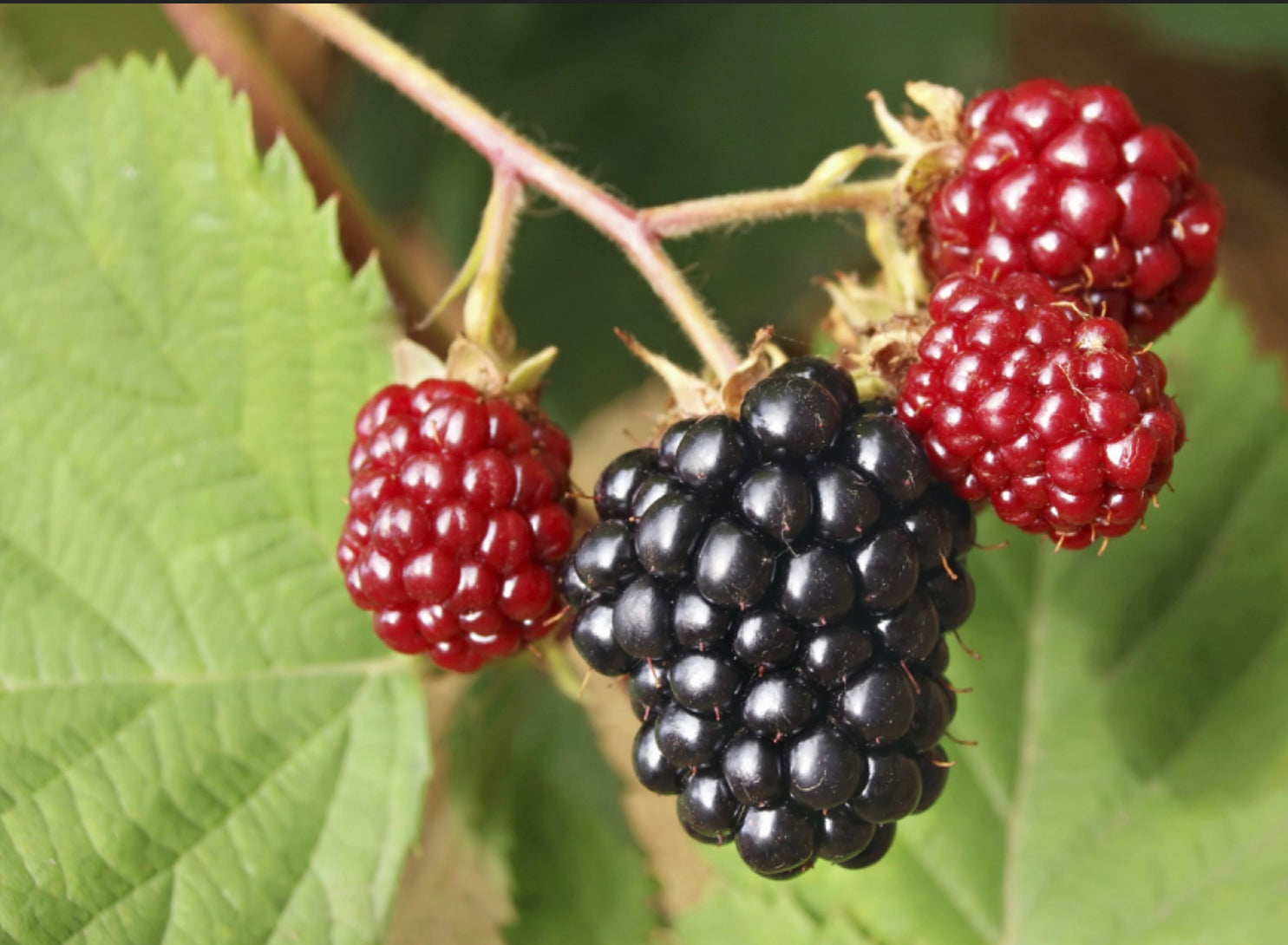
Navajo blackberries are ready to harvest when the berries turn fully black and detach easily from the plant.

Harvest season usually begins in mid to late summer, depending on the climate.

Because berries ripen gradually, harvesting should be done every few days. Regular picking encourages continued fruit production and prevents overripe berries from attracting pests.

05Common Problems Faced by Navajo Blackberries

Even though Navajo blackberry plants are known for their reliability, a few common issues can affect growth and fruit production.

Why are my Navajo blackberry plants not producing fruit?

Several factors may prevent blackberry plants from producing fruit.

Young plants often require one to two years to begin fruiting. Improper pruning can also remove the canes that would have produced berries the following year.

Other possible causes include insufficient sunlight, poor soil fertility, drought stress, or winter damage to canes.

Ensuring proper pruning and providing adequate sunlight usually resolves most fruiting problems.

Are Navajo thornless blackberries disease resistant?

Navajo blackberry plants are known for good disease resistance compared to many older blackberry varieties.

They show resistance to several common blackberry diseases such as anthracnose and double blossom. Like most blackberries, they can still be affected by issues such as orange rust or cane diseases if growing conditions are poor.

Maintaining good airflow, removing old canes, and planting in full sun helps reduce disease risk.

Growing Navajo thornless blackberry plants is a rewarding option for gardeners who want dependable fruit production with minimal maintenance. With proper planting, seasonal pruning, and consistent watering, these upright thornless bushes can produce abundant harvests for many years.

Want This in Your Own Garden?

If patience isn't part of the plan, we've got plants ready to plant today — browse the full collection.

Browse Our Bestsellers
Blossomdale  ·  Landscape Plants for Desert & Native Gardens
Previous Post Next Post

Leave a comment

Please note, comments need to be approved before they are published.