


Drought‑resistant native plants are essential for sustainable, water‑efficient gardens and landscapes. These species have evolved traits that allow them to survive with minimal supplemental water, making them ideal for xeriscaping, climate‑smart gardening, and low‑maintenance plantings. This guide covers why drought‑tolerant native plants matter, how they survive dry conditions, recommended species, and practical advice for establishment and design.
Why Choose Drought‑Resistant Native Plants?
Drought‑resistant native plants help gardeners cope with increasing water scarcity and climate variability. By selecting species adapted to local precipitation patterns and high temperatures, you can reduce irrigation needs, support ecosystems, and lower long‑term maintenance costs.
What are the best drought‑tolerant native plants for gardens?
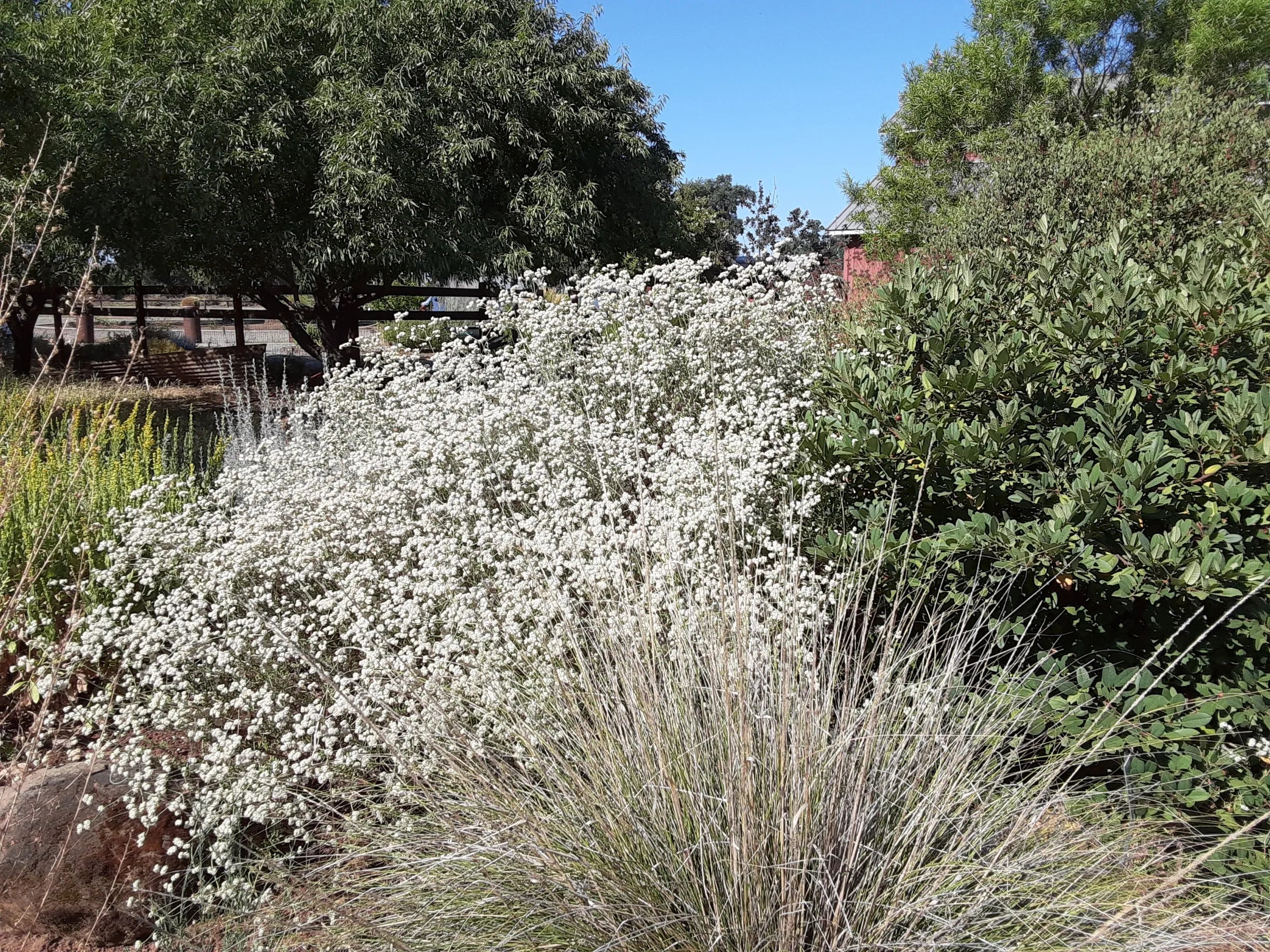
Many native species thrive with little water once established. Examples include California Buckwheat (Eriogonum fasciculatum), a deep‑rooted pollinator plant suited to arid slopes and dry habitats; Russian River Coyote Mint (Monardella villosa), which attracts butterflies and bees; and White Sage (Salvia apiana), a classic drought‑tolerant shrub for water‑wise landscapes.
Which native plants need the least amount of water?
Plants with extensive root systems or low, woody growth like Eriogonum fasciculatum and Manzanita (Arctostaphylos ‘Emerald Carpet’) have minimal water needs once roots are established, making them excellent choices for dry climates.
Are all native plants drought resistant?
Not all native plants tolerate drought equally. Resistance depends on the species’ evolutionary history with moisture availability in its native range. Desert or Mediterranean natives tend to be most drought‑tolerant, while plants from wetter habitats may still require supplemental water. Ecological guides and plant databases can help you determine drought tolerance by region.
How to grow drought‑tolerant native plants successfully?
Start with species chosen for your USDA hardiness zone and soil type. Provide consistent water during the first growing season to establish roots, then taper irrigation. Use mulch to reduce evaporation and prevent soil moisture loss.
Which water‑wise native plants thrive in dry climates?
Mediterranean and southwestern native shrubs, grasses, and perennials such as Monardella villosa, White Sage, Eriogonum fasciculatum, and drought‑adapted Salvia species are dependable performers in warm, dry gardens.
How Native Plants Adapt to Drought
Native plants survive drought through a suite of physiological and structural adaptations. Their survival mechanisms include deep or fibrous root systems that access subsoil moisture, reduced leaf area to limit water loss, thick or waxy leaf coatings, and the ability to enter dormancy during extreme dryness.
How do I choose drought‑resistant native plants for landscaping?
Select plants proven in low‑water conditions for your climate and soil type by consulting native plant databases and regional lists. Look for traits like low water requirements, heat tolerance, and proven performance in xeriscapes.
What native grasses are drought tolerant?
Certain North American bunchgrasses like sprucetop grama (Bouteloua chondrosioides) are naturally drought tolerant once established. Their extensive root systems help extract moisture deep in the soil.
Which drought‑resistant shrubs are native to my region?
Shrubs such as Arizona chaparral species and California natives like Arctostaphylos Emerald Carpet Manzanita are excellent drought‑adapted choices for dry landscapes.
Top Drought‑Resistant Native Plants to Consider
This section highlights drought‑tolerant native plants with strong landscape performance. Many provide ecological benefits, attract pollinators, and are suited to water‑wise design.
What drought‑resistant native flowers attract wildlife?
Native perennials like purple Verbena (Verbena lilacina ‘De La Mina’) and pollinator‑friendly mint family plants such as Monardella villosa draw bees, butterflies, and hummingbirds while handling dry conditions well.
What native plants are best for xeriscaping?
Shrubs like Cleveland Sage (Salvia clevelandii) and evergreen groundcover manzanita (Arctostaphylos ‘Emerald Carpet’) have low water needs and strong drought resilience, making them staples of xeriscape design.
What are drought‑resistant native plants for full sun?
White Sage (Salvia apiana) and Russian River Coyote Mint (Monardella villosa) excel in full sun and dry soil once settled. These species perform best with well‑drained soil and minimal irrigation after establishment.
What are drought‑resistant native plants for shade?
While many drought‑adapted natives prefer sun, some species such as drought‑tolerant woodland understory natives or shade‑adapted grasses can handle lower light with reduced water needs. Regional native plant guides can help narrow choices for shaded contexts.
Establishing Native Plants in Dry Conditions: Best Practices
Successful establishment of drought‑resistant natives involves careful early‑stage hydration and soil preparation. Water deeply but infrequently during the first year to encourage deep root growth. After roots reach deeper layers, reduce watering frequency to match seasonal rainfall patterns.
Do drought‑tolerant native plants require supplemental watering?
Yes, during the first growing season, supplemental watering supports root system development. After roots are established, most droughttolerant natives thrive with little to no extra irrigation, especially in climates similar to their native range.
Xeriscaping with Native Plants: Design Tips & Layouts
Xeriscaping uses drought‑resistant plants paired with smart design to conserve water and create beautiful landscapes. Group plants with similar water needs together, orient beds to maximize shade or sun exposure based on plant preference, and use mulches or gravel to reduce surface evaporation.
Where can I find a list of drought‑tolerant native plants?
Regional native plant societies, university extension resources, and specialized nurseries like Blossomdale offer curated lists and plant details to help you plan drought‑wise gardens.
Maintenance in Drought Years: What to Do When the Rain Stops
Maintenance during drought years focuses on reducing stress, preventing die‑back, and prioritizing deep root health. Light mulching, limited supplemental deep water, and timely pruning to remove dead wood help drought‑resistant plants maintain vigor.
Native Plant Alternatives vs. Exotic Drought Tolerant Plants: Pros & Cons
Many exotic species (e.g., Mediterranean herbs like lavender or rosemary) tolerate drought. However, native plants support local ecosystems, pollinators, and soil biology more effectively than most exotics, which may lack ecological value despite similar water requirements.
Common Challenges & How to Mitigate Them
Drought stress can coincide with heat waves, pests, or soil compaction. Provide shade during peak heat, ensure well‑drained soil, and allow plants to go dormant naturally during extended dry spells. Supplemental deep watering before peak drought can preserve plant health without encouraging shallow root growth.