


The Little John Dwarf Bottlebrush (Callistemon ‘Little John’) delivers bright crimson blooms, lush green foliage, and a magnet for bees and birds—all in a compact, easy-to-manage size. Perfect for borders, containers, or cozy garden corners, this dwarf bottlebrush adds color, life, and charm without taking over. In this guide, we’ll cover how to grow, care for, and enjoy Little John Bottlebrush year-round, so your garden stays vibrant and buzzing.
Botanical Profile of Callistemon ‘Little John’
The Little John Dwarf Bottlebrush (Callistemon ‘Little John’) is a compact ornamental shrub prized for its vibrant crimson flowers and versatility in gardens. Understanding what Little John Bottlebrush looks like helps gardeners identify this unique plant.
What is Little John Dwarf Bottlebrush (Callistemon ‘Little John’)?
This dwarf cultivar is smaller than standard bottlebrush varieties, making it ideal for borders, hedges, or containers. Its dense, bushy foliage and bright flower spikes attract birds and bees.
What does Little John Bottlebrush look like?
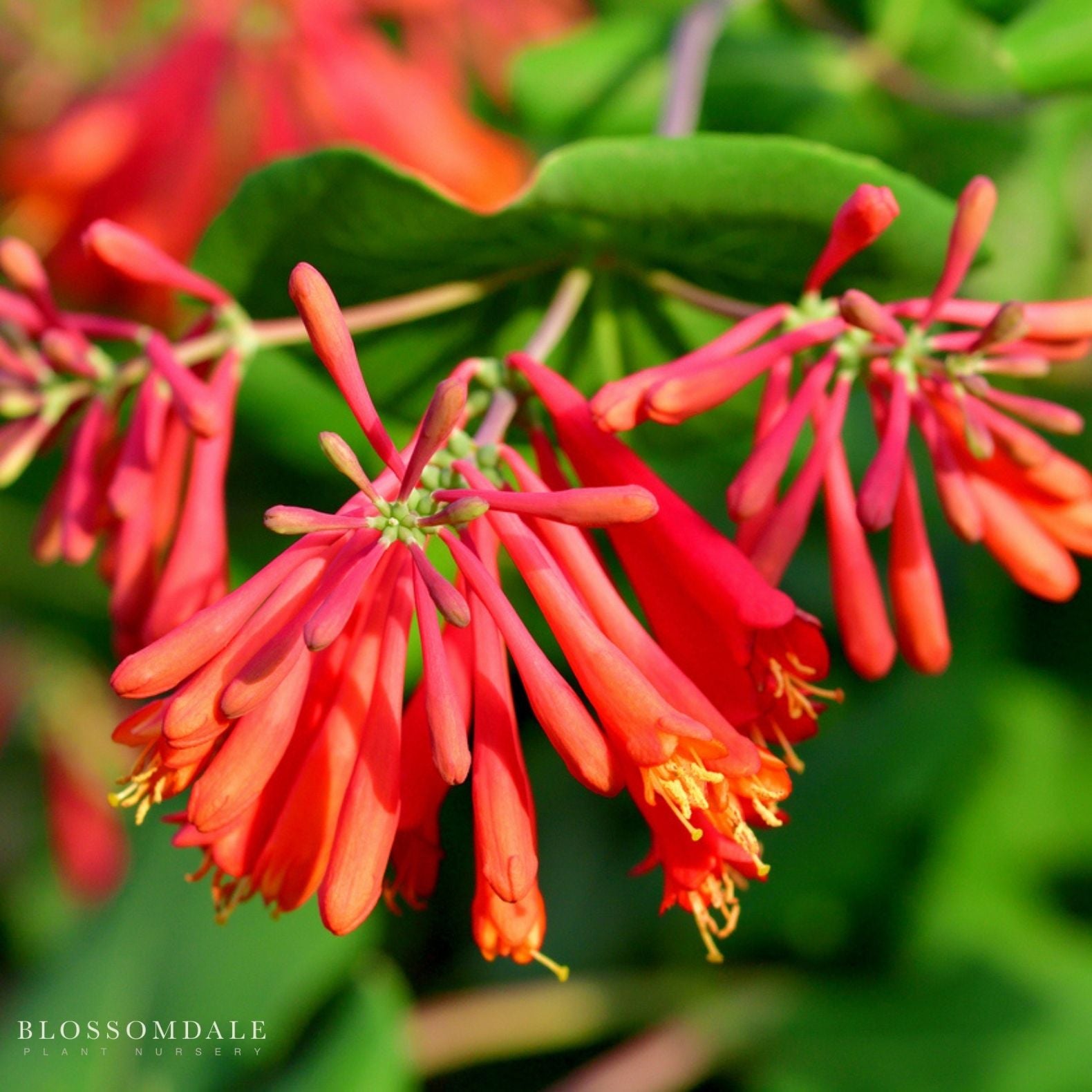
The plant features dark green, narrow leaves and striking crimson cylindrical flower spikes. Its compact size and bushy growth habit make it perfect for small gardens.
How big does Little John Dwarf Bottlebrush grow?
This cultivar typically grows 0.6–1.2 meters tall with a similar spread, providing vibrant color without overwhelming small spaces.
Optimal Growing Conditions for Little John Bottlebrush
What are the light and soil requirements for Little John Bottlebrush?
Plant in full sun with well-drained soil. Sandy or loamy soils with moderate fertility are ideal. Poor drainage may lead to root issues.
Can Little John Bottlebrush tolerate frost or cold climates?
It prefers temperate to subtropical regions. Frost protection or container cultivation is recommended in colder climates.
Propagation and Planting Techniques
How do you grow Little John Dwarf Bottlebrush?
To grow Callistemon, plant seeds or nursery seedlings in well-drained soil with consistent sunlight and warmth.
How to propagate Callistemon?
Callistemon can be propagated either from seeds or cuttings. To propagate from cuttings, take semi-hardwood cuttings 10–15 cm long, remove the lower leaves, dip the cut end in rooting hormone, and plant in a sandy, well-draining medium. Keep the soil consistently moist until roots develop.
Can Little John Bottlebrush be grown in containers?
Yes, its dwarf size is ideal for container gardening, giving flexibility for patios, small gardens, or colder climates.
Pruning, Shaping, and Growth Management
How do you prune Little John Dwarf Bottlebrush?
Light pruning after flowering maintains shape, encourages bushy growth, and removes dead or crossing branches.
When to prune Callistemon?
The best time is after flowering, typically late spring or early summer, to avoid cutting off buds for the next season.
When do Callistemon flower?
Little John Bottlebrush blooms mainly in spring and summer, though warm climates may produce sporadic flowers throughout the year.
Does Little John Bottlebrush attract pollinators?
Yes, its bright red flower spikes attract bees, birds, and butterflies, enhancing garden biodiversity.
Watering, Drought Tolerance, and General Care
How often should you water Little John Dwarf Bottlebrush?
Water young plants regularly. Established shrubs tolerate drought but thrive with occasional deep watering.
Is Little John Bottlebrush drought-tolerant?
Yes, once established, it tolerates dry periods, making it suitable for low-maintenance gardens.
What pests or diseases affect Little John Dwarf Bottlebrush?
Common pests include scale insects and aphids, while root rot may occur in poorly drained soils. Regular pruning and inspection keep plants healthy.
Landscape and Decorative Uses
How do you care for Little John Dwarf Bottlebrush in a landscape?
Plant in sunny borders, mass plantings, or containers. Fertilize lightly with low-phosphorus fertilizer, prune after flowering, and water during dry periods.
What are the best uses for Little John Bottlebrush in garden design?
Its compact size, vibrant flowers, and pollinator-friendly nature make it ideal for hedges, borders, small gardens, and container displays.