



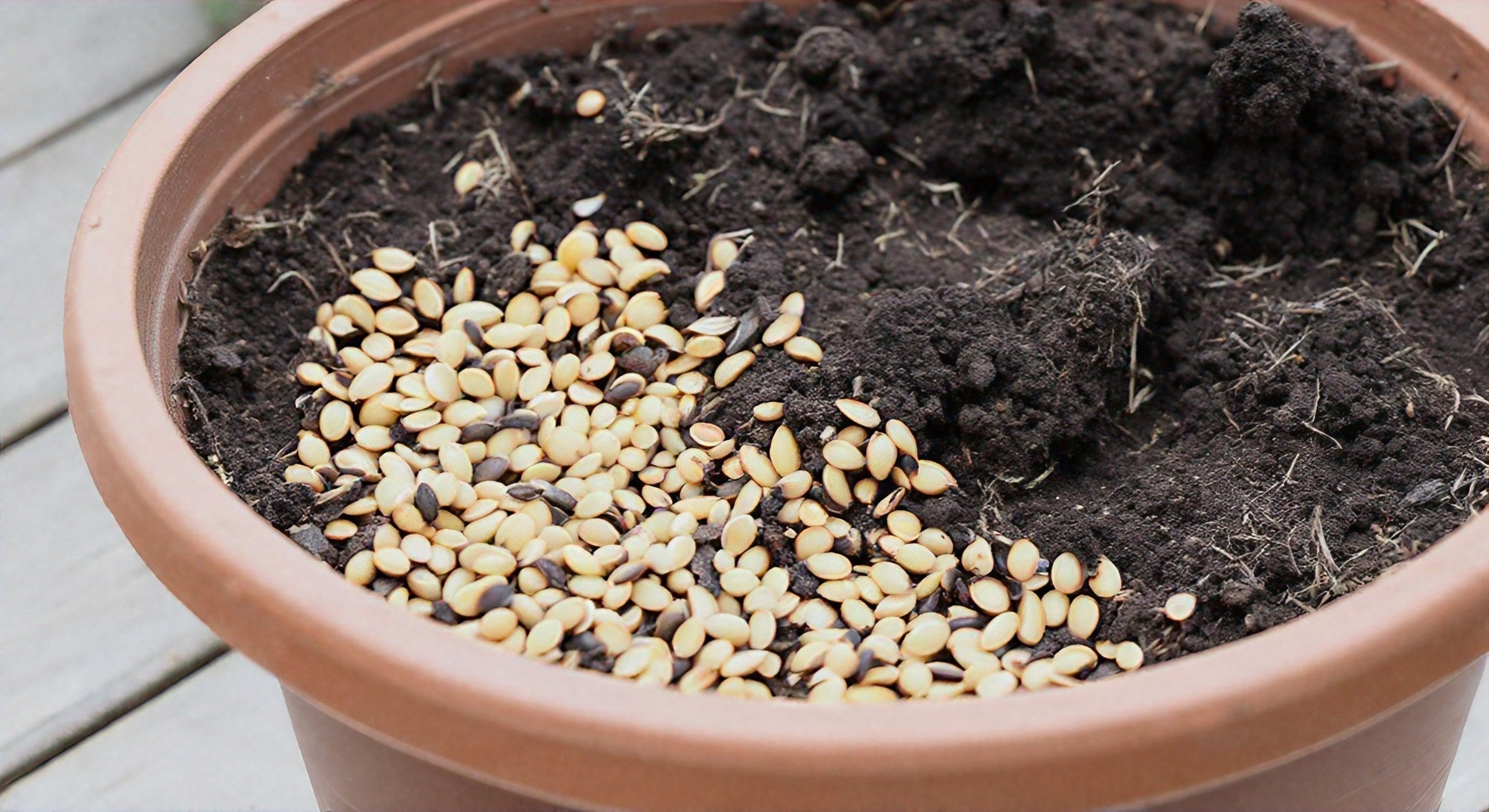
The creosote bush, scientifically known as Larrea tridentata, is one of the most recognizable plants of North American deserts.
It dominates large areas of the Mojave, Sonoran, and Chihuahuan deserts and thrives in harsh conditions with intense sun, minimal rainfall, and sandy soils. The plant produces bright yellow flowers that develop into fuzzy seed capsules, which can be harvested and planted to grow new creosote shrubs.
Growing creosote bush from seed requires patience. Germination rates are naturally low because the species evolved to sprout only under specific desert conditions after rainfall. Proper seed collection, storage, and planting methods improve success and help mimic the plant's natural environment.
01Identifying Creosote Bush Seeds and Seed Pods
Creosote bush seeds develop shortly after flowering. Recognizing the plant's seed pods and understanding when they mature is the first step in harvesting viable seeds.
What do creosote bush seeds look like?
Creosote bush seeds are contained inside small, fuzzy fruit capsules that form after the plant's yellow flowers fade. Each fruit typically divides into five segments, and each segment usually contains one seed.
The capsule has a hairy or woolly texture and becomes brown or reddish as it dries. When the fruit matures, the segments separate and release the seeds. Gardeners often collect the whole capsule and separate the seeds later.
When does the creosote bush produce seeds?
Creosote bush produces flowers and seeds after rainfall events. In many desert regions, flowering happens during spring, though additional blooms may occur following summer monsoon rains.
Seed capsules develop within a few weeks after flowering. Mature fruits are often visible by late spring in areas where spring rainfall triggered the bloom.
How can you tell when creosote bush seed pods are ready to harvest?
Mature seed capsules begin to dry and split into segments. At this stage, the pods feel brittle and start opening along their natural seams.
02Harvesting Creosote Bush Seeds in the Wild
Collecting seeds properly preserves their viability and protects native plant populations. Creosote bush seeds are commonly harvested for desert restoration and native landscaping projects.
How do you harvest creosote bush seeds?
Seeds are usually harvested by hand when the capsules begin to dry and split. The pods can be gently removed from the plant and placed in a paper bag or breathable container.
After collection, allow the pods to dry further at room temperature. Once fully dry, the capsules can be broken apart to release the seeds.
When is the best time to harvest creosote bush seeds?
The best time to harvest creosote bush seeds is shortly after the seed capsules mature and begin to open. In many desert regions this occurs in late spring, though timing varies depending on rainfall patterns.
Harvesting slightly before the capsules fully split prevents the seeds from dispersing naturally.
Can creosote bush seeds be collected from wild plants?
Yes. Seeds are often collected from wild creosote bushes for propagation. Responsible collection practices help maintain healthy natural populations.
Recommended practices include:
- Collecting only a small portion of seeds from each plant
- Gathering seeds from several plants rather than one shrub
- Avoiding protected habitats where collection is restricted
These guidelines support sustainable seed harvesting.
03Preparing Creosote Bush Seeds for Germination
Creosote bush seeds often germinate slowly because the species evolved to sprout after specific environmental triggers such as rainfall and warm soil temperatures.
Do creosote bush seeds need pretreatment before planting?
Pretreatment can sometimes improve germination rates. Techniques such as light scarification or soaking help soften the seed coat and allow moisture to penetrate.
Even with pretreatment, germination rates may remain inconsistent because creosote bush seeds naturally germinate under narrow environmental conditions.
Should creosote bush seeds be soaked before planting?
Many growers soak creosote bush seeds in warm water overnight before planting. This process softens the seed coat and may help initiate germination.
Some growers use hot water that cools gradually during soaking. This method mimics the natural effect of warm desert rain on seeds.
How should creosote bush seeds be stored before planting?
After harvesting, seeds should be dried thoroughly and stored in cool, dry conditions. Airtight containers kept in a refrigerator can help maintain seed viability until planting time.
Dry storage prevents mold growth and protects seeds from premature deterioration.
04Planting Creosote Bush Seeds Successfully
Creosote bush grows best in soil conditions similar to those found in desert environments. Replicating these conditions improves germination and seedling survival.
How do you plant creosote bush seeds?
Seeds are typically planted in shallow containers filled with sandy, well-drained soil. The seeds should be placed on the soil surface or lightly covered with a thin layer of sand.
Light watering keeps the soil slightly moist during the early stages of germination.
What type of soil is best for creosote bush seeds?
Creosote bush grows naturally in sandy or gravelly soils with excellent drainage. Desert soils with low organic matter closely match the plant's natural habitat.
Potting mixes for desert plants often combine sand, small gravel, and minimal compost to replicate these conditions.
How deep should creosote bush seeds be planted?
Creosote bush seeds should be planted very shallowly. Many growers sow the seeds directly on the soil surface or cover them with less than one centimeter of sand.
Shallow planting allows seedlings to emerge easily while still protecting the seeds from drying out.
05Germination and Early Growth of Creosote Bush
Creosote bush seedlings grow slowly during the early stages. Proper environmental conditions help young plants establish successfully.
How long do creosote bush seeds take to germinate?
Germination may occur within two to four weeks under favorable conditions. Warm temperatures and light moisture improve the chances of successful sprouting.
However, germination rates are often low, and some seeds may take longer to sprout.
Why are creosote bush seeds difficult to germinate?
Creosote bush evolved in desert ecosystems where rainfall is unpredictable. Seeds often remain dormant until environmental conditions signal that enough moisture is available for survival.
This dormancy helps ensure seedlings emerge only during periods when rainfall supports early growth.
How do you care for creosote bush seedlings after germination?
Seedlings should receive bright sunlight and minimal watering. Excess moisture can damage young roots, so soil should dry between watering sessions.
As seedlings mature, they gradually develop the drought tolerance that characterizes mature creosote plants.
Looking to Add Something to Your Landscape?
If patience isn't part of the plan, we've got plants ready to plant today — browse the full collection.
Browse Landscape Plants





1 comment
Thank you for the information! How do you suggest we remove the hull? What methods have you found helpful? Thanks!