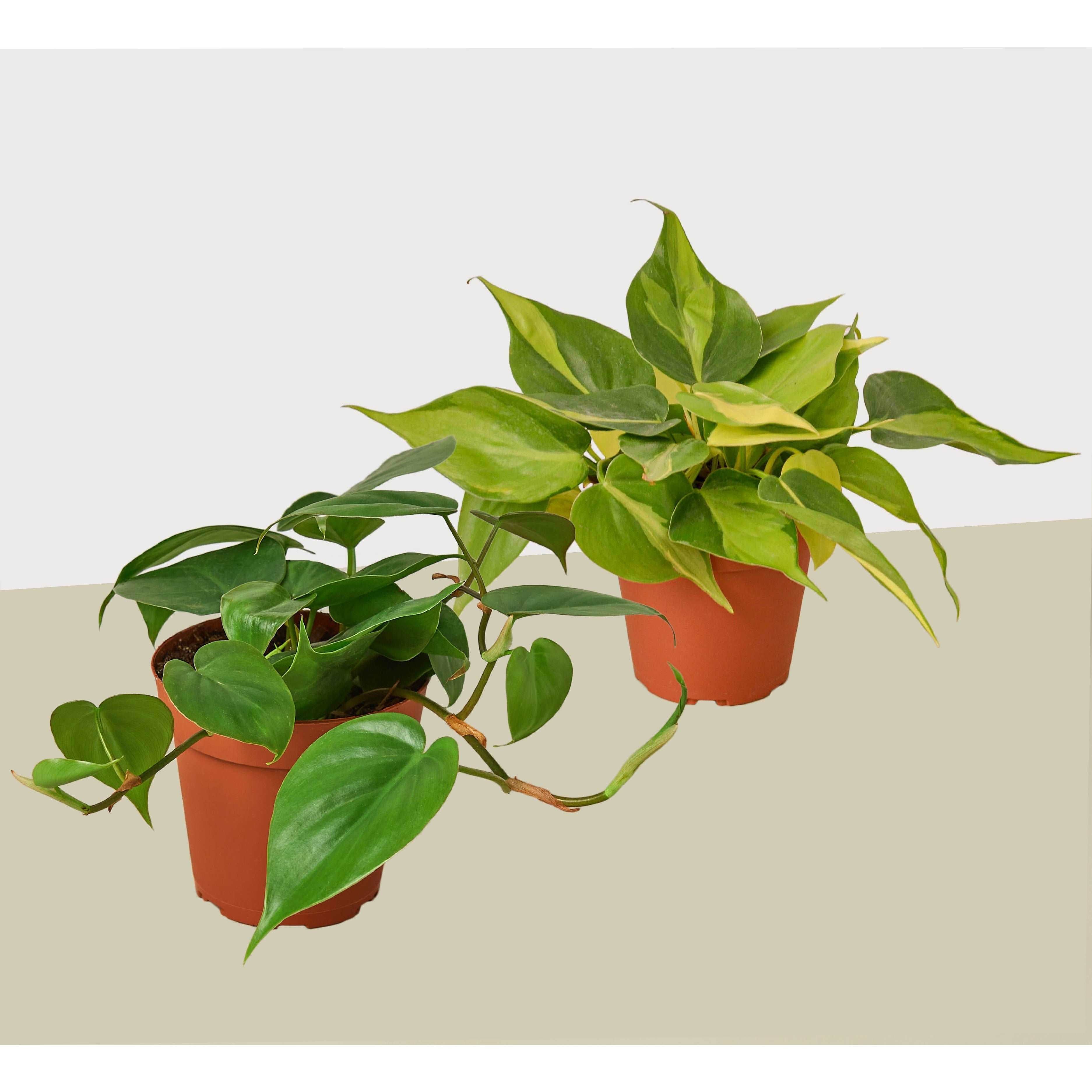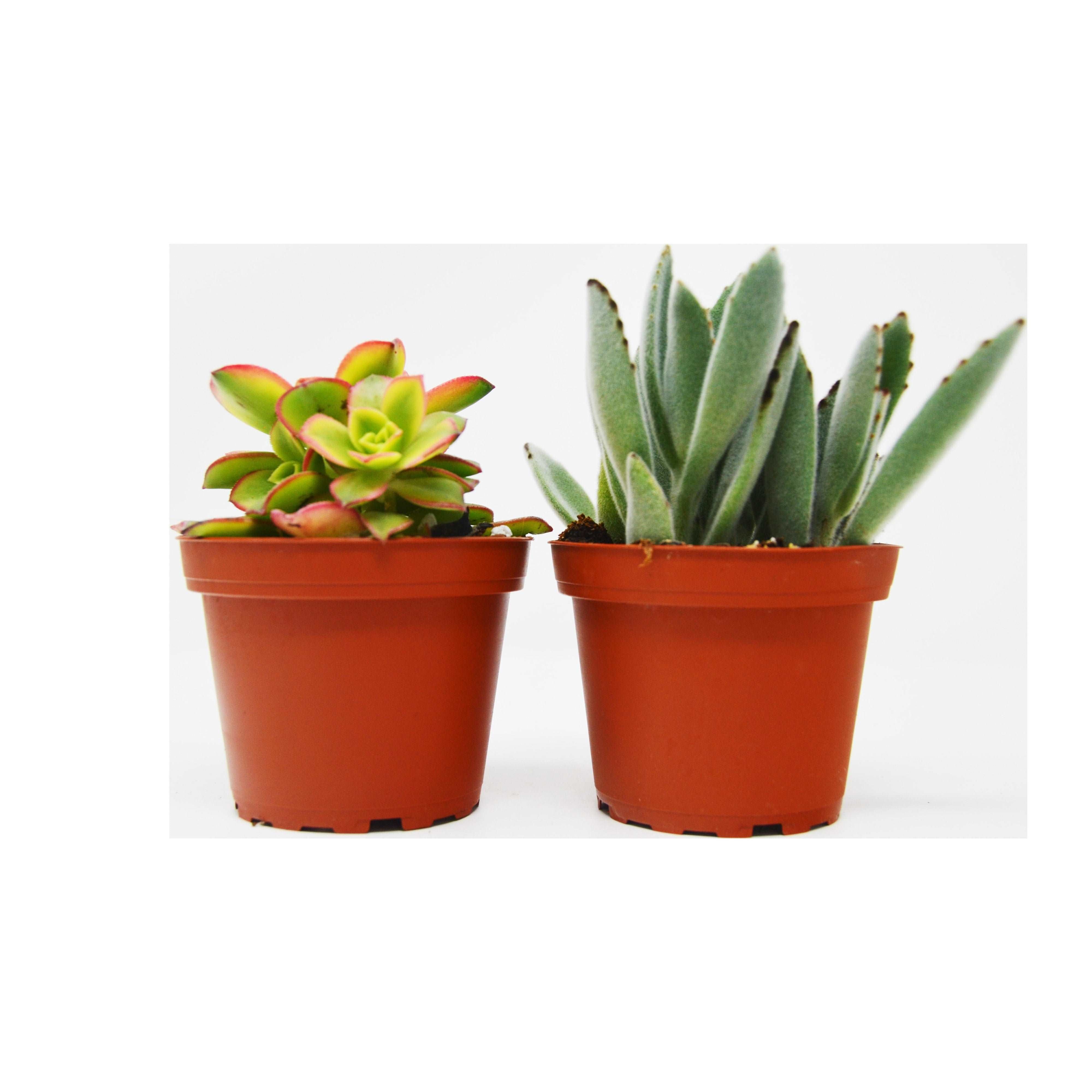



Pygmy date palm (Phoenix roebelenii) is a small, elegant palm that brings a tropical touch to indoor and outdoor spaces. Its slow growth, feathery fronds, and manageable size make it ideal for patios, small gardens, and containers. With consistent care, it can thrive for decades, providing lush greenery and a low-maintenance focal point.
Pygmy Date Palm vs Other Dwarf Palms: Which Works for Your Space
What makes pygmy date palms unique?
Pygmy date palms are slender, slow-growing, and have fine, arching fronds. Unlike sago palms, which are toxic to pets, or lady palms, which can grow taller faster, pygmy date palms offer a compact, pet-friendly option with delicate texture.
How fast does a pygmy date palm grow?
Growth is gradual—typically about 6–12 inches per year—reaching 6–10 feet outdoors over several years. This slow growth makes them ideal for small gardens or container displays without frequent pruning.
How do they compare to other dwarf palms in maintenance and light needs?
They are relatively low-maintenance. Pygmy date palms tolerate bright, indirect light and some filtered sun, whereas other dwarf palms may need full sun or more careful pruning. Their moderate water needs and slow growth reduce ongoing care.


Container Growing/Pot Care for Pygmy Date Palms
Can pygmy date palms grow in containers?
Yes. Use large containers with drainage holes and a well-draining potting mix, such as a blend of peat, sand, and compost. Container palms need consistent watering, occasional fertilization, and careful attention to avoid waterlogged roots.
How do you plant pygmy date palms outdoors?
Plant in full sun to partial shade. Space 3–4 feet apart to allow room for root expansion. Adding organic matter or compost improves soil fertility, encourages strong frond growth, and helps retain moisture. Mulching also reduces weeds and conserves water.
Light and Water Requirements
How much sunlight does a pygmy date palm need?
Bright, indirect light is ideal. Too much direct sun can scorch fronds, turning tips brown, while insufficient light slows growth and reduces frond density. For container palms indoors, place near bright windows but away from direct afternoon sun.
How often should you water a pygmy date palm?
Water young palms regularly to establish roots, keeping soil evenly moist but not soggy. Mature palms are moderately drought-tolerant and respond best to deep watering 1–2 times per week in summer. Reduce watering in winter when growth slows.
Nutrition and Maintenance
What nutrients do pygmy date palms need?
Key nutrients include potassium, magnesium, and trace elements. Nitrogen deficiency shows as yellowing fronds, while potassium deficiency causes brown tips. A slow-release palm fertilizer every 6–8 weeks during growing season supports healthy foliage.
How do you prune and maintain pygmy date palms?
Prune only dead or damaged fronds to maintain shape and prevent disease. Regularly inspect for pests like scale insects, spider mites, or mealybugs, treating with horticultural oil or insecticidal soap. Keep leaves clean of dust to improve photosynthesis and plant health.
Winter Care and Cold Protection
Are pygmy date palms cold-hardy?
They are sensitive to frost below 30°F. For outdoor palms, use frost blankets or mulch to protect roots. Container palms should be brought indoors in colder climates. Gradually reintroduce palms to outdoor sunlight in spring to prevent shock.
Safety and Family-Friendly Use
Are pygmy date palms safe for pets and children?
Yes, they are generally non-toxic. However, fertilizers and soil additives should be kept out of reach of children and pets. Their fronds are soft, making them safe for handling during pruning or repositioning.