


The Velvet Leaf Elephant Ear Plant (Alocasia odora) is one of those rare finds that instantly transforms a space. With its soft, velvety texture and bold, tropical form, it gives any room or garden a lush, architectural feel. This plant combines elegance and strength, making it a favorite among both seasoned gardeners and those curating thoughtful indoor houseplant collections.
What Makes the Velvet Leaf Elephant Ear Unique?
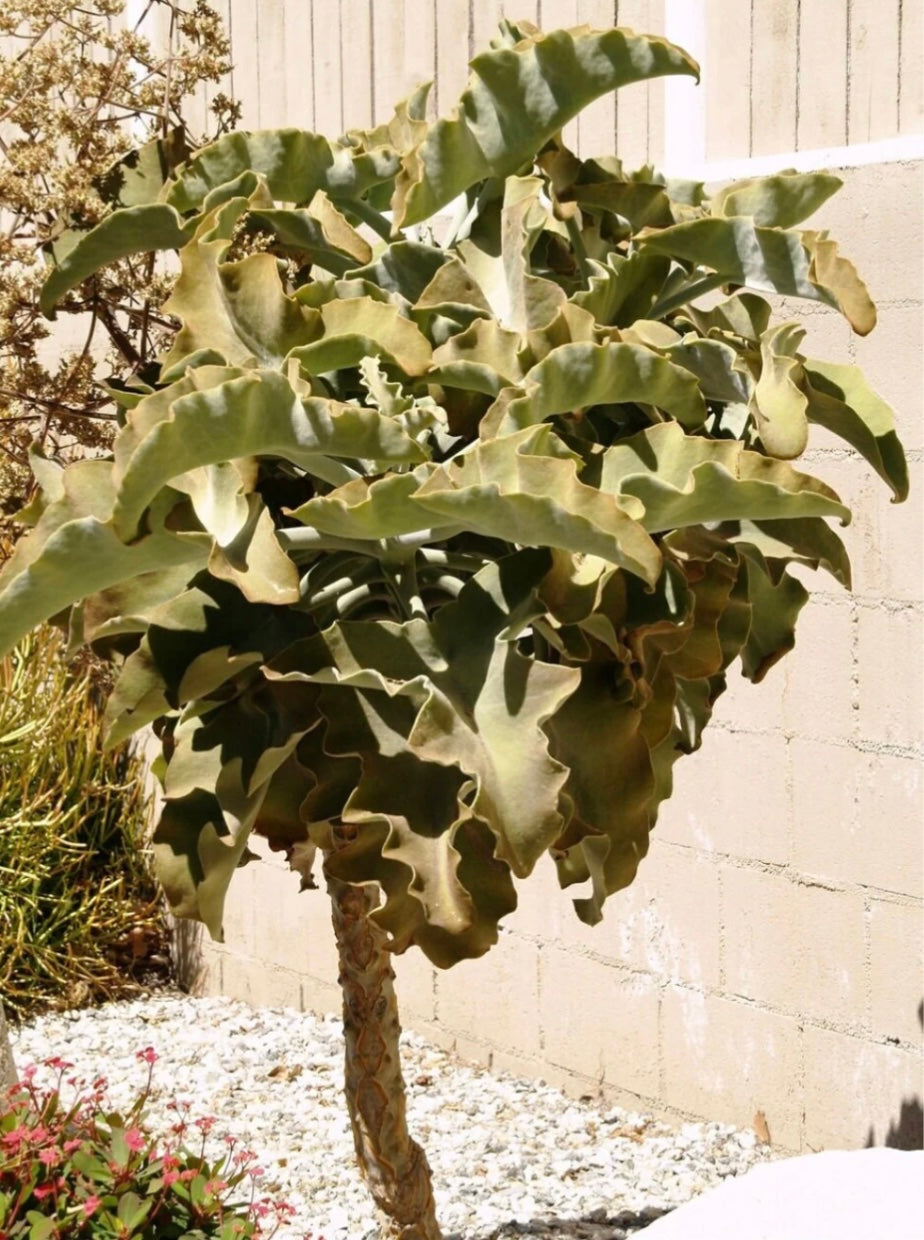
The Velvet Leaf Elephant Ear, a close relative of Alocasia odora, stands out for its large, heart-shaped leaves covered in a delicate, velvety sheen. Each leaf can grow up to two feet long, creating a tropical canopy effect whether placed indoors or outside.
Unlike many tropical plants, this species has a sturdy structure, giving it both beauty and resilience. Its deep green tones and sculptural presence make it ideal for filling corners or framing patios in lush, modern landscapes.
Light and Watering Needs of Velvet Leaf Elephant Ear
Proper Alocasia odora care starts with light and water balance. The plant thrives in bright, indirect sunlight—a few hours of soft morning light is ideal. Too much direct sun can burn its leaves, while low light slows its growth.
Water the plant regularly, but allow the top inch of soil to dry before watering again. This keeps the roots healthy and prevents rot. Mist occasionally or place it near a humidifier to mimic the tropical humidity it loves.
For beginners, this species is forgiving once you learn its rhythm, making it a great addition to a beginner’s indoor plant care routine.

Best Soil Mixes and Fertilization for Elephant Ear Plants
The Velvet Leaf Elephant Ear thrives in rich, well-draining soil. Use a mix of potting soil, perlite, and compost to give it both structure and moisture control.
Feed the plant every four to six weeks during spring and summer with a balanced, diluted fertilizer to encourage steady growth. Skip fertilizing in winter when the plant slows down.
If you’re growing from bulbs, knowing how to plant elephant ear bulbs correctly is key—set them 8 inches deep in loose soil with the pointed end facing up.
Indoor vs. Outdoor Growth: Where to Place Your Elephant Ear
Whether grown inside or outdoors, Alocasia odora adapts beautifully as long as its environment stays warm and humid. Indoors, it makes a stunning statement in bright living areas or sunrooms. Outdoors, it shines in shaded gardens, under trees, or by water features.
If you’re planning an outdoor setup, consider when to plant elephant ear bulbs—late spring or early summer, once soil temperatures stay above 18°C (65°F), is best for strong, steady growth.
Pruning and Cleaning Large Leaves for Healthy Growth
The large, velvety leaves of the Elephant Ear are beautiful but need regular upkeep. Wipe them gently with a soft, damp cloth to remove dust and keep them breathing freely.
Trim any yellowing or damaged leaves at the base to direct energy toward new growth. Routine cleaning also helps prevent pests and maintains the plant’s natural shine.
This simple habit supports long-term health and enhances its dramatic texture.
Common Problems: Yellowing Leaves, Drooping, and Pests
A few common issues may show up during the growing season, but they’re easy to fix with a little attention:
- Yellowing leaves: Often caused by overwatering or poor drainage. Let the soil dry slightly and check the pot’s drainage holes.
- Drooping leaves: Usually due to low humidity or too much sun. Move it to a shaded, bright spot and mist regularly.
- Pests: Spider mites and aphids may appear occasionally. Wipe leaves with a mild soapy solution or neem oil spray to keep them under control.
These small adjustments usually restore the plant quickly.
How Big Does Velvet Leaf Elephant Ear Get? Size & Growth Rate
Under the right conditions, Alocasia odora can reach up to 4–6 feet tall and spread just as wide. Indoors, it tends to grow more compactly but still makes an impressive statement.
Because of its size, it’s ideal for anchoring large containers, filling garden borders, or serving as a focal point in tropical-themed spaces.
Pairing Elephant Ear with Other Tropical Plants in Your Garden
To create a cohesive tropical look, pair the Velvet Leaf Elephant Ear with plants that have contrasting shapes and tones—think Bird of Paradise, Philodendron, or Calathea.
Together, they create layers of texture and height that transform your garden or patio into a living retreat.
For indoor displays, combine Elephant Ears with trailing or compact species from your indoor houseplant collection to balance proportions and color.
Overwintering Velvet Leaf Elephant Ear in Cooler Climates
If you live in a cooler region, your Elephant Ear will need protection during the colder months. Bring potted plants indoors before the first frost, or carefully dig up bulbs and store them in a cool, dry place until spring.
Keep the soil lightly moist and avoid fertilizing until new growth appears again. This helps preserve the plant’s strength through its dormant period.
Bringing the Velvet Leaf Elephant Ear Into Your Space
The Velvet Leaf Elephant Ear isn’t just another tropical—it’s a statement of texture, patience, and balance. With the right soil, sunlight, and steady care, it rewards you with bold, velvety leaves that capture attention from every angle.
Whether part of your indoor houseplant collection or used to anchor a tropical garden design, this plant brings structure and serenity wherever it grows. Start small, stay consistent, and enjoy watching it unfold into one of the most striking greens in your space.