


Blogs
Cherry of the Rio Grande Fruit Tree
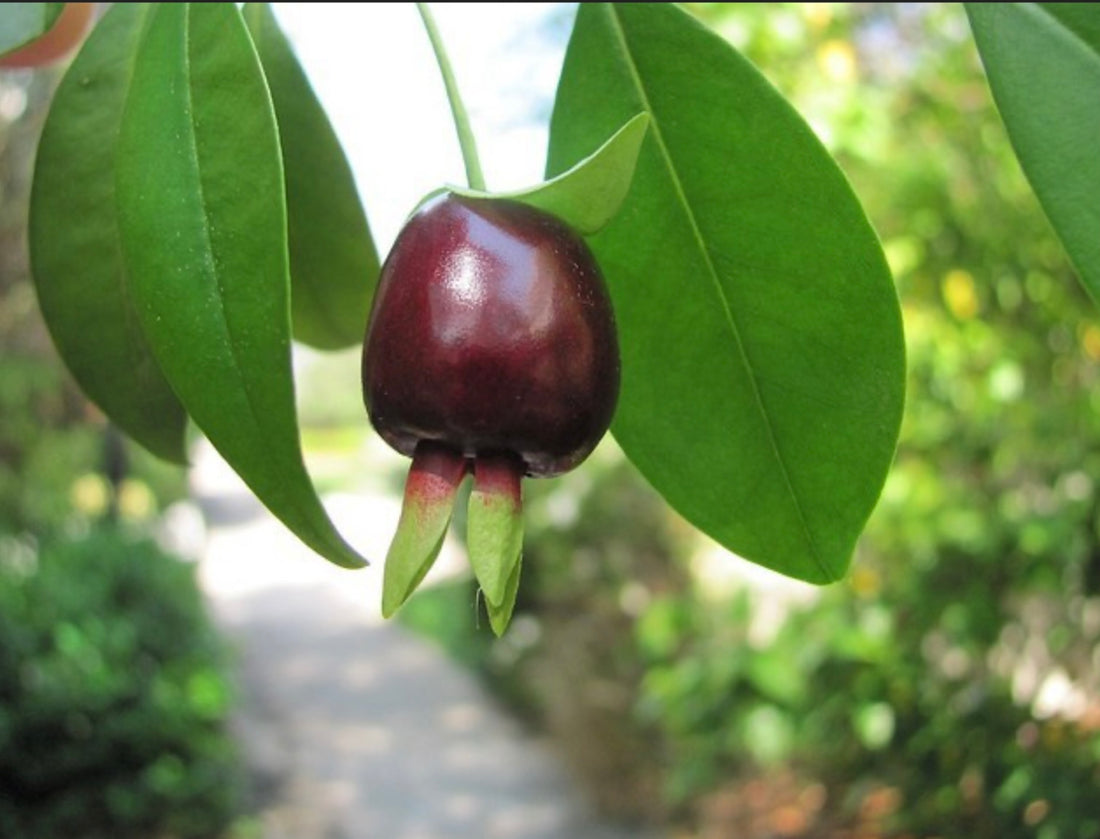
The Cherry of the Rio Grande fruit tree, scientifically known as Eugenia aggregata, is a tropical fruit tree that is native to Brazil. This small tree belongs to the Myrtaceae family and is highly valued for its delicious and nutritious fruits. In this blog post, we will explore the unique characteristics of the Cherry of the Rio Grande fruit tree and discover why it is a must-have addition to any tropical garden. What are the key features of the Cherry of the Rio Grande fruit tree? The Cherry of the Rio Grande fruit tree is a compact tree that typically reaches a height of 10 to 15 feet. It has glossy, dark green leaves that provide an attractive backdrop for the tree's vibrant fruits. The tree produces small, cherry-like fruits that are about 1 inch in diameter. These fruits have a deep red to purple color when ripe and are known for their sweet and tangy flavor. Why should you consider growing the Cherry of the Rio Grande fruit tree? 1. Exquisite Taste: The fruits of the Cherry of the Rio Grande tree are a true tropical delight. Their unique combination of sweetness and tanginess makes them perfect for fresh eating, jams, jellies, and desserts. Once you taste these cherries, you'll be hooked! 2. Nutritional Powerhouse: Not only are the fruits delicious, but they are also packed with essential nutrients. They are a good source of vitamin C, vitamin A, and dietary fiber. Incorporating these fruits into your diet can help boost your immune system and promote overall health. 3. Easy to Grow: The Cherry of the Rio Grande fruit tree is relatively easy to grow, making it suitable for both experienced and novice gardeners. It thrives in tropical and subtropical climates and prefers well-drained soil and full sun. With proper care, you can enjoy a bountiful harvest of these delectable cherries. How to care for the Cherry of the Rio Grande fruit tree? 1. Planting: Choose a sunny location in your garden with well-drained soil. Dig a hole that is slightly larger than the root ball of the tree. Place the tree in the hole and backfill with soil, gently firming it around the roots. Water thoroughly after planting. 2. Watering: The Cherry of the Rio Grande fruit tree requires regular watering, especially during dry periods. Keep the soil evenly moist but not waterlogged. Mulching around the base of the tree can help retain moisture and suppress weed growth. 3. Pruning: Prune the tree in late winter or early spring to remove dead or damaged branches and to maintain its shape. Regular pruning will also promote better air circulation and fruit production. Conclusion The Cherry of the Rio Grande fruit tree is a tropical gem that brings both beauty and flavor to any garden. With its delicious fruits and easy cultivation, it is a must-have for fruit enthusiasts and gardeners alike. Whether you enjoy the cherries fresh off the tree or use them in various culinary creations, this fruit tree will surely delight your taste buds and add a touch of the tropics to your landscape.
Learn more
The Red Wonderful Pomegranate: Your Guide to a Delicious and Healthy Fruit
The Red Wonderful Pomegranate is one of the most widely grown and commercially successful pomegranate varieties in the world. Known for its deep red skin, jewel-toned arils, and balanced sweet-tart flavor, the Wonderful cultivar dominates supermarket shelves and backyard orchards alike. What is a Wonderful pomegranate? The Wonderful pomegranate is a cultivar of Punica granatum known for its large size, deep red rind, and richly colored arils. It was introduced commercially in the early 20th century in California and quickly became the dominant variety for fresh eating and juice production. Today, most pomegranates sold in American supermarkets are Wonderful variety. Why is it called Wonderful pomegranate? The name “Wonderful” is a cultivar name chosen for marketing appeal. It reflects the fruit’s size, flavor balance, storage quality, and commercial reliability. The name is not botanical but has become the industry standard label for this specific variety. Is Wonderful pomegranate the same as red pomegranate? Most red pomegranates sold in large grocery chains are Wonderful variety, though not all red pomegranates are Wonderful. Other cultivars also produce red fruit, but Wonderful is the most widely grown commercial red type in the United States. Where are Wonderful pomegranates grown? Wonderful pomegranates are primarily grown in California’s Central Valley, especially around Fresno and Kern County. They are also cultivated in Arizona, parts of the Mediterranean, Israel, and regions with hot summers and mild winters. Health Benefits and Nutrition of Red Wonderful Pomegranate Red Wonderful pomegranates are frequently searched for their antioxidant profile, heart benefits, and overall nutritional value. What are the health benefits of Wonderful pomegranate? Wonderful pomegranates are rich in antioxidants, particularly punicalagins and anthocyanins. Research suggests pomegranate juice may support heart health, reduce oxidative stress, and help lower inflammation markers. Some studies show potential benefits for blood pressure and arterial health. Is pomegranate good for your heart? Pomegranate juice has been studied for cardiovascular support. Research published in nutrition and cardiology journals indicates it may help improve blood flow and reduce LDL oxidation, which is linked to heart disease risk. These effects are attributed to its high polyphenol content. How many calories are in a Wonderful pomegranate? One whole pomegranate contains roughly 230–240 calories, depending on size. One cup of arils contains approximately 140–150 calories. It is also a good source of fiber, vitamin C, vitamin K, and potassium. Does pomegranate have a lot of sugar? Pomegranate arils contain natural sugars. One cup has about 24 grams of sugar, which is comparable to many fruits. The sugar content is balanced by fiber and antioxidants, making it nutritionally dense rather than empty-calorie sweet. Taste, Appearance, and Ripeness Consumers frequently search how to identify ripe Wonderful pomegranates and what flavor to expect. What does a Wonderful pomegranate taste like? Wonderful pomegranates have a sweet-tart flavor profile. The arils are juicy with noticeable acidity, especially compared to softer, sweeter varieties. The flavor intensifies as the fruit fully ripens. How do you know if a Wonderful pomegranate is ripe? A ripe Wonderful pomegranate feels heavy for its size, indicating high juice content. The skin should be firm and deep red with a slightly matte finish. Ripe fruits often develop flat sides due to tightly packed arils inside. When are Wonderful pomegranates in season? In the United States, Wonderful pomegranates are typically harvested from September through November. They may remain available in stores through January due to their excellent storage life. Growing Red Wonderful Pomegranate Trees The Wonderful pomegranate tree is popular among home gardeners in warm climates. It is valued for drought tolerance, ornamental flowers, and fruit production. How do you grow a Wonderful pomegranate tree? Wonderful pomegranate trees require full sun and well-drained soil. They thrive in USDA zones 8–11. The tree needs hot summers for fruit development and mild winters. Planting in a sunny, sheltered location improves fruit quality. How long does a Wonderful pomegranate tree take to bear fruit? A grafted Wonderful pomegranate tree can begin producing fruit within 2 to 3 years. Full production typically occurs around 5 years after planting. Trees can remain productive for decades under proper care. How often should you water a pomegranate tree? Young trees require consistent watering during establishment. Mature trees are drought tolerant but benefit from deep watering every 7–10 days during dry periods. Overwatering can reduce fruit sweetness and cause splitting. Can you grow Wonderful pomegranate in pots? Yes, Wonderful pomegranates can grow in large containers with proper drainage. Dwarfing may occur, but container growing is possible in warm climates or where winter protection is needed. How to Eat, Store, and Use Wonderful Pomegranates How long do Wonderful pomegranates last? Whole pomegranates can last 1 to 2 months in refrigeration. Arils stored in an airtight container typically last up to 5 days in the refrigerator. Can you freeze pomegranate arils? Yes, arils can be frozen in a single layer on a tray before transferring to freezer-safe containers. Frozen arils maintain flavor and can be used in smoothies, desserts, or sauces. What are the best ways to use Wonderful pomegranate? Red Wonderful pomegranates are prized for their deep color, juicy arils, and balanced sweet-tart flavor. Their versatility makes them useful far beyond simple snacking. Fresh arils brighten salads, grain bowls, yogurt, and oatmeal with texture and acidity. They pair especially well with feta, goat cheese, nuts, and leafy greens. The juice can be enjoyed on its own, blended into smoothies, or mixed into sparkling water and cocktails. In savory cooking, pomegranate juice can be reduced into a glaze for chicken, lamb, or roasted vegetables. It is also the base for pomegranate molasses, commonly used in Middle Eastern cuisine. For desserts, arils add color and contrast to cheesecakes, chocolate cakes, and fruit tarts.
Learn more
Aronia Berry (Chokeberry): A Complete Guide for Home Gardens
Aronia berries, or chokeberries, are native North American shrubs prized for their dark, antioxidant-packed fruit. Beyond their health benefits, they offer beautiful seasonal foliage, attract pollinators, and thrive in home gardens with minimal care. Whether you’re growing for nutrition, wildlife support, or landscaping, understanding their growth, care, and culinary uses ensures success. What Are Aronia Berry Plants and Why Are They Considered a Superfruit? Aronia berries are small, dark fruits rich in anthocyanins, polyphenols, and vitamins that support immunity, cardiovascular health, and digestive wellness. Considered a superfruit, they’re gaining popularity among gardeners and health enthusiasts alike. What is an Aronia berry (chokeberry) and why is it popular? Chokeberries are native shrubs with small, round fruits. Their high antioxidant content and adaptability for home gardens make them both a superfood and a versatile ornamental plant. What Are the Health Benefits of Aronia Berries? Aronia berries are rich in antioxidants, particularly anthocyanins, which may help reduce oxidative stress, support heart health, and strengthen immune function when consumed regularly. How to Grow Aronia Berry Plants: Soil, Watering, and Sun Requirements Successful cultivation starts with soil, light, and water management. With the right conditions, Aronia shrubs are hardy, low-maintenance, and rewarding. How do you grow Aronia berry bushes at home? Plant in well-draining soil with full sun exposure. Space bushes 3–5 feet apart to allow airflow and healthy growth. Mulching helps retain soil moisture and reduces weeds. How much sun does Aronia berry need to thrive? Full sun encourages stronger stems, larger fruits, and deeper berry pigmentation. Partial shade is tolerated but may reduce fruit yield. How often should you water Aronia berry plants? Young plants need consistent moisture. Once established, they tolerate occasional dry periods but benefit from deep watering during flowering and fruiting. Which soil types are best for growing Aronia berries successfully? Sandy-loam or loamy soils with slightly acidic to neutral pH (5.5–7.0) work best. Avoid heavy clay or poorly drained soils to prevent root rot. Best Aronia Berry Varieties to Plant at Home (Black, Red, Purple) Aronia comes in black, red, and purple varieties, each with unique flavor profiles, growth habits, and antioxidant levels. How Do Aronia Berries Compare to Other Superberries? Black chokeberries contain especially high anthocyanin levels, red varieties offer lighter flavor and color, and purple cultivars provide a balance of taste and antioxidant content. The best choice depends on climate conditions, available garden space, and intended use. When and How to Harvest Aronia Berries for Maximum Flavor Harvesting at the right time ensures sweet, flavorful fruit. When is the best time to harvest Aronia berries? Berries are ripe when deep-colored, slightly soft, and easily pluckable. Peak season usually occurs from late August to September, depending on the local climate. When Is Aronia Berry Harvest Season and How Should You Pick Them? Aronia berries are typically ready for harvest in late summer to early fall, once the berries turn deep purple or black and develop full flavor. Gently hand-pick the berries to prevent bruising, then use them fresh or store them in the refrigerator for up to one week. For long-term storage, freezing the berries helps preserve their antioxidant content. Nutritional Benefits of Aronia Berries: Antioxidants, Vitamins, and Health Uses Aronia berries are a nutritional powerhouse, supporting heart, immune, and digestive health. What are the main health benefits of Aronia berries? High in fiber, vitamin C, and polyphenols, Aronia berries may reduce inflammation, promote heart health, support digestion, and combat oxidative stress (Journal of Food Science & Nutrition, 2022). How to Use Aronia Berries in Recipes (Juices, Jams, Teas, and Baking) These tart berries are versatile in the kitchen and pair well with sweet and savory dishes. What Are Popular Aronia Berry Recipes and How Are They Used? Aronia berries are commonly used in juices, smoothies, jams, muffins, pies, and desserts. They also work well in sauces for meats. Pairing Aronia with sweeter fruits like apples or other berries helps balance their natural tartness, while their deep color adds visual appeal to both foods and beverages. Why Aronia Berries Are Popular in Native Landscaping and Wildlife Gardens Beyond nutrition, Aronia shrubs support local ecosystems and enhance landscapes. Why Are Aronia Berries Popular in Native Landscaping? Aronia berries are valued in native landscaping for their low maintenance, adaptability to a variety of soils, and seasonal interest. Their white spring flowers, dark berries, and vibrant fall foliage create multi-season appeal while supporting sustainable garden design. How Do Aronia Berries Support Wildlife Gardens? Aronia berries attract birds, pollinators, and beneficial insects. Birds feed on the fruit, while bees and butterflies visit the flowers, making them an excellent choice for gardens focused on wildlife and ecological balance. Aronia Berries in Traditional Medicine and Modern Research Aronia berries have a long history of medicinal use and are increasingly studied in modern research. How Do You Propagate Aronia Berry Shrubs from Seeds or Cuttings? You can propagate Aronia berries from seeds, which require stratification, or from semi-hardwood cuttings. Spring or early summer is ideal for cuttings to establish roots before winter. What Do Traditional and Modern Studies Say About Aronia Berries? Indigenous peoples historically used Aronia berries for digestive and inflammatory conditions. Modern research confirms their antioxidant, anti-inflammatory, and cardioprotective properties, supporting these traditional uses.
Learn more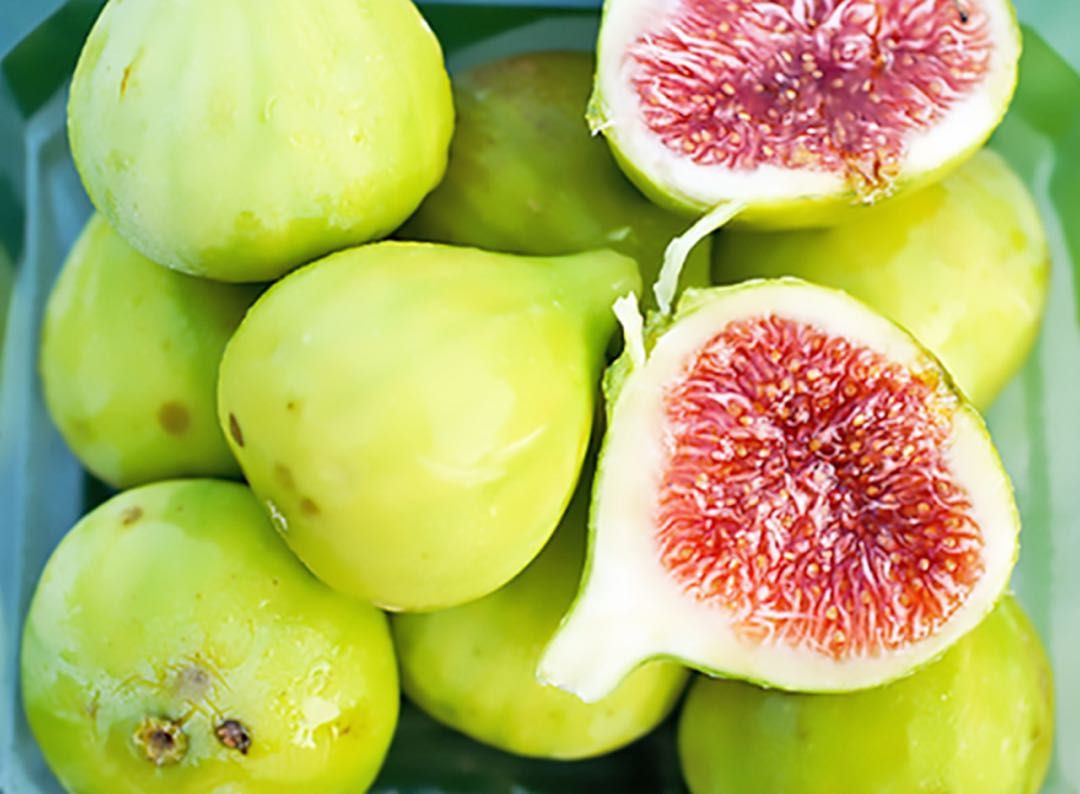
Strawberry Verte Fig Plant
Strawberry Verte Fig Plant Strawberry Verte fig plants are typically medium-sized trees, reaching a mature height of around 12-15 feet. They have a spreading habit and an open, airy canopy that allows for adequate sunlight penetration. The leaves of the tree are large and glossy, and possess a dark green pigment. In terms of the fruit, the figs produced by Strawberry Verte fig plants are of substantial size and take on a unique, elongated form. They are typically around 2-3 inches long and have a deep red or purplish-black hue. In opposition to several other fig types, the Strawberry Verte fig is predominantly known for its sweet, juicy flesh and high organic sugar content. Additionally, they are rich in vitamins and minerals, making them a nutritious inclusion to any diet. Strawberry Verte Fig Benefits One of the distinctive characteristics of Strawberry Verte fig plants is their ability to produce fruit twice a year. These trees are known as "breba" figs, meaning that they produce a small crop of figs on the previous year's wood in early summer before the main crop. As a result, additional figs develop on the current year's wood, hence, ripening in late summer or early fall. In this way, gardeners can enjoy a steady supply of fresh, sweet figs throughout the growing season. Those who reside in tricky climates will find great benefit in these fruit trees as well. Strawberry Verte fig plants are able to tolerate a wide range of temperatures and can survive in both hot and cold climates. They are also resistant to numerous common diseases and pests that often affect other types of fruit trees. Growing Tips In order to grow a healthy Strawberry Verte fig tree, it is important to plant it in well-drained soil that is lavish in organic matter. The tree should be placed in an area that receives full sun for at least six hours a day, with regular watering and fertilization. When it comes to pruning, it is best to wait until the tree has reached maturity. This will prevent potential damage to the tree and aid the plant in producing its maximum amount of fruit. In conclusion, Strawberry Verte fig plants remain a highly prized fruit tree, known for producing some of the sweetest figs in the world. They are hardy, easy to grow, and with proper maintenance, will produce an abundance of delectable fruit for many years to come.
Learn more
Yellow Passion Fruit Plant Guide: Identification, Growth Habit, and Uses
Yellow passion fruit is a vigorous tropical vine grown for its aromatic fruit, ornamental flowers, and commercial value. This article focuses on identification, morphology, and mature growth traits. What is Yellow Passion Fruit (Passiflora edulis f. flavicarpa)? Yellow passion fruit is a tropical climbing vine belonging to the Passifloraceae family. It is a botanical form of Passiflora edulis distinguished by yellow fruit skin, strong vine vigor, and high acidity. It is widely cultivated in tropical and subtropical regions for fresh fruit and juice production. What does Yellow Passion Fruit look like as it grows? The plant produces long, fast-growing vines with tendrils that attach to trellises or supports. Leaves are glossy, deep green, and typically three-lobed. Flowers are large, fragrant, and showy, featuring white petals with purple and blue corona filaments. Fruit develops after successful pollination. How large does a Yellow Passion Fruit vine grow? A mature yellow passion fruit vine commonly grows 15 to 30 feet long in a single growing season under favorable conditions. With proper support and pruning, vines form dense canopies capable of covering trellises, fences, or arbors. Yellow Passion Fruit Native Range and Growing Conditions Understanding the plant’s origin helps explain its heat tolerance, water needs, and growth behavior. Where does Yellow Passion Fruit originate? Yellow passion fruit originates from tropical South America, particularly Brazil. It has since been widely distributed throughout tropical regions due to its adaptability, disease resistance, and commercial demand. What climate is best for growing Yellow Passion Fruit? Yellow passion fruit grows best in warm, humid tropical climates with consistent temperatures between 68°F and 86°F. It is sensitive to frost and is typically grown in USDA Zones 10 through 12, or as a protected plant in cooler regions. What soil conditions does Yellow Passion Fruit prefer? The vine prefers well-drained, fertile soils with a slightly acidic to neutral pH. Sandy loam soils rich in organic matter support strong root development and fruit production. Poor drainage increases the risk of root diseases. Yellow Passion Fruit Light, Water, and Establishment Needs Strong vine growth and fruiting depend on correct light exposure and consistent moisture. How much sunlight does Yellow Passion Fruit need? Yellow passion fruit requires full sun for optimal flowering and fruit production. A minimum of six to eight hours of direct sunlight per day is recommended to support vine vigor and consistent yields. How often should Yellow Passion Fruit be watered? Regular watering is essential, especially during flowering and fruit development. Soil should remain evenly moist but not waterlogged. Extended dry periods can lead to flower drop and reduced fruit set. Is Yellow Passion Fruit drought tolerant once established? Yellow passion fruit has low drought tolerance compared to many perennial fruit crops. Even established vines require consistent moisture to maintain fruit quality and prevent stress-related decline. Yellow Passion Fruit Pruning, Training, and Growth Management When is the best time to prune Yellow Passion Fruit vines? Pruning is best done after harvest or at the start of the warm growing season. Removing excess growth improves airflow, encourages productive lateral shoots, and reduces disease pressure. Does Yellow Passion Fruit need a trellis or support? Yes, yellow passion fruit vines require a strong trellis, fence, or arbor. The plant climbs using tendrils, and unsupported growth leads to tangled vines and reduced fruiting efficiency. How fast does Yellow Passion Fruit grow? Yellow passion fruit grows rapidly, often producing several feet of vine growth per month during warm conditions. This fast growth supports quick canopy establishment but requires regular pruning. Yellow Passion Fruit Pollination, Fruit Production, and Uses Fruit development depends on successful pollination and proper vine care. Does Yellow Passion Fruit need pollinators? Yellow passion fruit relies on pollinators for fruit set. Large bees, including carpenter bees, are the primary natural pollinators. In areas with limited pollinator activity, hand pollination may be necessary. How long does it take Yellow Passion Fruit to produce fruit? Yellow passion fruit typically begins producing fruit within 12 to 18 months from planting. Fruit matures approximately 70 to 80 days after flowering under optimal conditions. What are common uses for Yellow Passion Fruit? The fruit is widely used for fresh consumption, juice, desserts, sauces, and flavoring beverages. Yellow passion fruit is preferred for juice production due to its strong aroma, high acidity, and intense flavor.
Learn more
How to Grow Suebelle White Sapote: Planting, Care, and Fruit Tips
Suebelle white sapote is a well-known cultivar of Casimiroa edulis, valued for reliable fruiting, manageable size, and high-quality flesh. Understanding planting, growth habits, and harvest timing supports healthier trees and better yields, especially in subtropical home gardens. How do you grow a Suebelle white sapote tree? Suebelle white sapote grows best in well-draining soil with full sun exposure. The tree prefers deep, infrequent watering once established and benefits from organic mulch to retain soil moisture. University of California Cooperative Extension notes that white sapote adapts well to a range of soil types as long as drainage is adequate. Young trees should be protected from frost and strong winds during establishment. How big does a Suebelle white sapote tree get? Suebelle typically grows smaller than many seedling white sapotes. When unpruned, it can reach 20 to 25 feet, though most home growers maintain it between 10 and 15 feet through annual pruning. This compact habit is one reason Suebelle is commonly recommended for backyard planting. How long does a white sapote tree take to bear fruit? Grafted Suebelle white sapote trees often begin producing fruit within three to five years after planting. Seed-grown trees can take significantly longer, sometimes seven to ten years. Early fruiting is widely documented in nursery descriptions and grower reports. When is white sapote ready to harvest? White sapote fruit is ready to harvest when it reaches full size and the skin lightens slightly in color. Fruit should detach easily from the branch with a gentle lift. Harvest timing varies by climate but often falls between late fall and early spring in warm regions. How do you know when white sapote is ripe? Ripe white sapote softens noticeably, similar to a ripe avocado. The flesh becomes creamy and aromatic. Fruit that is still firm will lack sweetness and proper texture, which is why growers often allow harvested fruit to soften at room temperature for several days. White Sapote Varieties Compared: Suebelle vs. Vernon, McDill, and Others White sapote includes many named cultivars, each with differences in flavor, size, and growth habit. Comparing these varieties helps growers choose the right tree for their space and taste preferences. Is Suebelle a good variety of white sapote? Suebelle is considered one of the most dependable white sapote cultivars. It is widely grown in California and other subtropical regions due to consistent fruit set, mild sweetness, and fewer seeds. Many fruit-growing organizations and nurseries list it as a recommended cultivar for beginners. What are the most popular white sapote varieties? Popular cultivars include Suebelle, Vernon, McDill, Pike, and Younghan’s Gold. Vernon is known for larger fruit, while McDill is prized for rich flavor. Suebelle stands out for balance between productivity, flavor, and tree size. How is Suebelle different from Vernon white sapote? Suebelle generally produces slightly smaller fruit than Vernon but offers more consistent yields and a more compact tree. Vernon fruit can be larger and richer, though the tree often grows taller and requires more space. What is the difference between white sapote and black sapote? White sapote (Casimiroa edulis) and black sapote (Diospyros digyna) are unrelated species. White sapote has pale, custard-like flesh with mild sweetness, while black sapote develops dark, pudding-like flesh when ripe. Their trees, climates, and flavors differ significantly. Best Growing Zones for White Sapote: Can You Grow Suebelle in Your Region? Climate plays a major role in white sapote success. Suebelle performs best in areas with mild winters and warm summers. What climate is best for growing white sapote? White sapote grows well in USDA zones 9 through 11. It tolerates light frost once established, though young trees are sensitive to cold. Agricultural extension sources document successful cultivation in coastal California, parts of Florida, and similar subtropical climates. Does white sapote need cross-pollination? White sapote is generally self-fertile and does not require another tree for pollination. That said, growers often report improved fruit set when multiple varieties are planted nearby, likely due to increased pollinator activity. The History and Origins of the White Sapote (Casimiroa edulis) White sapote has a long history of cultivation and cultural significance in Mesoamerica, predating modern horticulture. What is white sapote and where does it come from? White sapote is a fruiting tree native to Mexico and Central America. It has been cultivated for centuries and was later introduced to California and other subtropical regions during the early 20th century. How was white sapote traditionally used in Central America? Historically, white sapote was eaten fresh and used in beverages and desserts. Ethnobotanical records also note the use of leaves and seeds in traditional medicine, though modern sources caution against consuming seeds due to toxicity. Nutritional Benefits of Eating Suebelle White Sapote White sapote is often appreciated for its flavor, though it also offers nutritional value. What are the health benefits of white sapote? White sapote contains vitamin C, dietary fiber, potassium, and small amounts of B vitamins. Nutritional databases and food references describe it as a low-acid fruit that supports digestion and hydration when eaten fresh. Are white sapote seeds toxic? Yes. White sapote seeds contain toxic compounds and should not be eaten. This is documented in food safety references and agricultural extension materials. Only the flesh is safe for consumption. Growing White Sapote in Containers: Is Suebelle the Best Choice? Container growing expands access for gardeners with limited space. Can white sapote grow in pots or containers? White sapote can grow in large containers when properly managed. Pots should provide excellent drainage and sufficient volume to support root growth. Regular pruning is essential to keep the tree balanced. Is Suebelle white sapote suitable for container growing? Suebelle is one of the better choices for containers due to its naturally moderate growth habit and good response to pruning. Many specialty nurseries specifically recommend Suebelle for patios and small gardens. Common Challenges When Growing Suebelle White Sapote (and How to Deal with Them) Even hardy fruit trees face occasional challenges related to environment and care. How should white sapote be stored after harvest? Harvested white sapote should be stored at room temperature until fully ripe, then refrigerated for short-term storage. Cold storage before ripening can affect texture and flavor. Why does white sapote fruit drop before ripening? Fruit drop can result from water stress, temperature fluctuations, or excessive fruit load. Extension guides note that thinning fruit and maintaining consistent watering can reduce premature drop. Culinary Inspiration: Recipes and Ways to Use Suebelle White Sapote Suebelle white sapote is primarily enjoyed fresh, though it also works well in simple preparations. What does Suebelle white sapote taste like? Suebelle white sapote has a mild, sweet flavor often compared to banana, pear, and vanilla custard. The texture is smooth and creamy when fully ripe. Can you eat white sapote raw? Yes. White sapote is commonly eaten raw with a spoon. This is the most traditional and widely recommended way to enjoy the fruit. Where can you buy a Suebelle white sapote tree? Suebelle white sapote trees are available from specialty fruit nurseries, mail-order plant sellers, and some local garden centers in warm climates. Many reputable nurseries list grafted Suebelle trees with cultivar verification.
Learn more
Katuk Sweet Leaf (Sauropus androgynus): Complete Guide to Growing, Uses, and Benefits
Katuk, also known as sweet leaf or Sauropus androgynus, is a fast-growing perennial leafy vegetable native to Southeast Asia. Valued for its tender leaves, subtle sweetness, and high nutritional content, Katuk has earned a spot in tropical gardens and kitchens across the region. This guide explores how Katuk compares to other perennial greens, how to grow it at home, its health benefits, culinary uses, and safety considerations. [productList] 1. Katuk vs Other Perennial Leafy Greens Katuk stands out in the tropical leafy green family for its rapid growth, tender leaves, and subtle sweet flavor. Compared to Moringa (drumstick tree), Katuk grows best in shaded, humid environments rather than dry, sunny conditions. Moringa leaves, while highly nutritious, have a slightly fibrous texture, whereas Katuk’s leaves remain soft even on mature plants, making them ideal for salads and quick stir-fries. Chaya, another perennial green, shares Katuk’s resilience but comes with a catch: its raw leaves contain toxic compounds and must always be cooked. Katuk, on the other hand, can be safely eaten raw in moderation, which makes it more versatile for fresh culinary applications. Okinawa spinach (Gynura crepioides) offers a similar leafy texture and mild taste, but its slower growth and lower leaf yield make it less practical for home gardeners seeking continuous harvests. Positioning Katuk alongside these greens highlights its strengths: a fast-growing, nutrient-dense perennial suitable for both cooking and raw preparations, while providing gardeners and food enthusiasts clear guidance for selection based on climate, culinary use, and harvest goals. 2. How to Grow Katuk Sweet Leaf in Home Gardens Growing Katuk at home is surprisingly simple if its basic needs are met. The plant prefers rich, well-draining soil and a location with partial shade. Full sun can stress the leaves and reduce flavor, while deep shade may slow growth. Katuk responds well to pruning, which encourages bushier growth and more harvestable leaves. Propagation is most successful through cuttings, planted in moist soil. Regular watering, occasional fertilization, and monitoring for pests like aphids or caterpillars will keep your Katuk thriving year-round. With proper care, a single plant can provide a steady supply of leaves for months. 3. Nutritional Value & Medicinal Uses of Katuk With its rich nutritional profile, Katuk is often celebrated as a tropical superfood. One cup of fresh leaves provides high levels of protein, iron, calcium, and vitamins A, C, and E. These nutrients support immune function, eye health, and bone strength. The leaves are also a source of antioxidants, which combat free radicals and promote overall wellness. Beyond nutrition, Katuk has traditional medicinal uses. In Southeast Asia, it is used to support lactation, boost energy, and soothe mild digestive issues. Some herbalists also employ Katuk for its anti-inflammatory and blood-sugar-regulating properties. Appreciating Katuk’s health perks requires a measure of caution. While it can be safely incorporated into daily meals, excessive raw consumption has been associated with rare respiratory issues. Cooking the leaves not only enhances digestibility but also preserves most of the key nutrients, making stir-fries, soups, and sautés the safest and most beneficial ways to enjoy Katuk. 4. Katuk Recipes & Culinary Uses Across Asia Culinary traditions across Southeast Asia showcase Katuk’s versatility. In Indonesia, it’s often stir-fried with garlic and chilies for a fragrant side dish. Malaysian soups and broths feature Katuk leaves for added nutrition and texture, while in the Philippines, they are incorporated into fresh salads, omelets, or simply sautéed as a healthy accompaniment. Experimenting with Katuk in different recipes not only highlights its delicate flavor but also strengthens appreciation for its cultural significance across Asian cuisines. 5. Katuk Safety: Health Benefits vs Potential Risks Katuk’s nutritional profile is impressive, but history reminds us that moderation matters. In the early 1990s, Taiwan experienced cases of bronchiolitis linked to excessive raw consumption of Katuk leaves. The underlying cause is believed to be compounds in the raw leaves that can become harmful in large amounts. Fortunately, proper preparation dramatically reduces risk. Cooking Katuk neutralizes these compounds, making it safe for daily consumption. Experts also recommend rotating it with other leafy greens in the diet and avoiding large amounts of raw leaves, particularly for vulnerable groups such as infants or those with pre-existing respiratory conditions. By addressing both benefits and risks, home gardeners and culinary enthusiasts can enjoy Katuk with confidence. This balanced perspective strengthens credibility, ensuring readers see the plant not just as a “superfood,” but as a practical, culturally rich, and safely consumable ingredient. Conclusion Katuk Sweet Leaf is more than a nutritious perennial green—it’s a culinary and cultural treasure with practical gardening appeal. Understanding how it compares to other tropical greens, growing it properly, appreciating its health benefits, and respecting its safety guidelines creates a well-rounded foundation for enjoying this remarkable plant.
Learn more
A Definitive Guide to Purple Tree Collards
Purple Tree Collards are perennial collard plants that grow on a woody, tree-like stem, allowing them to reach several feet tall and produce edible leaves over multiple years. Unlike annual collards that must be replanted each season, Purple Tree Collards provide continuous harvests year-round, making them a practical choice for home gardens, permaculture systems, and food forests. They are typically propagated from cuttings rather than seed, which preserves desirable traits and ensures consistent plant performance. Identified by their purple-tinged stems and veins, Purple tree Collards are known for strong cold tolerance, vigorous regrowth after harvest, and long-term productivity. With documented cultivation history in California and the southern United States, Purple Tree Collards are widely regarded as a resilient perennial leafy green suited for sustainable and low-maintenance gardening. Why Gardeners Love Purple Tree Collards as a Perennial Green Can Purple Tree Collards survive winter? Established plants tolerate light frost and can continue producing edible leaves during mild winter conditions. This resilience allows gardeners to maintain a reliable food source when other greens slow down. Purple Tree Collard USDA Zone Map: What Growing Zones Are Best? These plants are most successful in USDA zones 8–11. In colder zones, they may require frost protection or indoor overwintering, but their perennial nature still makes them a superior long-term investment compared to annual greens. How long do Purple Tree Collards live? With proper care, they can remain productive for five years or more. Gardeners report that pruning and regular harvesting help extend plant longevity while encouraging vigorous new growth. Can Purple Tree Collards overwinter outside? Yes, in regions with mild winters, these plants often survive outdoors without additional protection. Their woody stems and cold tolerance make them a robust perennial choice for gardeners who want year-round greens. Grower testimonials highlight their low-maintenance nature, ability to provide continuous harvest, and resilience during periods of heat or moderate drought. Nutritional Benefits of Purple Tree Collards What are the health benefits of Purple Tree Collards? They are high in calcium, essential for bone health, as well as vitamins A, C, and K. Antioxidants present in the leaves help combat oxidative stress and support immune function. Because they are a perennial crop, they allow for more frequent access to fresh, nutrient-dense leaves. Research and nutrition databases confirm that collards are among the highest calcium-rich leafy greens. Their vitamin profile supports eye health, immune function, and blood clotting. Are Purple Tree Collards nutritious? Yes. Compared to other greens like kale and broccoli, they provide similar nutrient levels with the added benefit of consistent availability due to their perennial growth. How do Purple Tree Collards compare nutritionally to kale or collards? Nutrient-dense leaves provide similar levels of minerals and vitamins. Frequent harvesting without replanting allows gardeners to enjoy fresh, high-quality leaves over several seasons, which enhances diet diversity and sustainability. How to Grow and Care for Purple Tree Collards Purple Tree Collards Nutrition Benefits: What Makes Them So Nutritious? Purple Tree Collards are a nutrient-dense perennial leafy green rich in vitamins A, C, and K, which support immune health, skin health, and proper blood clotting. They are a strong source of calcium and magnesium for bone support, along with iron to help maintain healthy red blood cells. Their deep green leaves and purple veins contain antioxidants and phytonutrients linked to reduced inflammation and overall cellular health. As a perennial collard, they offer consistent access to fresh greens year-round, supporting a steady intake of essential nutrients. Purple Tree Collards Health Benefits: How Do They Support Wellness? Regular consumption of Purple Tree Collards may support heart health, digestion, and bone strength. Their high fiber content aids digestive function and helps regulate blood sugar levels. The antioxidants found in Purple Tree Collards contribute to oxidative stress reduction, while their vitamin K and calcium content supports long-term bone density. These benefits make Purple Tree Collards a valuable addition to home gardens focused on nutrient-rich, sustainable food production. How do you grow Purple Tree Collards successfully? Key steps include proper spacing, pruning older leaves, and regular harvesting. Removing lower leaves encourages upward growth and maintains airflow, reducing the risk of fungal diseases. Do Purple Tree Collards need special soil conditions? They are not particularly finicky but perform best in soils with good organic matter content. Fertilizing with compost tea or balanced organic fertilizer enhances leaf production. When can I start harvesting leaves from Purple Tree Collards? Leaves can be harvested once plants are about two to three feet tall, taking care to leave the central growth tip intact for continuous production. Propagating Purple Tree Collards from Cuttings Propagation Methods for Purple Tree Collards: How Do You Grow Them Successfully? Purple Tree Collards are propagated almost exclusively from cuttings because seeds are rarely viable or true to type. This method preserves the plant’s perennial traits, growth vigor, and cold tolerance. To propagate, gardeners take healthy stem cuttings that are typically 6 to 12 inches long and include several visible nodes. The lower leaves are removed, and the cutting is planted directly into moist, well-draining soil or started in pots until roots form. With consistent moisture and mild temperatures, cuttings root easily and establish quickly, making this one of the most reliable perennial brassicas for home gardens and permaculture systems. How do I propagate Purple Tree Collards? Take 8–12 inch cuttings, remove the lower leaves, and plant in moist soil or containers until roots form. Rooting hormones can improve success but are not essential. Do Purple Tree Collards grow from seed? Rarely. While flowering occurs in mature plants, viable seed production is uncommon, which is why vegetative propagation ensures consistent plant characteristics. Cooking with Purple Tree Collards: Recipes and Ideas Purple Tree Collards harvest and cooking uses Leaves can be used fresh in salads, lightly sautéed, incorporated into soups, blended into smoothies, or wrapped around fillings as an alternative to tortillas. How do you cook Purple Tree Collards? Mature leaves may be tougher and benefit from blanching or slow cooking. Young leaves can be used raw or lightly cooked to preserve nutrients. Can you eat Purple Tree Collards raw? Yes, younger leaves are tender and suitable for salads or green smoothies. What do Purple Tree Collards taste like? They have a mild, slightly earthy flavor similar to traditional collards, with a subtle sweetness when cooked. Purple Tree Collards in Permaculture Design Are Purple Tree Collards a Good Permaculture Plant? Purple Tree Collards are well suited to permaculture systems because their perennial growth reduces soil disturbance and supports long-term garden productivity. Once established, they provide continuous leafy green harvests without the need for annual replanting. Are Purple Tree Collards Good Perennial Vegetables for Food Forests? Yes. Their upright, vertical growth and year-round leaf production make Purple Tree Collards an effective perennial vegetable in food forests. They integrate easily into multi-layered systems, offering a dependable source of greens alongside fruit trees and shrubs. Are Purple Tree Collards good for permaculture gardens? Yes. They integrate with other perennials, contribute organic matter when pruned, and support biodiversity. What plants grow well with Purple Tree Collards? Companion planting with nitrogen-fixing legumes, herbs, and other perennial greens enhances growth and soil health. Common Problems When Growing Purple Tree Collards What pests affect Purple Tree Collards? Aphids can cluster on new growth, and cabbage loopers may chew leaves. Regular inspection and removal help control infestations. Can Purple Tree Collards get fungal diseases? Yes, especially if airflow is poor or soil is consistently wet. Proper spacing, pruning, and mulching reduce risk. Why are my Purple Tree Collards not turning purple? Factors include insufficient sunlight, cooler temperatures, or plant immaturity. Leaves typically develop deeper coloration under full sun and warmer conditions.
Learn more
Okinawa Spinach: The Ultimate Guide to Growing, Benefits, and Recipes
Okinawa spinach is gaining attention among home gardeners, health-conscious cooks, and tropical plant lovers. Known for its deep green leaves with purple undersides, this leafy green thrives in warm climates and produces year-round harvests in the right conditions. What Is Okinawa Spinach? Okinawa spinach refers to Gynura bicolor, a fast-growing perennial leafy green native to Southeast Asia and widely cultivated in Japan, particularly in Okinawa. It is not a true spinach. It belongs to the Asteraceae family, the same family as daisies and sunflowers. The plant features dark green leaves with striking purple undersides and slightly serrated edges. It grows as a low, spreading plant and produces small orange-yellow flowers when mature. Is Okinawa spinach the same as longevity spinach? Okinawa spinach is often confused with longevity spinach, but they are different species. Longevity spinach usually refers to Gynura procumbens. Both plants have purple tones and belong to the same genus, yet they differ in leaf shape, taste, and medicinal reputation. Gynura procumbens is more commonly associated with traditional herbal medicine in Southeast Asia. Is Okinawa spinach really spinach? Okinawa spinach is not related to true spinach, which is Spinacia oleracea. True spinach belongs to the Amaranthaceae family. Okinawa spinach is an ornamental edible perennial with a milder, slightly sweet flavor and thicker leaves. Its name is based on culinary use rather than botanical classification. What does Okinawa spinach taste like? Okinawa spinach has a mild, slightly nutty flavor with subtle earthy undertones. The texture is thicker and more succulent than traditional spinach. Young leaves are tender and work well raw in salads, while mature leaves are better lightly sautéed or steamed. [productList] Health Benefits and Nutrition of Okinawa Spinach What are the health benefits of Okinawa spinach? Okinawa spinach contains antioxidants, including anthocyanins that give the underside of the leaves their purple color. Anthocyanins are studied for their potential role in reducing oxidative stress. The plant also contains fiber, iron, calcium, and vitamins A and C. Leafy greens in general are associated with heart health, improved digestion, and immune support when consumed regularly. Is Okinawa spinach good for you? Okinawa spinach can be a nutritious addition to a balanced diet. Like many leafy greens, it provides micronutrients and phytonutrients with relatively low calories. Its antioxidant compounds and fiber content support overall health, though it should be consumed as part of a varied diet rather than as a single “superfood” solution. Does Okinawa spinach help with longevity? Okinawa, Japan is known for high life expectancy, and leafy greens are part of the traditional Okinawan diet. However, no clinical studies confirm that Okinawa spinach alone promotes longevity. Longevity in Okinawa is associated with an overall dietary pattern rich in vegetables, sweet potatoes, soy-based foods, and moderate caloric intake. What nutrients are in Okinawa spinach? Okinawa spinach typically contains: Vitamin A (important for vision and immune health) Vitamin C (supports immune function and skin health) Iron (supports red blood cell production) Calcium (supports bone health) Dietary fiber (supports digestion) Exact nutrient levels vary depending on soil quality and growing conditions. How to Grow Okinawa Spinach (Planting and Care Guide) How do you grow Okinawa spinach? Okinawa spinach grows best in warm, humid climates. It thrives in USDA zones 9 to 11 and can be grown as a perennial in tropical areas. In cooler regions, it can be grown in containers and brought indoors during cold seasons. Plant it in well-draining soil enriched with compost. It prefers partial sun but tolerates full sun in humid climates. Can Okinawa spinach grow in pots? Yes, Okinawa spinach grows well in containers. Choose a pot with good drainage and at least 8 to 12 inches of depth. Container growing makes it easier to control soil quality and move the plant indoors if temperatures drop below 50°F (10°C). Regular trimming encourages bushier growth in pots. How often should you water Okinawa spinach? Okinawa spinach prefers consistently moist soil but does not tolerate waterlogged conditions. Water when the top inch of soil feels dry. In hot tropical climates, watering may be needed several times per week. Mulching helps retain soil moisture and regulate temperature. How do you propagate Okinawa spinach? Okinawa spinach is easily propagated through stem cuttings. Cut a 4 to 6-inch stem section, remove the lower leaves, and place it in water or directly into moist soil. Roots typically form within one to two weeks. Propagation by cuttings is faster and more reliable than growing from seed. Cooking and Using Okinawa Spinach How do you eat Okinawa spinach? Okinawa spinach can be eaten raw or cooked. Young leaves work well in salads and smoothies. Mature leaves are commonly sautéed with garlic, added to soups, or lightly steamed. Cooking softens the leaves and enhances their mild flavor. Can you eat Okinawa spinach raw? Yes, the young leaves are tender enough to eat raw. Wash thoroughly before use. Raw leaves retain more vitamin C compared to prolonged cooking. If the leaves are older and thicker, light cooking improves texture. What are popular Okinawa spinach recipes? Common preparations include: Garlic sautéed Okinawa spinach Stir-fried Okinawa spinach with tofu Okinawa spinach omelets Blended into green smoothies Added to miso soup Light cooking preserves color and texture. Safety, Harvesting, and Maintenance When can you harvest Okinawa spinach? Harvest begins once the plant is established and produces healthy leaves, usually 6 to 8 weeks after planting. Pick outer leaves first to encourage continuous growth. Regular harvesting promotes fuller plants. Is Okinawa spinach safe to eat? Okinawa spinach is generally safe to eat when properly identified and grown in clean soil. As with all leafy greens, wash thoroughly to remove dirt or insects. Avoid consuming ornamental look-alikes unless you are certain of correct plant identification. When in doubt, consult a local agricultural extension office or plant expert.
Learn more
Cherimoya Annona cherimola Tree
Cherimoya Annona cherimola Tree Cherimoya trees (Annona cherimola) have become a popular tropical fruit tree to grow. It is native to South America and is an evergreen there. However when grown in cooler climates, it is deciduous. The tree produces a large fruit, which can weigh up to five pounds. The taste of the fruit has been described as similar to pineapple banana custard. Cherimoya trees can reach heights of over 30 feet, but they respond well to frequent trimming and can be maintained at much lower heights. If several trees are planted in close proximity, they often grow together and form a natural espalier that can be trained against a fence or wall. Young trees should be protected from freezing temperatures. [productList]
Learn more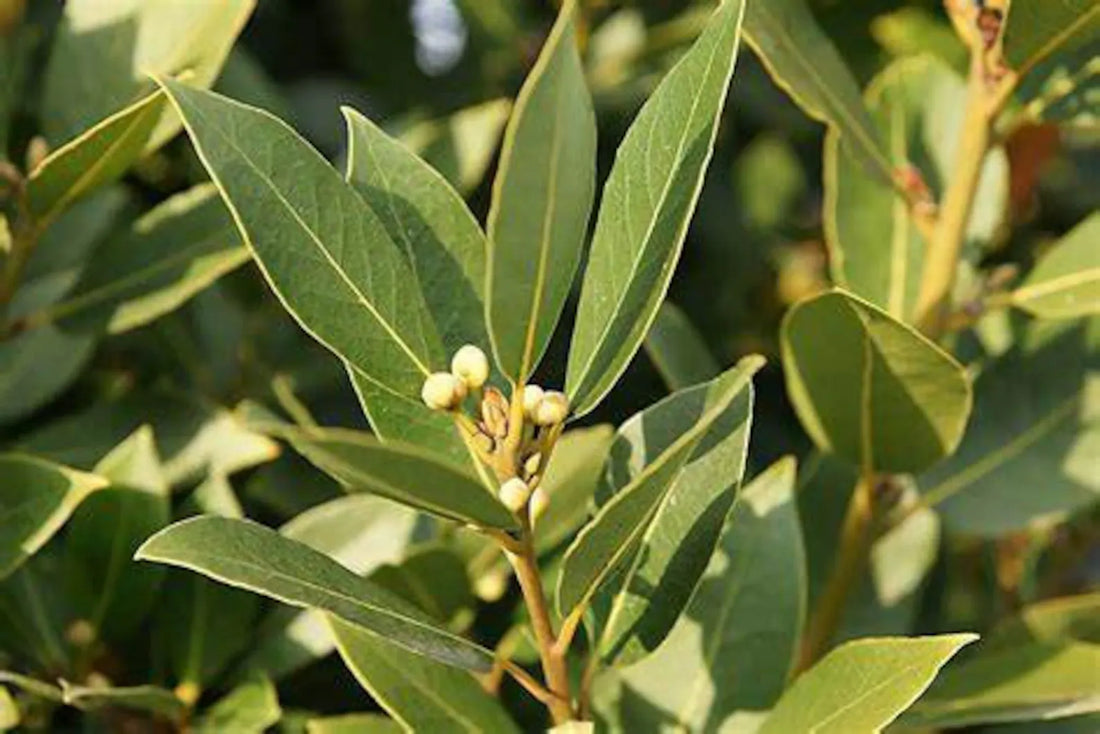
Bay Leaf Laurus nobilis Bay Laurel Sweet Bay Tree
Bay Leaf Laurus nobilis Bay Laurel Sweet Bay TreeSweet Laurel Bay Leaf is a useful addition in a herb garden and makes a great privacy hedge plant. It is an evergreen shrub that is native to the Mediterranean. The leaves are aromatic and are frequently used in soups and pasta. Sweet Bay is fairly easy to grow and does best in full sun to partial shade. Well draining soil is best for this plant, and it needs to be protected form freezing weather. Sweet Bay makes a great landscape plant, because it can pruned into a topiary and also used as a decorative hedge.
Learn more
Surinam Cherry: A Complete Guide for Tropical Fruit Lovers
The Surinam cherry (Eugenia uniflora) is a compact tropical fruit tree celebrated for its bright, tart-sweet berries and striking foliage. Beyond its flavorful fruit, it holds cultural, ecological, and culinary importance throughout its native South America and the Caribbean. Highly adaptable, this resilient tree thrives in a range of climates and garden settings, from backyard landscapes to container patios, making it a versatile choice for gardeners and tropical fruit enthusiasts alike. 1. Surinam Cherry: History, Origins, and Global Cultivation The Surinam cherry (Eugenia uniflora) is a small but remarkable tropical fruit tree, valued as much for its vibrant berries as for its cultural and ecological significance. Native to eastern South America—Brazil, Uruguay, Paraguay, and parts of Argentina—it thrives along riverbanks and forest edges, where Indigenous communities long relied on its fruit for food and its leaves and bark for traditional remedies. European settlers introduced the tree to the Caribbean and other tropical regions, where it adapted quickly, becoming a common feature in home gardens, small orchards, and community plantings. Today, Surinam cherry grows across the Caribbean, Florida, and parts of Asia, offering gardeners both ornamental beauty and practical fruit production. Its ribbed, glossy berries range from bright red to deep purple when fully ripe, balancing tart and sweet flavors that are prized fresh, in jams, or in beverages. Compact yet prolific, the tree suits backyard gardens, patios, and even containers, making tropical fruit accessible to urban gardeners. Beyond its culinary appeal, it supports wildlife, attracting birds and pollinators, and contributes to biodiversity. With its resilience, versatility, and rich history, Surinam cherry stands out as a tropical fruit that is both flavorful and meaningful, bridging heritage, garden utility, and ecological value in every harvest. 2. Container and Patio Growing of Surinam Cherry Trees Despite being a medium-sized tree, Surinam cherry adapts remarkably well to containers, making it ideal for patios, balconies, and urban gardens. Pruning keeps the tree manageable, while a deep, well-draining pot supports root growth. For best results, choose full sun, maintain consistent but moderate watering, and use nutrient-rich soil. Container-growing allows gardeners without large yards to enjoy fresh tropical fruit, while also providing flexibility to move the tree indoors or under protection during cooler months. Its versatility makes it a favorite for urban edible landscaping projects. [productList] 3. Propagation Methods for Surinam Cherry: Seeds vs. Cuttings The Surinam Cherry is most commonly propagated from seed—the seeds germinate in three to four weeks under ideal conditions. However, seedlings can show more variation in fruit quality and may take longer to produce. Vegetative methods (cuttings and grafting) are used when uniform fruit quality and faster production are desired. Semi‑hardwood cuttings can be rooted, though success rates vary, and grafting clones onto selected rootstock has been explored for elite cultivars. Your choice depends on your goals: Seeds: Good for genetic diversity, experimentation, and patience. Cuttings or grafts: Better for consistency of fruit traits and earlier harvests, though they require more skill and may involve lower success rates. 4. Surinam Cherry in Traditional Medicine and Folk Remedies Historically, Surinam cherry has played a role in folk medicine across South America and the Caribbean. Leaves, bark, and fruit were used in teas, poultices, or decoctions to address digestive discomfort, inflammation, and minor infections. While modern clinical research is limited, these traditional uses highlight the plant’s dual role as both food and natural remedy, underscoring its cultural significance and illustrating the close relationship between tropical plants and local wellness practices. 5. Climate Adaptability: Can You Grow Surinam Cherry Outside the Tropics? Although Surinam cherry prefers tropical conditions, it can adapt to subtropical and temperate regions with careful management. The tree can survive in greenhouses or indoors through colder months, while outdoor plantings in cooler climates may require frost protection and mulching. Its moderate drought tolerance, rapid growth, and ability to fruit multiple times a year make it suitable for hobbyists in a range of environments. Success outside the tropics depends on monitoring sunlight, temperature, and soil moisture, but with attention, gardeners can enjoy this tropical treat even in marginal zones. 6. The Unique Flavor Profile of Surinam Cherry The Surinam cherry’s taste is a defining feature. Small, ribbed berries transition from green to bright red and then dark purple as they ripen. The flesh combines tartness with sweet notes, often with a resinous, aromatic undertone. Ripeness is key: underripe fruits are sour and crisp, while fully ripe berries develop more sweetness and depth. The flavor’s intensity makes it ideal for jams, sauces, beverages, or fresh eating, though it can be an acquired taste. Varieties with darker fruits generally produce sweeter, less astringent berries. 7. Wildlife and Pollinator Relationships with Surinam Cherry Surinam cherry is valuable for local wildlife. Birds and mammals eat the berries, assisting seed dispersal, while bees and other pollinators are drawn to its small, fragrant flowers. In addition to supporting biodiversity, the tree’s fruiting habits provide consistent resources for wildlife, making it a practical choice for edible landscaping that also encourages ecological balance. However, in some regions, its ability to form dense thickets can lead to invasive tendencies, which gardeners should monitor carefully.
Learn more