


Blogs

Papaya Tree Care: How to Grow, Maintain, and Harvest Papayas at Home
A fast-growing tropical fruit tree that can produce within its first year — papaya tree care centers on warmth, drainage, nutrition, and proper pollination. Sun: 6–8 hrs full sun Soil: Sandy loam, pH 5.5–7.0 Fruits in: 6–9 months FRUITS FORM DIRECTLY ON TRUNK Fruit clusters low on the trunk beneath a crown of large palmate leaves Papaya tree care centers on warmth, drainage, nutrition, and proper pollination. The papaya plant, botanically known as Carica papaya, is a fast-growing tropical fruit tree that can produce within its first year under ideal conditions. Because it grows quickly and fruits early, it attracts home gardeners across tropical and subtropical climates. 01How to Grow Papaya from Seed Successfully Growing papaya from seed is the most common and accessible propagation method. Seed handling, soil warmth, and drainage determine early success more than any other factor. How do you grow papaya from seed at home? Start with seeds from a fully ripe fruit. The gelatinous coating around each seed contains natural germination inhibitors, so rinsing and lightly drying the seeds for about a day improves sprouting rates. Sow seeds about half an inch deep in loose, well-draining soil. Soil temperature should stay between 75 and 85°F for optimal germination. Keep the soil consistently moist but never saturated. Under warm conditions, seedlings typically emerge within two to three weeks. How long does it take for papaya seeds to germinate? Papaya seeds usually germinate in 14 to 21 days when soil temperatures remain above 70°F. Germination slows significantly in cooler soil. Soil warmth has a stronger influence on sprouting than air temperature, which is why bottom heat often improves results in marginal climates. What is the best soil for papaya trees? Papaya trees prefer well-draining sandy loam with a pH between 5.5 and 7.0. Drainage is critical because papaya roots are shallow and sensitive to oxygen deprivation. Waterlogged soil commonly leads to root diseases such as Phytophthora root rot. In heavy clay areas, raised beds greatly improve survival and long-term productivity. Can papaya trees grow in pots? Papaya can grow in large containers of at least 15 to 25 gallons. Dwarf or compact varieties perform best in pots. Container-grown trees require full sun, frequent feeding, and careful moisture control. Because root systems are restricted, yields may be lower than in-ground plantings, though fruit production is still possible in warm climates. How much sunlight does a papaya tree need? Papaya requires full sun exposure for at least six to eight hours daily. Continuous sunlight supports strong flowering, fruit development, and disease resistance. Reduced light leads to weak growth and lower fruit production. Quick Reference Botanical nameCarica papaya Soil pH5.5–7.0, well-draining Germination14–21 days above 70°F Time to fruit6–9 months (tropical) Yield30–100 fruits/year Productive lifespan3–5 years 02Papaya Tree Maintenance, Fertilizer, and Common Problems Papaya grows rapidly and demands consistent nutrition. Balanced fertilization and proper watering practices directly affect fruit size, sweetness, and overall yield. How often should you water a papaya tree? Young papaya plants need steady moisture during establishment. Mature trees benefit from deep watering once or twice per week in dry weather. The soil should remain evenly moist but never soggy. Excess water increases the risk of root rot, which is one of the most common causes of tree decline. What is the best fertilizer for papaya trees? Papaya trees are considered heavy feeders. During early growth, a balanced fertilizer such as 10-10-10 or 14-14-14 supports vegetative development. Once flowering begins, slightly higher potassium levels improve fruit formation and quality. Small, regular applications every four to six weeks during active growth are commonly recommended. Magnesium and boron also support proper flowering and fruit set. Why are my papaya tree leaves turning yellow? Yellowing leaves often indicate nutrient deficiencies or drainage issues. Nitrogen deficiency typically causes uniform yellowing of older leaves. Magnesium deficiency appears as yellowing between veins. Overwatering and root disease can also cause discoloration. Evaluating soil drainage is usually the first step before adjusting fertilization. Do papaya trees need pruning? Papaya trees do not require structural pruning. Removing damaged or diseased leaves improves airflow and reduces pest pressure. Some growers cut the main stem to encourage branching, though this may change the typical trunk-based fruiting pattern. How do you protect papaya trees from pests and diseases? Common pests include aphids, spider mites, whiteflies, and fruit flies. Papaya ringspot virus, transmitted by aphids, is one of the most serious diseases and has no cure. Maintaining plant health through proper nutrition and airflow reduces vulnerability. Removing infected plant material promptly and using appropriate organic or conventional controls when necessary helps limit spread. Note: Papaya ringspot virus has no cure — prevention through plant health, airflow, and prompt removal of infected material is the only defense. 03Papaya Flowering, Pollination, and Fruit Production Understanding papaya plant sex is essential for fruit production. Papaya plants may be male, female, or hermaphrodite, and this determines whether fruit will develop. How can you tell if a papaya tree is male or female? Male trees produce long stalks with clusters of small flowers. Female trees develop larger flowers close to the trunk. Hermaphrodite trees produce bisexual flowers and can self-pollinate. For home gardens, hermaphrodite plants are often preferred because they reliably produce fruit without requiring a second tree. Do you need two papaya trees to produce fruit? Female trees require pollen from a male or hermaphrodite plant. Hermaphrodite trees are self-fertile and can produce fruit independently. Planting multiple seedlings increases the likelihood of obtaining at least one fruit-bearing plant. Why is my papaya tree flowering but not producing fruit? A tree may be male and incapable of fruiting. Poor pollination, excessive nitrogen fertilizer, micronutrient deficiencies such as boron, or temperature stress can also interfere with fruit set. Growth slows and flowering declines when temperatures fall below 59°F. How long does it take for a papaya tree to bear fruit? In tropical climates, papaya can begin producing within six to nine months after planting. In slightly cooler regions, fruiting may take up to one year. Most trees remain highly productive for three to five years before yields gradually decline. 04Harvesting Papayas and Maximizing Yield Harvest timing influences sweetness, texture, and shelf life. Proper fertilization and sunlight exposure determine total annual production. When is the best time to harvest papayas? Papayas are ready to harvest when approximately one quarter to one half of the fruit surface turns yellow. At this stage, the fruit will continue ripening off the tree at room temperature. Fully green fruit is often harvested earlier for use in savory dishes. How do you harvest papaya fruit properly? Use a sharp knife or pruning shears to cut the fruit, leaving a short stem attached. Pulling or twisting fruit can damage the trunk and reduce future productivity. How many papayas can one tree produce? A healthy papaya tree may produce between 30 and 100 fruits per year depending on variety, sunlight, fertilization, and climate conditions. Consistent feeding and strong sun exposure significantly improve yield.
Learn more
Cherry of the Rio Grande (Eugenia involucrata) Care Guide
Cherry of the Rio Grande is gaining attention among tropical fruit growers for its compact size, attractive foliage, and flavorful fruit. Climate: 18–32°C Height: 10–20 ft unpruned Fruits in: 2–6 years GREEN TURNING DEEP RED FULLY RIPE Fruit ripens from green to deep red to almost black — color is the clearest sign it's ready Native to southern Brazil, Eugenia involucrata belongs to the Myrtaceae family, alongside guava and jaboticaba. It is well-suited to subtropical and warm-temperate gardens, where it can be grown as a backyard fruit tree or even in containers. 01What Is Cherry of the Rio Grande? Botanical Profile, Fruit Structure, and Flavor What is Cherry of the Rio Grande? Cherry of the Rio Grande (Eugenia involucrata) is an evergreen fruit tree native to Brazil, Uruguay, and parts of Paraguay. It produces glossy, dark green leaves and small white flowers typical of Myrtaceae species. The fruit is oval to slightly elongated, ripening from green to deep red or almost black when fully mature. Inside is a single large seed surrounded by soft, juicy pulp. Is Cherry of the Rio Grande a real cherry? It is not related to true cherries from the genus Prunus. Instead, it belongs to the Myrtaceae family, which includes other tropical fruits such as pitanga (Eugenia uniflora) and jaboticaba (Plinia cauliflora). The name comes from its cherry-like size, color, and flavor rather than botanical classification. What does Cherry of the Rio Grande taste like? The flavor is sweet with mild acidity, often described as a blend of cherry, plum, and sometimes grape. Fully ripe fruits develop a deeper sweetness and softer texture, while underripe fruits tend to be more tart and less aromatic. The skin is thin and edible, and the pulp has a smooth consistency. 02Ideal Growing Conditions: Climate, Soil Chemistry, and Light Exposure Environmental conditions directly influence growth rate, flowering, and fruit quality. Where does Cherry of the Rio Grande grow best? It grows best in subtropical to tropical climates with temperatures ranging from 18°C to 32°C. The plant tolerates light frost once established, typically down to about -3°C for short periods, though young plants are more sensitive. It performs well in regions with moderate humidity and consistent rainfall or irrigation. What type of soil does Cherry of the Rio Grande need? The tree prefers well-draining soil rich in organic matter, with a slightly acidic to neutral pH between 5.5 and 7.0. Good drainage is essential, as waterlogged conditions can lead to root rot. Sandy loam or amended garden soil with compost improves aeration and nutrient availability. How much sunlight does Cherry of the Rio Grande need? Full sun supports optimal flowering and fruit production, though the plant tolerates partial shade. In very hot climates, light afternoon shade can reduce leaf stress and moisture loss. Young plants benefit from filtered light until they are fully established. 03Growth Rate, Mature Size, and Fruiting Timeline How fast does Cherry of the Rio Grande grow? Growth is generally slow to moderate. In the first few years, energy is directed toward root establishment. With consistent care, growth becomes steadier, especially in warm climates with adequate nutrition and water. How big does Cherry of the Rio Grande tree get? In open ground, it can reach 10 to 20 feet tall with a dense, bushy canopy. With pruning, it is commonly maintained at 6 to 10 feet for easier harvesting. The plant naturally forms a multi-branched structure, making it suitable for hedge-style growth or small orchard layouts. How long does it take for Cherry of the Rio Grande to fruit? Seed-grown plants typically begin fruiting in 4 to 6 years. Grafted trees or mature nursery plants may fruit sooner, sometimes within 2 to 3 years. Flowering usually occurs in spring, followed by fruit development over several weeks. Quick Reference Botanical nameEugenia involucrata Native rangeBrazil, Uruguay, Paraguay FamilyMyrtaceae (guava, jaboticaba) Ideal temperature18–32°C Frost toleranceShort periods to -3°C, once established Soil pH5.5–7.0 04Propagation Methods and Container Growing Strategies Propagation technique influences genetic consistency, fruit quality, and time to harvest. Can you grow Cherry of the Rio Grande in a pot? Yes, it adapts well to container culture. A large container with drainage holes and a well-aerated soil mix supports healthy root growth. Container-grown plants require more frequent watering and periodic fertilization due to limited soil volume. How do you propagate Cherry of the Rio Grande? Propagation is most commonly done by seed, which germinates reliably when fresh. Seeds should be planted soon after extraction, as viability decreases with drying. Vegetative methods such as cuttings or grafting are also used to preserve desirable traits and reduce time to fruiting. 05Watering, Nutrition, and Seasonal Care Consistent care practices are key to maintaining plant health and supporting fruit production. How often should you water Cherry of the Rio Grande? The plant prefers evenly moist soil, particularly during flowering and fruit development. Deep watering is recommended when the top few centimeters of soil dry out. Mulching helps retain moisture and stabilize soil temperature. Does Cherry of the Rio Grande need fertilizer? Fertilization supports steady growth and fruiting. A balanced fertilizer with nitrogen, phosphorus, and potassium encourages overall plant health. Organic options such as compost or slow-release fertilizers improve soil structure and nutrient availability over time. Good to know: Mulching does double duty here — it retains soil moisture and helps stabilize soil temperature around the root zone. 06Flowering, Fruiting, and Harvesting Practices Understanding the fruiting cycle improves yield and ensures better flavor. When does Cherry of the Rio Grande fruit? Flowering typically occurs in spring, followed by fruit ripening in late spring to early summer. In warmer climates, additional flowering cycles may occur, leading to multiple harvests in a year. How much fruit does Cherry of the Rio Grande produce? A mature tree can produce a moderate but consistent yield. Productivity increases with age and proper care, including pruning and fertilization. Fruit production may vary depending on climate, pollination conditions, and plant health. 07Common Problems, Pests, and Growth Challenges Is Cherry of the Rio Grande easy to grow? It is considered relatively easy for growers familiar with tropical or subtropical fruit trees. Its adaptability to different soil types and moderate pest resistance make it a practical choice for home gardens. What are common problems with Cherry of the Rio Grande? The most common issues include slow growth due to nutrient deficiencies, leaf drop from inconsistent watering, and root problems caused by poor drainage. Occasional pests such as aphids, scale insects, or fruit flies may appear, though infestations are usually manageable with basic garden care. Is Cherry of the Rio Grande worth growing? Cherry of the Rio Grande is valued for its combination of ornamental appeal and edible fruit. It fits well in small gardens, container setups, and edible landscapes. The fruit can be eaten fresh or used in jams, jellies, and desserts. Its manageable size and adaptability make it a strong choice for growers interested in uncommon tropical fruit species. Want This in Your Own Garden? If patience isn't part of the plan, we've got plants ready to plant today — browse the full collection. Browse Our BESTSELLERS! Blossomdale · Landscape Plants for Desert & Native Gardens
Learn more
Pakistan Mulberry Tree: Growth, Care, and Benefits
The Pakistan Mulberry Tree (Morus nigra) is a prized fruit tree known for its large, sweet berries, ornamental appeal, and adaptability. Perfect for home gardens and orchards, it produces juicy, ruby-red-purple fruits that can be eaten fresh or processed into jams, desserts, and sauces. This guide addresses the most common questions on growth, care, pruning, propagation, flavor, culinary uses, health benefits, ecology, and economic importance. How to Grow and Care for a Pakistan Mulberry Tree How do you grow a Pakistan mulberry tree?Plant in full sun with well-draining fertile soil. Water moderately, especially during establishment. Mulch around the base to retain moisture and regulate soil temperature. Fertilize in early spring for optimal growth and fruiting. What are the care requirements for a Pakistan mulberry tree?Regular watering during dry periods, annual fertilization, pruning for shape, and pest monitoring are essential. Once established, the tree tolerates heat, drought, and varied soil types. How do you prune a Pakistan mulberry tree?Prune after fruiting or in late winter to remove dead, crowded, or crossing branches. This improves sunlight penetration, air circulation, and fruit quality. How do you propagate Pakistan mulberry tree cuttings?Take softwood cuttings in late winter or early spring. Dip in rooting hormone and plant in well-draining soil. Keep moist with indirect light until roots develop, usually 4–6 weeks. What soil type is best for a Pakistan mulberry tree?Loamy or sandy well-drained soil with slightly acidic to neutral pH (6.0–6.5) is ideal. Mulching helps retain moisture and regulate soil temperature. Does a Pakistan mulberry tree require full sun?Yes, full sun is optimal for healthy growth and abundant fruiting. Partial shade may reduce yield, though the tree survives. How fast does a Pakistan mulberry tree grow?This is a fast-growing tree, reaching 10 feet within 3 years under favorable conditions. Growth depends on soil fertility, sunlight, and watering. Which USDA zones can a Pakistan mulberry tree grow in?Thrives in USDA zones 6–10, tolerating temperate to warmer climates. Young trees may require frost protection in colder areas. The Flavor Profile of Pakistan Mulberries: What Makes Them Unique? What is a Pakistan mulberry tree?A cultivar of Morus nigra known for large, firm, sweet berries. Its self-fertile nature and robust flavor make it a favorite among gardeners and culinary enthusiasts. Are Pakistan mulberry fruits edible?Yes. They are sweet and juicy, ideal for fresh eating, desserts, jams, sauces, and beverages. Rich in vitamins, antioxidants, and fiber, they provide both nutrition and culinary versatility. How long does it take for a Pakistan mulberry tree to bear fruit?Typically 2–3 years, with peak production reached after 5–6 years under proper care. Culinary Traditions Using Mulberries in South Asia and Beyond Are Pakistan mulberry fruits edible?These fruits are widely used in traditional desserts, syrups, and jams across South Asia. They are also valued globally in smoothies, fruit salads, and sauces. Nutritional and Health Benefits of Pakistan Mulberries What are the benefits of planting a Pakistan mulberry tree?Benefits include nutritional value, antioxidants, dietary fiber, and potential immune system support. Eating the fruit contributes to digestive health and overall wellness. Pakistan Mulberries in Herbal Medicine and Folk Remedies What are the benefits of planting a Pakistan mulberry tree?Historically, mulberries have been used to support digestion, reduce inflammation, and regulate blood sugar. Leaves and bark have also been used in traditional remedies. Wildlife and Ecological Benefits of Growing Mulberry Trees What are common pests and diseases of Pakistan mulberry trees?Common issues include mulberry leaf spot, scale insects, aphids, and powdery mildew. Proper pruning, airflow, and monitoring reduce risks. How frost-tolerant is a Pakistan mulberry tree?Tolerates light frost in USDA zones 6–10. Young trees are more sensitive and benefit from mulching or wrapping in colder climates. The Economic Importance of Pakistan Mulberries How long does it take for a Pakistan mulberry tree to bear fruit?Fruit is market-ready 2–3 years after planting, supporting both small-scale and commercial production. Are Pakistan mulberry fruits edible?Edible fruits have high economic value in fresh markets and processed products like jams and syrups, providing income opportunities for growers.
Learn more
Transform Your Yard with Edible Landscaping: Sustainable Gardening Made Easy
Edible landscaping is the art of combining beauty and productivity in your garden. By incorporating fruits, vegetables, and herbs into visually appealing designs, you can create a sustainable, low-maintenance, and nutritious outdoor space. From small patios to larger yards, edible landscaping provides food, supports pollinators, and reduces grocery costs while enhancing your property’s charm. Best Edible Plants for Small Spaces Maximizing limited space requires choosing compact, high-yield plants that thrive in containers or tight garden beds. What are some edible landscaping ideas for small yards? Small spaces can still be productive. Herbs like basil, rosemary, and thyme are ideal for containers or window boxes, while dwarf fruit trees, strawberries, and compact leafy greens can flourish in raised beds or vertical planters. What are the easiest plants to grow for edible landscaping? Fast-growing herbs (basil, mint), salad greens (lettuce, arugula), and small berries (strawberries, blueberries in containers) are beginner-friendly and rewarding. Can edible landscaping work in small spaces? Yes. Strategic vertical gardening, container planting, and dwarf varieties make it possible to enjoy fresh produce even in urban yards or balconies. [productList] Soil Health & Composting Tips for Edible Gardens Healthy soil is the foundation of a thriving edible landscape. Nutrient-rich, well-draining soil encourages strong growth and higher yields. What Are Sustainable Gardening Tips for Growing Edible Plants? Improve soil health by incorporating compost, aged manure, and organic mulch to boost fertility and soil structure. Rotate crops regularly and include nitrogen-fixing plants like peas to support long-term soil health and reduce nutrient depletion. How Does Companion Planting Benefit Edible Landscapes? Companion planting pairs compatible crops to reduce pests, encourage healthy growth, and improve yields. For example, planting basil near tomatoes can enhance flavor while naturally deterring common insects. How do I maintain an edible landscape with minimal effort? Regular mulching, strategic crop rotation, and using perennial edibles reduce maintenance while sustaining soil nutrients. How do I use companion planting in an edible garden? Interplant herbs, flowers, and vegetables with natural pest-repelling qualities to boost productivity and garden health. [productList] Planning Your Edible Landscape for Year-Round Harvest Designing with seasonal crops ensures you have fresh produce throughout the year. How Do You Create an Edible Landscape at Home? An edible landscape combines design and productivity by planning planting schedules for cool- and warm-season crops. Staggered sowing extends harvest periods, while perennials such as asparagus, rhubarb, and berry bushes provide reliable, long-term food sources. How Can You Integrate Herbs Into Garden Design? Herbs like oregano, thyme, and lavender can be woven into flower beds and borders to add fragrance, visual interest, and practical value. This approach supports pollinators while keeping culinary herbs easily accessible. Which fruits, vegetables, and herbs are best for sustainable gardening? Choose regionally adapted varieties, low-water crops, and perennials. Strawberries, kale, Swiss chard, dwarf citrus, and culinary herbs thrive in most climates and support a continuous harvest. How do I combine aesthetics and productivity in an edible garden? Layer plants by height, color, and texture. Use trellises for climbing crops, borders for low-growing herbs, and intersperse ornamentals to create visual appeal while maintaining functionality. [productList] Cost vs. Yield: Calculating the Economics of Growing Your Own Food Edible landscaping is not only environmentally smart but financially rewarding. Is Edible Landscaping Budget-Friendly? Edible landscaping can be started affordably using seeds, small plants, or containers. Over time, growing your own vegetables and herbs helps lower grocery costs, making it a cost-effective long-term garden approach. How much does it cost to start an edible landscape? A basic garden with raised beds, soil amendments, and starter plants may cost a few hundred dollars, but the return on investment comes through reduced food expenses and year-round harvests. Sustainability Practices in Edible Landscaping Integrating eco-friendly practices amplifies the benefits of edible landscaping for both your garden and the environment. What Are the Health and Environmental Benefits of Edible Landscaping? Edible landscapes support personal health by providing fresh, nutrient-rich produce and benefit the environment by reducing food transportation emissions. They also encourage organic growing practices and support pollinators such as bees and butterflies. What is edible landscaping and why is it beneficial? It blends aesthetics with sustainability, providing food, enhancing biodiversity, and creating a resilient ecosystem in your own backyard. [productList] Design Tips: Blending Ornamentals with Edibles for Beauty and Function A thoughtfully designed edible garden combines flowers and edibles for year-round visual interest and productivity. How Do You Design an Aesthetically Pleasing Edible Garden? An attractive edible garden blends flowering plants like marigolds, nasturtiums, or lavender with vegetables and herbs. Using color, height variation, and layered planting creates visual balance while attracting beneficial insects and pollinators. How do I combine aesthetics and productivity in an edible garden? Prioritize plant placement for sun, bloom timing, and complementary colors. Consider vertical structures, borders, and container arrangements to maximize both visual appeal and yield.
Learn more
Red Candy Lingonberry Plant: A Guide to Growing and Harvesting
Red Candy lingonberry is the kind of plant that quietly earns its place in a garden. It stays low, spreads gently, and produces bright red berries that stand out against deep green leaves. Zones: USDA 2–7 Height: 6–12 in Harvests: 2 per season SPRING FLOWERS MID–LATE SUMMER FOLIAGE REGROWS EARLY FALL Red Candy often produces two harvests in one season — one in summer, another in early fall Gardeners often appreciate it for two reasons at once. The plant looks tidy year-round, and it offers a reliable harvest of tart berries that have long been used in Scandinavian kitchens. Botanically known as Vaccinium vitis-idaea, lingonberries belong to the same group of plants as blueberries and cranberries. The Red Candy cultivar gained popularity because it produces consistent crops and adapts well to home gardens in cooler climates. Learning how this plant grows and what it needs allows gardeners to enjoy both its ornamental appeal and its edible fruit. 01Understanding the Red Candy Lingonberry Plant Before planting lingonberries, it helps to become familiar with how the plant behaves in a garden. Red Candy lingonberry grows slowly, forms neat mats of foliage, and produces berries that arrive in bright clusters. What is a Red Candy lingonberry plant? Red Candy lingonberry is a cultivated variety of Vaccinium vitis-idaea, a small evergreen shrub known for its red berries and glossy leaves. The plant stays close to the ground and spreads gradually through underground stems called rhizomes. In a garden setting, it often acts like a patient ground cover. It fills space little by little while producing clusters of berries that ripen into a deep red color. Are lingonberries the same as cranberries? Lingonberries and cranberries belong to the same plant family, yet they behave differently in nature. Cranberries grow on long trailing vines that prefer wet bog conditions. Lingonberries prefer well-drained soil and grow as compact shrubs. When tasted side by side, lingonberries carry a tart flavor with gentle sweetness, while cranberries remain noticeably sharper. How big does a Red Candy lingonberry plant grow? A Red Candy lingonberry plant usually reaches about 6 to 12 inches tall and spreads about 12 to 24 inches wide. Over time, the plant expands slowly underground and forms a soft carpet of foliage. Many gardeners appreciate this growth habit. The plant stays tidy without demanding much space, making it suitable for borders, woodland beds, or small edible gardens. 02Ideal Growing Conditions for Lingonberries Lingonberries come from northern forests where the air stays cool and the soil remains naturally acidic. When those same conditions appear in a garden, the plant settles in comfortably and begins to thrive. Where do lingonberries grow best? Lingonberries grow best in cool climates where summers remain moderate and winters provide a period of dormancy. Gardeners in USDA zones 2 through 7 often find that these plants adapt easily. In regions that resemble their natural northern habitats, lingonberries establish strong root systems and produce dependable crops. Do lingonberries need full sun or shade? Lingonberries enjoy sunlight but appreciate balance. In cooler climates, full sun encourages the plant to produce more flowers and berries. In areas with warmer summers, the plant often prefers gentle afternoon shade. A spot that receives several hours of sun each day usually provides the right environment. What type of soil do lingonberries need? Lingonberries are particular about soil acidity. They prefer soil with a pH between 4.5 and 5.5, similar to the soil conditions favored by blueberries. Gardeners often improve planting areas by adding peat moss, pine bark, or organic materials that help maintain acidic conditions. When the soil feels light, well-drained, and slightly acidic, the plant settles in and begins growing comfortably. Quick Reference Botanical nameVaccinium vitis-idaea ZonesUSDA 2–7 Height6–12 in Spread12–24 in Soil pH4.5–5.5 Fruits in2–3 years after planting 03Planting and Caring for Red Candy Lingonberries Once planted in the right soil, lingonberries develop into steady and dependable garden companions. They do not demand constant attention, yet a few simple care practices help them grow stronger each year. How do you plant Red Candy lingonberries? Planting usually happens in spring or early fall when temperatures remain mild. Gardeners typically space plants about 12 to 18 inches apart so they have room to spread. After placing the plant in prepared soil, a thorough watering helps settle the roots. Many gardeners add a layer of pine bark or needle mulch around the base. The mulch helps the soil stay cool and moist. How often should lingonberry plants be watered? Lingonberries prefer soil that stays gently moist. During dry periods, watering once or twice each week often provides enough moisture. Because the plant's roots sit close to the surface, mulch helps protect them from drying out. With steady moisture, the plant continues to grow and prepare for flowering. Do lingonberries spread or stay compact? Lingonberries spread slowly through rhizomes beneath the soil surface. Over time, new shoots appear near the parent plant and gradually form a dense mat of foliage. Gardeners often enjoy this gradual spread. The plant fills in empty spaces without becoming aggressive. Good to know: Because the roots sit close to the surface, a layer of pine bark or needle mulch does double duty — keeping soil cool, moist, and slightly acidic. 04Lingonberry Fruit Production and Harvest One of the most satisfying moments in growing lingonberries arrives when the berries begin to color. Small green fruit slowly transforms into bright red clusters that stand out against the glossy leaves. When do Red Candy lingonberries produce fruit? Red Candy lingonberries often produce two crops in a single growing season. The first harvest usually appears in mid to late summer, and a second harvest may develop in early fall. Before the berries form, the plant produces small bell-shaped flowers that range from white to pale pink. How long does it take for lingonberries to produce fruit? Lingonberries take patience during their early years. Most plants begin producing berries about two to three years after planting. As the plant matures, berry production increases. By the fourth or fifth year, many plants produce larger harvests each season. How do you know when lingonberries are ready to harvest? Lingonberries signal their readiness clearly. The berries turn a bright, glossy red and feel firm when gently pressed. At this stage, the fruit detaches easily from the plant and carries the balanced tart flavor that makes lingonberries popular in sauces and preserves. 05Growing Lingonberries in Containers and Small Gardens Not every gardener has room for large berry patches. Lingonberries adapt well to containers, making them suitable for patios, balconies, and compact garden spaces. Can you grow lingonberries in containers? Lingonberries grow comfortably in containers when planted in acidic potting mix similar to the soil used for blueberries. A container that is at least 12 inches wide provides enough space for the plant's roots. With regular watering and several hours of sunlight, container plants can produce berries just as garden plants do. How do you propagate lingonberry plants? Lingonberries naturally create new growth through their spreading rhizomes, which makes propagation straightforward. Gardeners often divide established plants in early spring. Each section that contains roots and shoots can be replanted into prepared soil. Over time, these divisions grow into new berry-producing plants.
Learn more
Pink Lemonade Blueberry: A Rare Fruit Plant for Home Gardens
Pink Lemonade blueberry stands out the moment it begins to ripen. Its berries shift from pale yellow to soft rose and coral tones, creating a look that feels almost ornamental. Gardeners enjoy its sweet, candy-like flavor and consistent growth habit, which make it a practical addition to small or large home gardens. Pink Lemonade Blueberry shrub has become a favorite at Blossomdale Plant Nursery because of how this variety bridges the worlds of ornamental and edible gardening. It’s proof that something practical can also be truly beautiful. What Is a Pink Lemonade Blueberry? Pink Lemonade is a specialty hybrid created from Northern Highbush and Rabbiteye genetics. This combination brings cold tolerance, steady vigor, and strong adaptability. Its unique berry color comes from its breeding and not from artificial modification, which contributes to the variety’s appeal among gardeners who enjoy growing uncommon fruit plants. Do Pink Lemonade Blueberries Really Taste Like Lemonade? The name refers to the fruit’s color rather than its flavor. Pink Lemonade berries taste sweet with a light, honeyed finish. They do not have citrus or lemon-like notes, and the flavor leans milder and less tart than many traditional blueberries. What USDA Zones Are Best for Pink Lemonade Blueberries? Pink Lemonade Blueberries thrive in USDA Zones 4 through 8. This range means the shrub can tolerate cold winter temperatures while still producing fruit reliably in areas with moderate warmth. In cooler zones, the plant benefits from the full sun exposure needed to encourage flowering and fruit set. In the warmer end of its range, especially in Zones 7 and 8, providing some afternoon shade can help prevent heat stress and leaf scorch, keeping the berries flavorful and the foliage healthy. [productList] How Big Do Pink Lemonade Blueberry Bushes Get? This variety matures at about three to four feet tall and wide, which makes it suitable for compact gardens, mixed borders, and container plantings. Its size helps gardeners incorporate it into landscapes without crowding surrounding plants. How Much Sunlight Does a Pink Lemonade Blueberry Plant Require? Full sun supports the plant’s best performance. Aim for six to eight hours of direct sunlight to encourage dense blooms and rich berry color. Cooler climates benefit from full exposure, while warmer regions can allow very light afternoon shade. Soil Acidity and Fertility: Why Pink Lemonade Blueberries Need Specific Conditions Blueberries are picky about one thing: soil. They need acidic, nutrient-rich, well-draining soil with a pH between 4.5 and 5.5. Anything higher, and the roots can’t absorb nutrients properly. Before planting, mix in peat moss, composted pine bark, or leaf mold to lower pH naturally. Avoid heavy clay, which traps moisture and suffocates roots. If you’re planting in pots, use a potting mix formulated for acid-loving plants, the same kind suitable for azaleas and camellias. Keeping your soil balanced is the secret to rich growth and vibrant fruit color. How Often Should You Water Pink Lemonade Blueberries? Provide consistent moisture without waterlogging the roots. Deep watering once or twice weekly is usually enough, depending on temperature and soil type. Container-grown plants dry faster and need closer monitoring. Mulch helps stabilize soil moisture and keeps roots cool. What Fertilizers Work Best for Pink Lemonade Blueberry Plants? Use fertilizers formulated for acid-loving plants. Controlled-release nitrogen sources work well because they support steady growth without forcing excess foliage at the expense of fruit. Apply in early spring and again in late spring if needed. Blueberry Varieties Guide: From Jewel to Pink Lemonade Blueberries come in many forms, and understanding the differences helps you grow the best kind for your climate. Southern Highbush varieties like Jewel and Misty thrive in warmer regions with short winters. They produce early and handle humidity well. Northern Highbush blueberries, such as Bluecrop and Patriot, prefer cooler climates and longer chill periods. Then there are specialty types like Pink Lemonade—a hybrid that combines the cold tolerance of Northern Highbush with the adaptability of Rabbiteye blueberries. This blend gives it both resilience and beauty. If you already grow Jewel, adding Pink Lemonade creates a diverse, staggered harvest season—and a striking contrast in the garden. Are Pink Lemonade Blueberries Self-Pollinating? Pink Lemonade is self-fruitful, though yields increase when pollinators are active. Its soft pink spring flowers attract bees naturally. Companion plants such as Jerusalem Sage, lavender, or Pineapple Guava help maintain regular pollinator activity around the shrubs, strengthening fruit set. What Pests or Diseases Affect Pink Lemonade Blueberries? Blueberries generally remain healthy when grown in acidic, well-drained soil. Birds are the most common issue as fruit begins to ripen. Poor drainage can cause root decline, and humid conditions occasionally encourage fungal problems. Adequate spacing, airflow, and careful watering help prevent most concerns. How Do You Prune a Pink Lemonade Blueberry Bush? Prune in late winter while the plant is dormant. Remove dead or weak stems, then shape the shrub by encouraging several strong canes. Opening the center to light improves airflow and steady berry production. Light annual pruning maintains plant vigor. Container and Small-Space Gardening with Pink Lemonade Blueberries Pink Lemonade adapts easily to containers at least 18 inches wide. Growing in pots offers full control over soil acidity and drainage. Containers can be moved to capture more sun, avoid strong winds, or protect the plant from late frost. Its compact size makes it a strong option for patios, balconies, and decorative edible groupings with herbs or foliage plants. When Do Pink Lemonade Blueberries Produce Fruit? Pink Lemonade ripens mid to late season. Flowers appear in spring, followed by berries that gradually shift from yellow to pink as summer progresses. Harvest often continues into early fall, extending the picking window beyond many traditional varieties. How Long Does It Take for a Pink Lemonade Blueberry Bush to Fruit? Most shrubs begin producing small harvests in their second or third year. As the plant matures, yields increase steadily, and established bushes deliver more consistent crops. Are Pink Lemonade Blueberries Genetically Modified? No. Pink Lemonade blueberries were developed through traditional breeding practices and are not genetically modified. Nutritional and Culinary Benefits of Pink Lemonade Blueberries Beyond their garden appeal, Pink Lemonade Blueberries are a treat for your table. They’re rich in vitamin C, antioxidants, and fiber, just like traditional blueberries, but have a unique, honeyed flavor. Their vibrant color makes them perfect for fresh desserts, salads, or homemade jams. You can also freeze them for smoothies or bake them into muffins for a pop of pink sweetness. If you love edible gardening, growing specialty varieties like Pink Lemonade adds a creative, flavorful touch to your harvest. Why Pink Lemonade Blueberry Deserves Space in Your Garden Pink Lemonade balances ornamental appeal, steady yields, and compact growth. It adapts to containers, supports pollinators, and fits neatly into home landscapes where beauty and practicality meet. For gardeners seeking a specialty fruit plant that performs consistently and stands out visually, this variety brings strong value to modern home gardens.
Learn more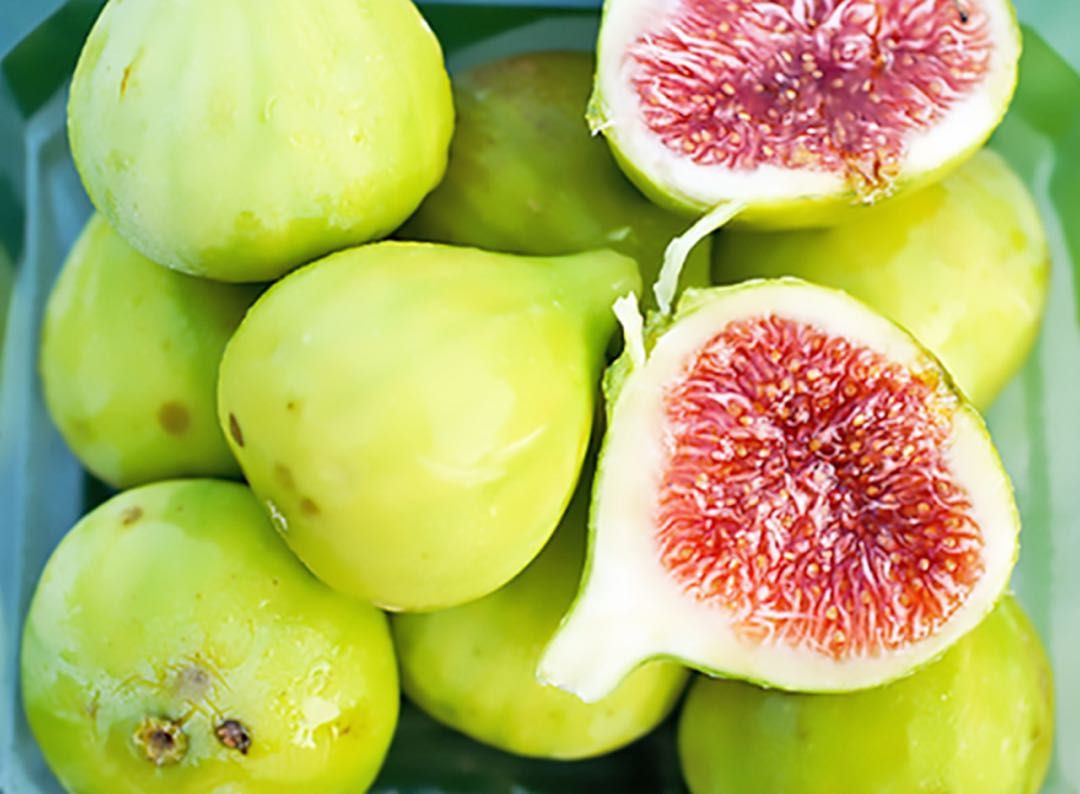
Strawberry Verte Fig Plant
Strawberry Verte Fig Plant Strawberry Verte fig plants are typically medium-sized trees, reaching a mature height of around 12-15 feet. They have a spreading habit and an open, airy canopy that allows for adequate sunlight penetration. The leaves of the tree are large and glossy, and possess a dark green pigment. In terms of the fruit, the figs produced by Strawberry Verte fig plants are of substantial size and take on a unique, elongated form. They are typically around 2-3 inches long and have a deep red or purplish-black hue. In opposition to several other fig types, the Strawberry Verte fig is predominantly known for its sweet, juicy flesh and high organic sugar content. Additionally, they are rich in vitamins and minerals, making them a nutritious inclusion to any diet. Strawberry Verte Fig Benefits One of the distinctive characteristics of Strawberry Verte fig plants is their ability to produce fruit twice a year. These trees are known as "breba" figs, meaning that they produce a small crop of figs on the previous year's wood in early summer before the main crop. As a result, additional figs develop on the current year's wood, hence, ripening in late summer or early fall. In this way, gardeners can enjoy a steady supply of fresh, sweet figs throughout the growing season. Those who reside in tricky climates will find great benefit in these fruit trees as well. Strawberry Verte fig plants are able to tolerate a wide range of temperatures and can survive in both hot and cold climates. They are also resistant to numerous common diseases and pests that often affect other types of fruit trees. Growing Tips In order to grow a healthy Strawberry Verte fig tree, it is important to plant it in well-drained soil that is lavish in organic matter. The tree should be placed in an area that receives full sun for at least six hours a day, with regular watering and fertilization. When it comes to pruning, it is best to wait until the tree has reached maturity. This will prevent potential damage to the tree and aid the plant in producing its maximum amount of fruit. In conclusion, Strawberry Verte fig plants remain a highly prized fruit tree, known for producing some of the sweetest figs in the world. They are hardy, easy to grow, and with proper maintenance, will produce an abundance of delectable fruit for many years to come.
Learn more
Benefits of Growing Chaya (Tree Spinach): Your Guide to This Easy-to-Grow Green
Chaya thrives where most leafy greens fail — producing nutrient-dense, edible leaves year-round in hot climates, with minimal care once established. Sun: Full sun Soil: Adaptable, well-draining Climate: Tropical–subtropical, frost-free PALMATE, LOBED LEAVES COOK 10–15 MIN BEFORE EATING Large, maple-like lobed leaves on a woody, fast-growing shrub Chaya (Cnidoscolus aconitifolius), commonly known as tree spinach or Mexican spinach, is a perennial leafy green native to southern Mexico and Central America. It has been cultivated for centuries as a staple vegetable due to its exceptional nutrient density, high productivity, and resilience in hot climates. Unlike many leafy greens that struggle in tropical heat, chaya thrives in warm conditions and produces edible leaves year-round. 01What Is Chaya? Chaya (Cnidoscolus aconitifolius) is more than just another leafy green. It is a long-established food plant in tropical regions, valued for both its productivity and nutritional density. What is chaya plant? Chaya (Cnidoscolus aconitifolius) is a perennial shrub in the Euphorbiaceae family, which also includes cassava. It is characterized by thick, woody stems and large, palmately lobed leaves that resemble maple leaves. The plant can reach 2 to 3 meters (6 to 10 feet) in height and forms a dense, bushy structure when regularly pruned. Is chaya the same as spinach? Chaya is not related to true spinach (Spinacia oleracea), which belongs to the Amaranthaceae family and is a cool-season annual. The term "tree spinach" refers to its similar culinary use rather than botanical classification. Chaya is adapted to tropical climates, while spinach prefers cooler temperatures. Can you eat chaya raw? Chaya leaves must never be eaten raw. They contain cyanogenic glycosides, compounds that can release hydrogen cyanide when plant tissue is damaged. Cooking the leaves for at least 10 to 15 minutes effectively breaks down these compounds, making them safe to consume. This preparation method is widely documented in traditional and modern food safety guidelines. 02Nutritional Composition and Documented Health Benefits Chaya is often described as a nutrient-dense leafy green, but its value goes beyond general claims. Its leaves contain measurable levels of essential vitamins, minerals, and plant compounds that support overall health. What are the health benefits of chaya? Chaya leaves are rich in essential nutrients, including vitamins A and C, calcium, iron, potassium, and dietary fiber. They also contain plant-based protein at higher levels than many leafy greens. These nutrients contribute to immune function, bone health, and overall nutritional balance. Is chaya more nutritious than spinach? Comparative analyses show that chaya can contain significantly higher levels of calcium, iron, and protein than spinach on a fresh weight basis. For example, chaya has been reported to contain several times more calcium and iron than spinach, making it particularly valuable in regions where nutrient deficiencies are a concern. Quick Reference Botanical nameCnidoscolus aconitifolius Also known asTree spinach, Mexican spinach FamilyEuphorbiaceae Mature height6–10 ft Ideal temperature20–35°C PropagationStem cuttings 03Growing Conditions Chaya's ability to thrive in challenging conditions is one of its strongest advantages. It is well adapted to heat, variable rainfall, and less-than-ideal soils. Understanding how climate, soil structure, and sunlight affect growth helps ensure consistent leaf production and long-term plant health. Where does chaya grow best? Chaya grows best in tropical and subtropical climates with temperatures between 20°C and 35°C. It is highly tolerant of heat and can survive extended dry periods once established. It does not tolerate frost and may die back if exposed to prolonged cold temperatures. What type of soil does chaya need? Chaya is adaptable to a wide range of soil types, including sandy, loamy, and moderately clay-rich soils, as long as drainage is adequate. While it can grow in poor soils, adding organic matter such as compost improves structure, nutrient availability, and overall plant vigor. How much sunlight does chaya need? Chaya performs best in full sun, which promotes faster growth and higher leaf production. It can tolerate partial shade, particularly in extremely hot environments, but reduced sunlight may slow growth. 04Growth Rate, Plant Structure, and Leaf Production One of the reasons chaya is widely grown is its ability to produce large amounts of edible leaves over time. Its growth habit, size, and response to harvesting all influence how productive it can be in a home garden. How fast does chaya grow? Chaya is a fast-growing shrub under warm conditions. Once established, it produces new shoots and leaves continuously, especially during periods of active growth supported by moisture and sunlight. How big does chaya plant get? Mature plants typically reach 6 to 10 feet in height, with a similar spread if not pruned. The plant develops a woody base and multiple branching stems, creating a dense canopy of leaves. How often can you harvest chaya leaves? Leaves can be harvested regularly once the plant is established, often every few weeks. Frequent harvesting encourages new growth and helps maintain a manageable plant size. 05Propagation and Establishment Techniques Chaya is one of the easiest edible plants to propagate, which makes it accessible for home gardeners and small-scale growers. How do you propagate chaya? Chaya is propagated almost exclusively through stem cuttings. Cuttings 20 to 30 cm long are planted directly into soil and root easily under warm, moist conditions. Seed propagation is rare due to limited seed production in cultivated varieties. 06Watering, Nutrient Management, and Long-Term Care Although chaya is known for being low-maintenance, proper care improves both plant health and leaf yield. How often should you water chaya? During the establishment phase, regular watering is needed to encourage root development. Once established, chaya becomes drought-tolerant and requires only occasional watering. Overwatering should be avoided to prevent root issues. Does chaya need fertilizer? Chaya can grow without fertilizer, but nutrient supplementation improves yield. Organic inputs such as compost or well-rotted manure enhance soil fertility and support continuous leaf production. 07Safety, Toxicity, and Proper Preparation Methods Chaya's safety profile is one of the most important aspects to understand before consumption. Is chaya toxic? Raw chaya contains cyanogenic glycosides, which can release toxic hydrogen cyanide. This is a natural plant defense mechanism. The toxicity is neutralized through proper cooking. How do you cook chaya safely? Chaya leaves should be boiled or cooked for at least 10 to 15 minutes before consumption. This process breaks down harmful compounds. It is recommended to avoid aluminum cookware, as plant compounds may react with the metal. Cooked chaya can be used in soups, stews, or sautéed dishes. Note: Chaya leaves must never be eaten raw — cook for at least 10–15 minutes to break down the plant's natural toxic compounds. 08Is Chaya Worth Growing? Chaya stands out as a long-term food plant that combines ease of care with consistent yield. For gardeners looking to grow their own greens in warm climates, it offers both nutritional and practical benefits. Is chaya easy to grow? Chaya is considered one of the easiest perennial vegetables to grow in warm climates. Its tolerance to heat, drought, and varying soil conditions makes it suitable for low-maintenance gardening. Why should you grow chaya at home? Chaya provides a reliable, year-round source of nutrient-rich greens with minimal input. Its perennial growth habit reduces the need for replanting, and its high productivity makes it an efficient choice for home food production systems.
Learn more
Yellow Passion Fruit Plant Guide: Identification, Growth Habit, and Uses
Yellow passion fruit is a vigorous tropical vine grown for its aromatic fruit, ornamental flowers, and commercial value. This article focuses on identification, morphology, and mature growth traits. What is Yellow Passion Fruit (Passiflora edulis f. flavicarpa)? Yellow passion fruit is a tropical climbing vine belonging to the Passifloraceae family. It is a botanical form of Passiflora edulis distinguished by yellow fruit skin, strong vine vigor, and high acidity. It is widely cultivated in tropical and subtropical regions for fresh fruit and juice production. What does Yellow Passion Fruit look like as it grows? The plant produces long, fast-growing vines with tendrils that attach to trellises or supports. Leaves are glossy, deep green, and typically three-lobed. Flowers are large, fragrant, and showy, featuring white petals with purple and blue corona filaments. Fruit develops after successful pollination. How large does a Yellow Passion Fruit vine grow? A mature yellow passion fruit vine commonly grows 15 to 30 feet long in a single growing season under favorable conditions. With proper support and pruning, vines form dense canopies capable of covering trellises, fences, or arbors. Yellow Passion Fruit Native Range and Growing Conditions Understanding the plant’s origin helps explain its heat tolerance, water needs, and growth behavior. Where does Yellow Passion Fruit originate? Yellow passion fruit originates from tropical South America, particularly Brazil. It has since been widely distributed throughout tropical regions due to its adaptability, disease resistance, and commercial demand. What climate is best for growing Yellow Passion Fruit? Yellow passion fruit grows best in warm, humid tropical climates with consistent temperatures between 68°F and 86°F. It is sensitive to frost and is typically grown in USDA Zones 10 through 12, or as a protected plant in cooler regions. What soil conditions does Yellow Passion Fruit prefer? The vine prefers well-drained, fertile soils with a slightly acidic to neutral pH. Sandy loam soils rich in organic matter support strong root development and fruit production. Poor drainage increases the risk of root diseases. Yellow Passion Fruit Light, Water, and Establishment Needs Strong vine growth and fruiting depend on correct light exposure and consistent moisture. How much sunlight does Yellow Passion Fruit need? Yellow passion fruit requires full sun for optimal flowering and fruit production. A minimum of six to eight hours of direct sunlight per day is recommended to support vine vigor and consistent yields. How often should Yellow Passion Fruit be watered? Regular watering is essential, especially during flowering and fruit development. Soil should remain evenly moist but not waterlogged. Extended dry periods can lead to flower drop and reduced fruit set. Is Yellow Passion Fruit drought tolerant once established? Yellow passion fruit has low drought tolerance compared to many perennial fruit crops. Even established vines require consistent moisture to maintain fruit quality and prevent stress-related decline. Yellow Passion Fruit Pruning, Training, and Growth Management When is the best time to prune Yellow Passion Fruit vines? Pruning is best done after harvest or at the start of the warm growing season. Removing excess growth improves airflow, encourages productive lateral shoots, and reduces disease pressure. Does Yellow Passion Fruit need a trellis or support? Yes, yellow passion fruit vines require a strong trellis, fence, or arbor. The plant climbs using tendrils, and unsupported growth leads to tangled vines and reduced fruiting efficiency. How fast does Yellow Passion Fruit grow? Yellow passion fruit grows rapidly, often producing several feet of vine growth per month during warm conditions. This fast growth supports quick canopy establishment but requires regular pruning. Yellow Passion Fruit Pollination, Fruit Production, and Uses Fruit development depends on successful pollination and proper vine care. Does Yellow Passion Fruit need pollinators? Yellow passion fruit relies on pollinators for fruit set. Large bees, including carpenter bees, are the primary natural pollinators. In areas with limited pollinator activity, hand pollination may be necessary. How long does it take Yellow Passion Fruit to produce fruit? Yellow passion fruit typically begins producing fruit within 12 to 18 months from planting. Fruit matures approximately 70 to 80 days after flowering under optimal conditions. What are common uses for Yellow Passion Fruit? The fruit is widely used for fresh consumption, juice, desserts, sauces, and flavoring beverages. Yellow passion fruit is preferred for juice production due to its strong aroma, high acidity, and intense flavor.
Learn more
Katuk Sweet Leaf (Sauropus androgynus): Complete Guide to Growing, Uses, and Benefits
Katuk, also known as sweet leaf or Sauropus androgynus, is a fast-growing perennial leafy vegetable native to Southeast Asia. Valued for its tender leaves, subtle sweetness, and high nutritional content, Katuk has earned a spot in tropical gardens and kitchens across the region. This guide explores how Katuk compares to other perennial greens, how to grow it at home, its health benefits, culinary uses, and safety considerations. [productList] 1. Katuk vs Other Perennial Leafy Greens Katuk stands out in the tropical leafy green family for its rapid growth, tender leaves, and subtle sweet flavor. Compared to Moringa (drumstick tree), Katuk grows best in shaded, humid environments rather than dry, sunny conditions. Moringa leaves, while highly nutritious, have a slightly fibrous texture, whereas Katuk’s leaves remain soft even on mature plants, making them ideal for salads and quick stir-fries. Chaya, another perennial green, shares Katuk’s resilience but comes with a catch: its raw leaves contain toxic compounds and must always be cooked. Katuk, on the other hand, can be safely eaten raw in moderation, which makes it more versatile for fresh culinary applications. Okinawa spinach (Gynura crepioides) offers a similar leafy texture and mild taste, but its slower growth and lower leaf yield make it less practical for home gardeners seeking continuous harvests. Positioning Katuk alongside these greens highlights its strengths: a fast-growing, nutrient-dense perennial suitable for both cooking and raw preparations, while providing gardeners and food enthusiasts clear guidance for selection based on climate, culinary use, and harvest goals. 2. How to Grow Katuk Sweet Leaf in Home Gardens Growing Katuk at home is surprisingly simple if its basic needs are met. The plant prefers rich, well-draining soil and a location with partial shade. Full sun can stress the leaves and reduce flavor, while deep shade may slow growth. Katuk responds well to pruning, which encourages bushier growth and more harvestable leaves. Propagation is most successful through cuttings, planted in moist soil. Regular watering, occasional fertilization, and monitoring for pests like aphids or caterpillars will keep your Katuk thriving year-round. With proper care, a single plant can provide a steady supply of leaves for months. 3. Nutritional Value & Medicinal Uses of Katuk With its rich nutritional profile, Katuk is often celebrated as a tropical superfood. One cup of fresh leaves provides high levels of protein, iron, calcium, and vitamins A, C, and E. These nutrients support immune function, eye health, and bone strength. The leaves are also a source of antioxidants, which combat free radicals and promote overall wellness. Beyond nutrition, Katuk has traditional medicinal uses. In Southeast Asia, it is used to support lactation, boost energy, and soothe mild digestive issues. Some herbalists also employ Katuk for its anti-inflammatory and blood-sugar-regulating properties. Appreciating Katuk’s health perks requires a measure of caution. While it can be safely incorporated into daily meals, excessive raw consumption has been associated with rare respiratory issues. Cooking the leaves not only enhances digestibility but also preserves most of the key nutrients, making stir-fries, soups, and sautés the safest and most beneficial ways to enjoy Katuk. 4. Katuk Recipes & Culinary Uses Across Asia Culinary traditions across Southeast Asia showcase Katuk’s versatility. In Indonesia, it’s often stir-fried with garlic and chilies for a fragrant side dish. Malaysian soups and broths feature Katuk leaves for added nutrition and texture, while in the Philippines, they are incorporated into fresh salads, omelets, or simply sautéed as a healthy accompaniment. Experimenting with Katuk in different recipes not only highlights its delicate flavor but also strengthens appreciation for its cultural significance across Asian cuisines. 5. Katuk Safety: Health Benefits vs Potential Risks Katuk’s nutritional profile is impressive, but history reminds us that moderation matters. In the early 1990s, Taiwan experienced cases of bronchiolitis linked to excessive raw consumption of Katuk leaves. The underlying cause is believed to be compounds in the raw leaves that can become harmful in large amounts. Fortunately, proper preparation dramatically reduces risk. Cooking Katuk neutralizes these compounds, making it safe for daily consumption. Experts also recommend rotating it with other leafy greens in the diet and avoiding large amounts of raw leaves, particularly for vulnerable groups such as infants or those with pre-existing respiratory conditions. By addressing both benefits and risks, home gardeners and culinary enthusiasts can enjoy Katuk with confidence. This balanced perspective strengthens credibility, ensuring readers see the plant not just as a “superfood,” but as a practical, culturally rich, and safely consumable ingredient. Conclusion Katuk Sweet Leaf is more than a nutritious perennial green—it’s a culinary and cultural treasure with practical gardening appeal. Understanding how it compares to other tropical greens, growing it properly, appreciating its health benefits, and respecting its safety guidelines creates a well-rounded foundation for enjoying this remarkable plant.
Learn more
A Definitive Guide to Purple Tree Collards
Purple Tree Collards are perennial collard plants that grow on a woody, tree-like stem, allowing them to reach several feet tall and produce edible leaves over multiple years. Unlike annual collards that must be replanted each season, Purple Tree Collards provide continuous harvests year-round, making them a practical choice for home gardens, permaculture systems, and food forests. They are typically propagated from cuttings rather than seed, which preserves desirable traits and ensures consistent plant performance. Identified by their purple-tinged stems and veins, Purple tree Collards are known for strong cold tolerance, vigorous regrowth after harvest, and long-term productivity. With documented cultivation history in California and the southern United States, Purple Tree Collards are widely regarded as a resilient perennial leafy green suited for sustainable and low-maintenance gardening. Why Gardeners Love Purple Tree Collards as a Perennial Green Can Purple Tree Collards survive winter? Established plants tolerate light frost and can continue producing edible leaves during mild winter conditions. This resilience allows gardeners to maintain a reliable food source when other greens slow down. Purple Tree Collard USDA Zone Map: What Growing Zones Are Best? These plants are most successful in USDA zones 8–11. In colder zones, they may require frost protection or indoor overwintering, but their perennial nature still makes them a superior long-term investment compared to annual greens. How long do Purple Tree Collards live? With proper care, they can remain productive for five years or more. Gardeners report that pruning and regular harvesting help extend plant longevity while encouraging vigorous new growth. Can Purple Tree Collards overwinter outside? Yes, in regions with mild winters, these plants often survive outdoors without additional protection. Their woody stems and cold tolerance make them a robust perennial choice for gardeners who want year-round greens. Grower testimonials highlight their low-maintenance nature, ability to provide continuous harvest, and resilience during periods of heat or moderate drought. Nutritional Benefits of Purple Tree Collards What are the health benefits of Purple Tree Collards? They are high in calcium, essential for bone health, as well as vitamins A, C, and K. Antioxidants present in the leaves help combat oxidative stress and support immune function. Because they are a perennial crop, they allow for more frequent access to fresh, nutrient-dense leaves. Research and nutrition databases confirm that collards are among the highest calcium-rich leafy greens. Their vitamin profile supports eye health, immune function, and blood clotting. Are Purple Tree Collards nutritious? Yes. Compared to other greens like kale and broccoli, they provide similar nutrient levels with the added benefit of consistent availability due to their perennial growth. How do Purple Tree Collards compare nutritionally to kale or collards? Nutrient-dense leaves provide similar levels of minerals and vitamins. Frequent harvesting without replanting allows gardeners to enjoy fresh, high-quality leaves over several seasons, which enhances diet diversity and sustainability. How to Grow and Care for Purple Tree Collards Purple Tree Collards Nutrition Benefits: What Makes Them So Nutritious? Purple Tree Collards are a nutrient-dense perennial leafy green rich in vitamins A, C, and K, which support immune health, skin health, and proper blood clotting. They are a strong source of calcium and magnesium for bone support, along with iron to help maintain healthy red blood cells. Their deep green leaves and purple veins contain antioxidants and phytonutrients linked to reduced inflammation and overall cellular health. As a perennial collard, they offer consistent access to fresh greens year-round, supporting a steady intake of essential nutrients. Purple Tree Collards Health Benefits: How Do They Support Wellness? Regular consumption of Purple Tree Collards may support heart health, digestion, and bone strength. Their high fiber content aids digestive function and helps regulate blood sugar levels. The antioxidants found in Purple Tree Collards contribute to oxidative stress reduction, while their vitamin K and calcium content supports long-term bone density. These benefits make Purple Tree Collards a valuable addition to home gardens focused on nutrient-rich, sustainable food production. How do you grow Purple Tree Collards successfully? Key steps include proper spacing, pruning older leaves, and regular harvesting. Removing lower leaves encourages upward growth and maintains airflow, reducing the risk of fungal diseases. Do Purple Tree Collards need special soil conditions? They are not particularly finicky but perform best in soils with good organic matter content. Fertilizing with compost tea or balanced organic fertilizer enhances leaf production. When can I start harvesting leaves from Purple Tree Collards? Leaves can be harvested once plants are about two to three feet tall, taking care to leave the central growth tip intact for continuous production. Propagating Purple Tree Collards from Cuttings Propagation Methods for Purple Tree Collards: How Do You Grow Them Successfully? Purple Tree Collards are propagated almost exclusively from cuttings because seeds are rarely viable or true to type. This method preserves the plant’s perennial traits, growth vigor, and cold tolerance. To propagate, gardeners take healthy stem cuttings that are typically 6 to 12 inches long and include several visible nodes. The lower leaves are removed, and the cutting is planted directly into moist, well-draining soil or started in pots until roots form. With consistent moisture and mild temperatures, cuttings root easily and establish quickly, making this one of the most reliable perennial brassicas for home gardens and permaculture systems. How do I propagate Purple Tree Collards? Take 8–12 inch cuttings, remove the lower leaves, and plant in moist soil or containers until roots form. Rooting hormones can improve success but are not essential. Do Purple Tree Collards grow from seed? Rarely. While flowering occurs in mature plants, viable seed production is uncommon, which is why vegetative propagation ensures consistent plant characteristics. Cooking with Purple Tree Collards: Recipes and Ideas Purple Tree Collards harvest and cooking uses Leaves can be used fresh in salads, lightly sautéed, incorporated into soups, blended into smoothies, or wrapped around fillings as an alternative to tortillas. How do you cook Purple Tree Collards? Mature leaves may be tougher and benefit from blanching or slow cooking. Young leaves can be used raw or lightly cooked to preserve nutrients. Can you eat Purple Tree Collards raw? Yes, younger leaves are tender and suitable for salads or green smoothies. What do Purple Tree Collards taste like? They have a mild, slightly earthy flavor similar to traditional collards, with a subtle sweetness when cooked. Purple Tree Collards in Permaculture Design Are Purple Tree Collards a Good Permaculture Plant? Purple Tree Collards are well suited to permaculture systems because their perennial growth reduces soil disturbance and supports long-term garden productivity. Once established, they provide continuous leafy green harvests without the need for annual replanting. Are Purple Tree Collards Good Perennial Vegetables for Food Forests? Yes. Their upright, vertical growth and year-round leaf production make Purple Tree Collards an effective perennial vegetable in food forests. They integrate easily into multi-layered systems, offering a dependable source of greens alongside fruit trees and shrubs. Are Purple Tree Collards good for permaculture gardens? Yes. They integrate with other perennials, contribute organic matter when pruned, and support biodiversity. What plants grow well with Purple Tree Collards? Companion planting with nitrogen-fixing legumes, herbs, and other perennial greens enhances growth and soil health. Common Problems When Growing Purple Tree Collards What pests affect Purple Tree Collards? Aphids can cluster on new growth, and cabbage loopers may chew leaves. Regular inspection and removal help control infestations. Can Purple Tree Collards get fungal diseases? Yes, especially if airflow is poor or soil is consistently wet. Proper spacing, pruning, and mulching reduce risk. Why are my Purple Tree Collards not turning purple? Factors include insufficient sunlight, cooler temperatures, or plant immaturity. Leaves typically develop deeper coloration under full sun and warmer conditions.
Learn more
Okinawa Spinach: The Ultimate Guide to Growing, Benefits, and Recipes
Okinawa spinach is gaining attention among home gardeners, health-conscious cooks, and tropical plant lovers. Known for its deep green leaves with purple undersides, this leafy green thrives in warm climates and produces year-round harvests in the right conditions. What Is Okinawa Spinach? Okinawa spinach refers to Gynura bicolor, a fast-growing perennial leafy green native to Southeast Asia and widely cultivated in Japan, particularly in Okinawa. It is not a true spinach. It belongs to the Asteraceae family, the same family as daisies and sunflowers. The plant features dark green leaves with striking purple undersides and slightly serrated edges. It grows as a low, spreading plant and produces small orange-yellow flowers when mature. Is Okinawa spinach the same as longevity spinach? Okinawa spinach is often confused with longevity spinach, but they are different species. Longevity spinach usually refers to Gynura procumbens. Both plants have purple tones and belong to the same genus, yet they differ in leaf shape, taste, and medicinal reputation. Gynura procumbens is more commonly associated with traditional herbal medicine in Southeast Asia. Is Okinawa spinach really spinach? Okinawa spinach is not related to true spinach, which is Spinacia oleracea. True spinach belongs to the Amaranthaceae family. Okinawa spinach is an ornamental edible perennial with a milder, slightly sweet flavor and thicker leaves. Its name is based on culinary use rather than botanical classification. What does Okinawa spinach taste like? Okinawa spinach has a mild, slightly nutty flavor with subtle earthy undertones. The texture is thicker and more succulent than traditional spinach. Young leaves are tender and work well raw in salads, while mature leaves are better lightly sautéed or steamed. [productList] Health Benefits and Nutrition of Okinawa Spinach What are the health benefits of Okinawa spinach? Okinawa spinach contains antioxidants, including anthocyanins that give the underside of the leaves their purple color. Anthocyanins are studied for their potential role in reducing oxidative stress. The plant also contains fiber, iron, calcium, and vitamins A and C. Leafy greens in general are associated with heart health, improved digestion, and immune support when consumed regularly. Is Okinawa spinach good for you? Okinawa spinach can be a nutritious addition to a balanced diet. Like many leafy greens, it provides micronutrients and phytonutrients with relatively low calories. Its antioxidant compounds and fiber content support overall health, though it should be consumed as part of a varied diet rather than as a single “superfood” solution. Does Okinawa spinach help with longevity? Okinawa, Japan is known for high life expectancy, and leafy greens are part of the traditional Okinawan diet. However, no clinical studies confirm that Okinawa spinach alone promotes longevity. Longevity in Okinawa is associated with an overall dietary pattern rich in vegetables, sweet potatoes, soy-based foods, and moderate caloric intake. What nutrients are in Okinawa spinach? Okinawa spinach typically contains: Vitamin A (important for vision and immune health) Vitamin C (supports immune function and skin health) Iron (supports red blood cell production) Calcium (supports bone health) Dietary fiber (supports digestion) Exact nutrient levels vary depending on soil quality and growing conditions. How to Grow Okinawa Spinach (Planting and Care Guide) How do you grow Okinawa spinach? Okinawa spinach grows best in warm, humid climates. It thrives in USDA zones 9 to 11 and can be grown as a perennial in tropical areas. In cooler regions, it can be grown in containers and brought indoors during cold seasons. Plant it in well-draining soil enriched with compost. It prefers partial sun but tolerates full sun in humid climates. Can Okinawa spinach grow in pots? Yes, Okinawa spinach grows well in containers. Choose a pot with good drainage and at least 8 to 12 inches of depth. Container growing makes it easier to control soil quality and move the plant indoors if temperatures drop below 50°F (10°C). Regular trimming encourages bushier growth in pots. How often should you water Okinawa spinach? Okinawa spinach prefers consistently moist soil but does not tolerate waterlogged conditions. Water when the top inch of soil feels dry. In hot tropical climates, watering may be needed several times per week. Mulching helps retain soil moisture and regulate temperature. How do you propagate Okinawa spinach? Okinawa spinach is easily propagated through stem cuttings. Cut a 4 to 6-inch stem section, remove the lower leaves, and place it in water or directly into moist soil. Roots typically form within one to two weeks. Propagation by cuttings is faster and more reliable than growing from seed. Cooking and Using Okinawa Spinach How do you eat Okinawa spinach? Okinawa spinach can be eaten raw or cooked. Young leaves work well in salads and smoothies. Mature leaves are commonly sautéed with garlic, added to soups, or lightly steamed. Cooking softens the leaves and enhances their mild flavor. Can you eat Okinawa spinach raw? Yes, the young leaves are tender enough to eat raw. Wash thoroughly before use. Raw leaves retain more vitamin C compared to prolonged cooking. If the leaves are older and thicker, light cooking improves texture. What are popular Okinawa spinach recipes? Common preparations include: Garlic sautéed Okinawa spinach Stir-fried Okinawa spinach with tofu Okinawa spinach omelets Blended into green smoothies Added to miso soup Light cooking preserves color and texture. Safety, Harvesting, and Maintenance When can you harvest Okinawa spinach? Harvest begins once the plant is established and produces healthy leaves, usually 6 to 8 weeks after planting. Pick outer leaves first to encourage continuous growth. Regular harvesting promotes fuller plants. Is Okinawa spinach safe to eat? Okinawa spinach is generally safe to eat when properly identified and grown in clean soil. As with all leafy greens, wash thoroughly to remove dirt or insects. Avoid consuming ornamental look-alikes unless you are certain of correct plant identification. When in doubt, consult a local agricultural extension office or plant expert.
Learn more