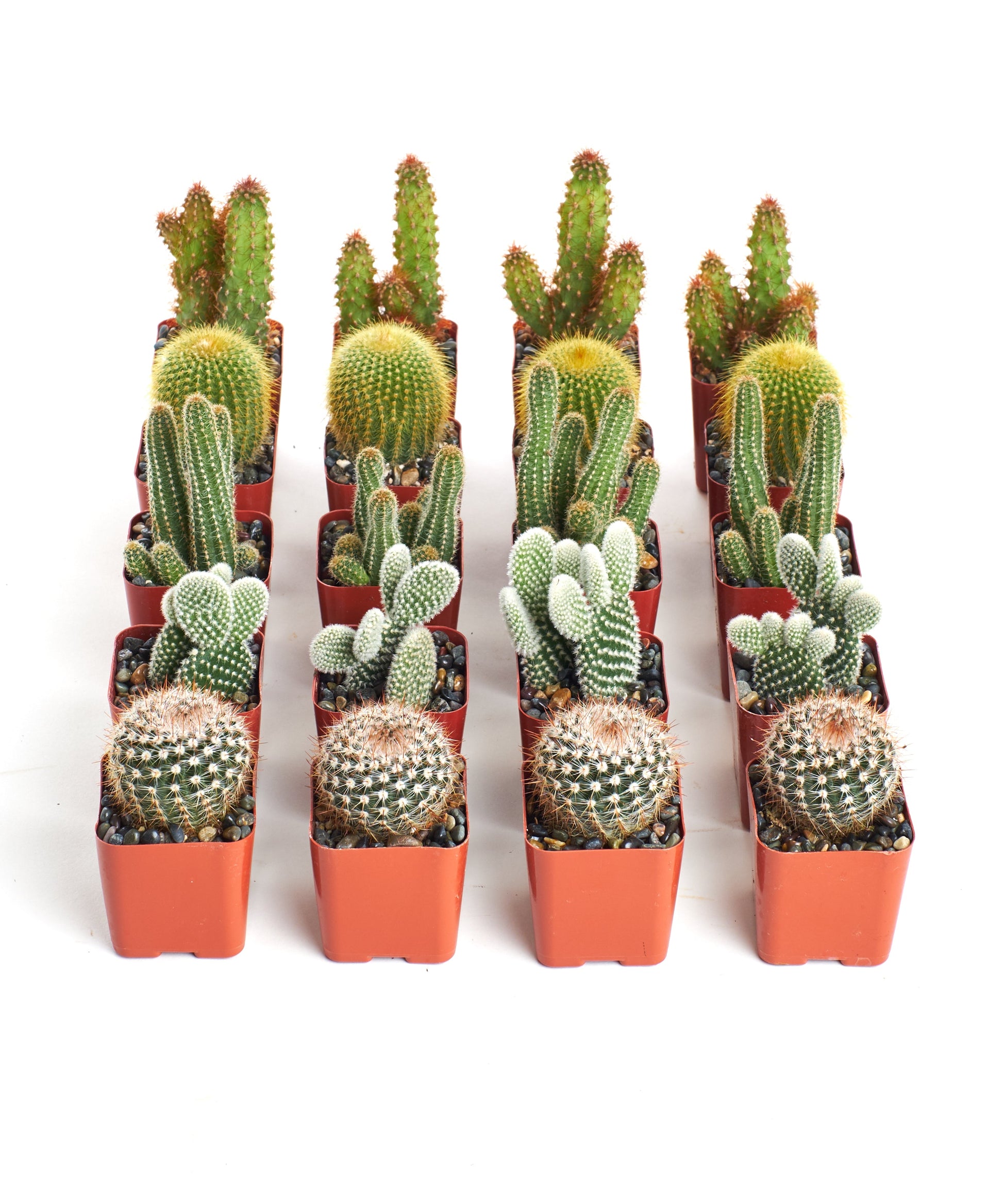
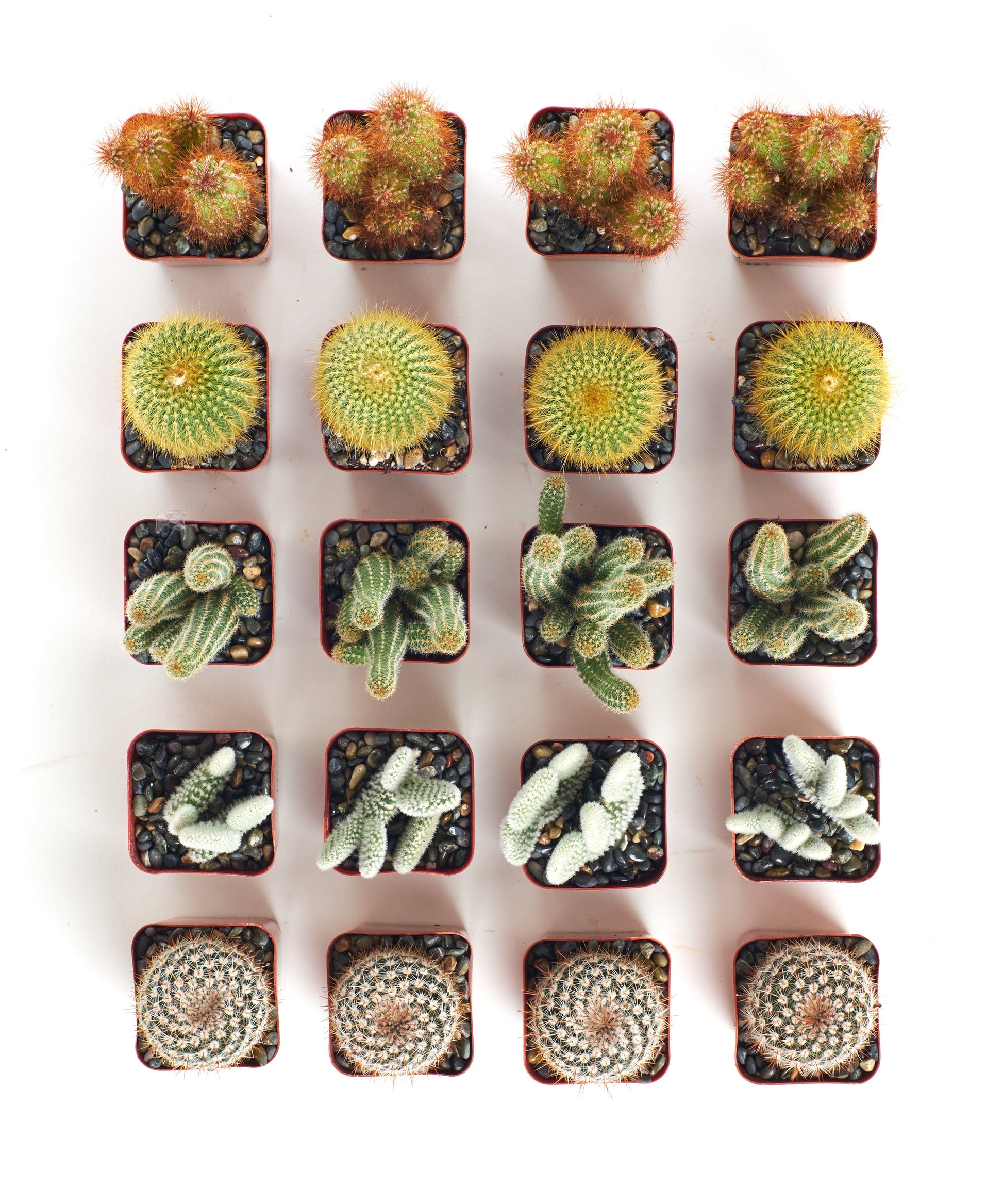
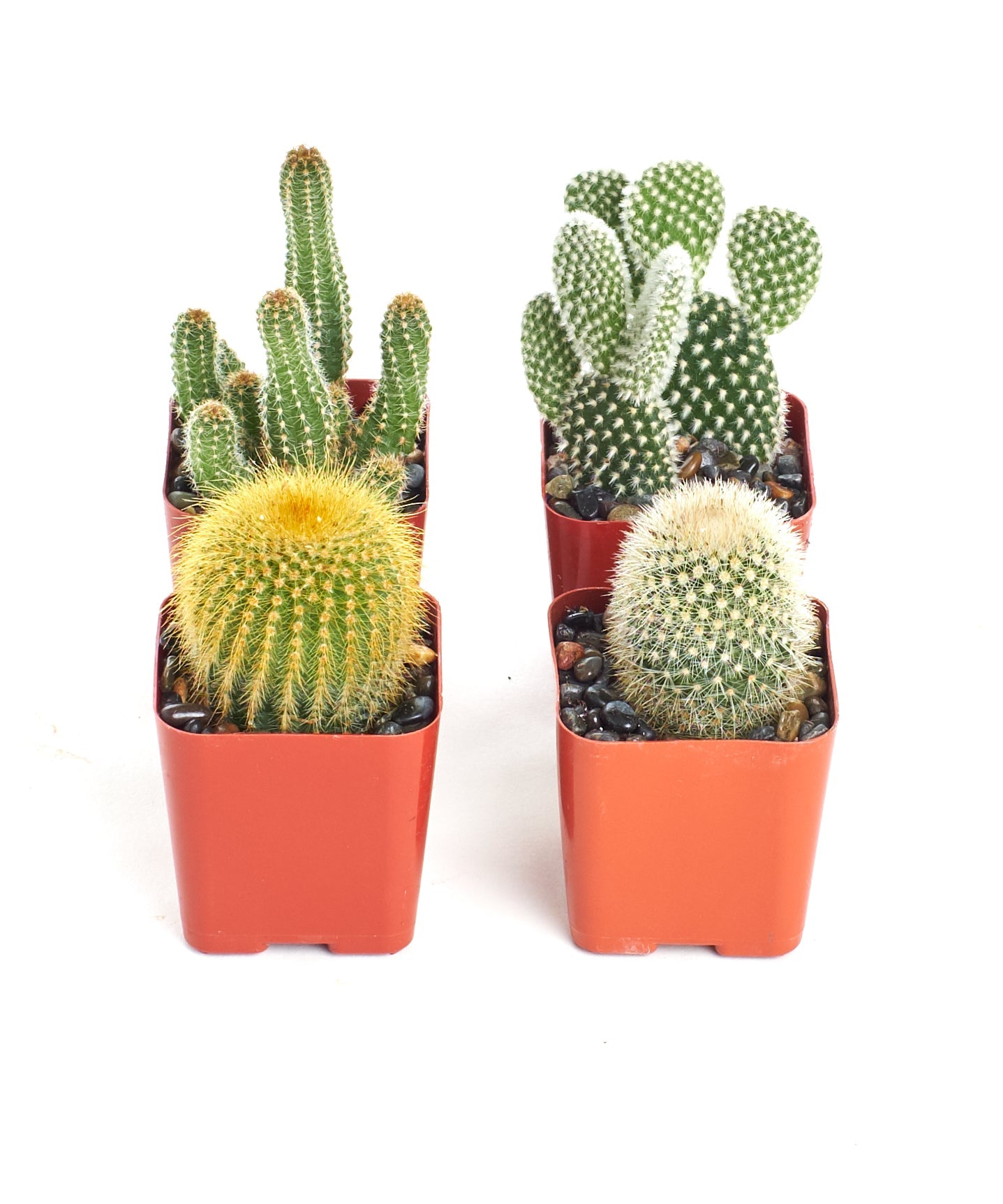
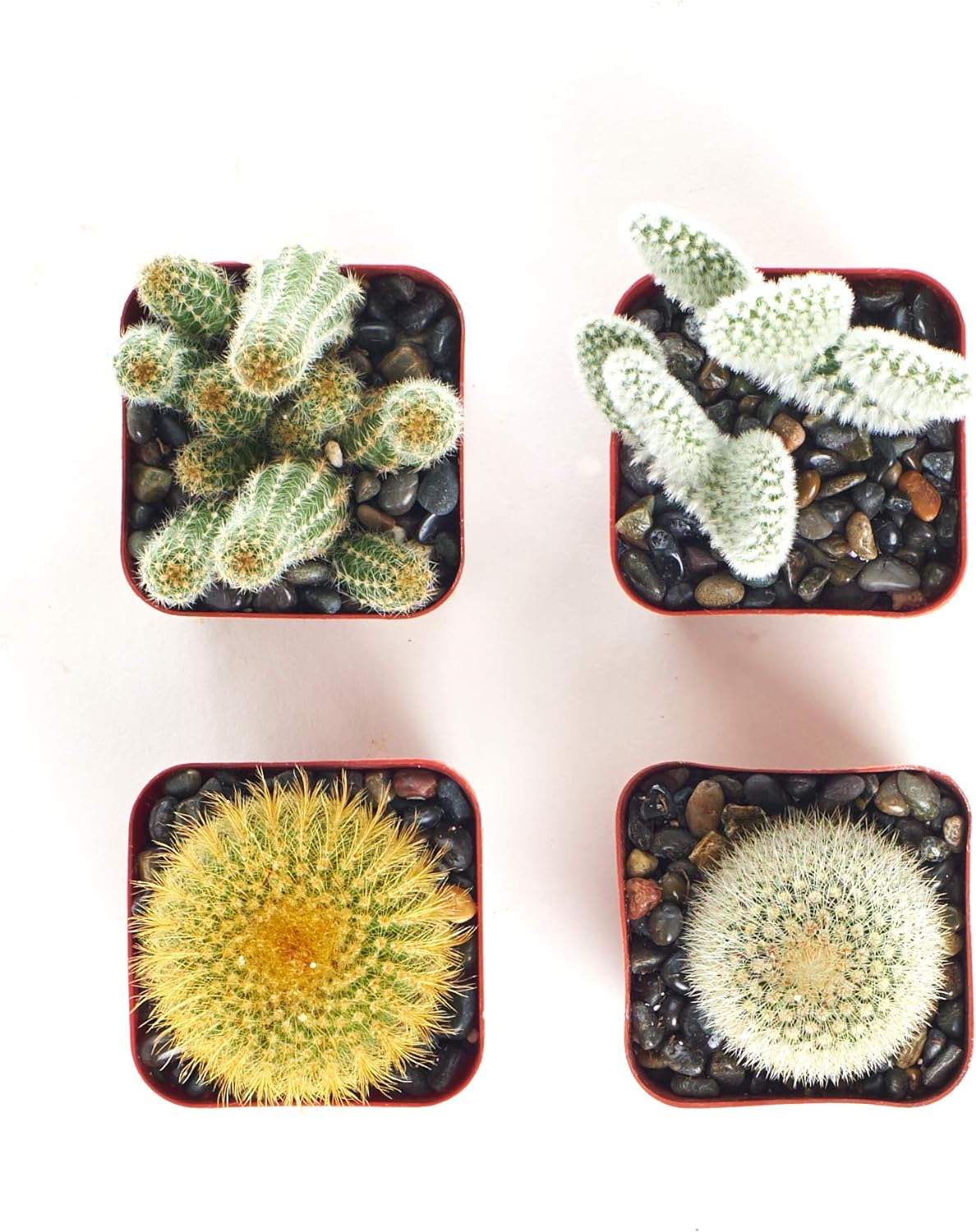
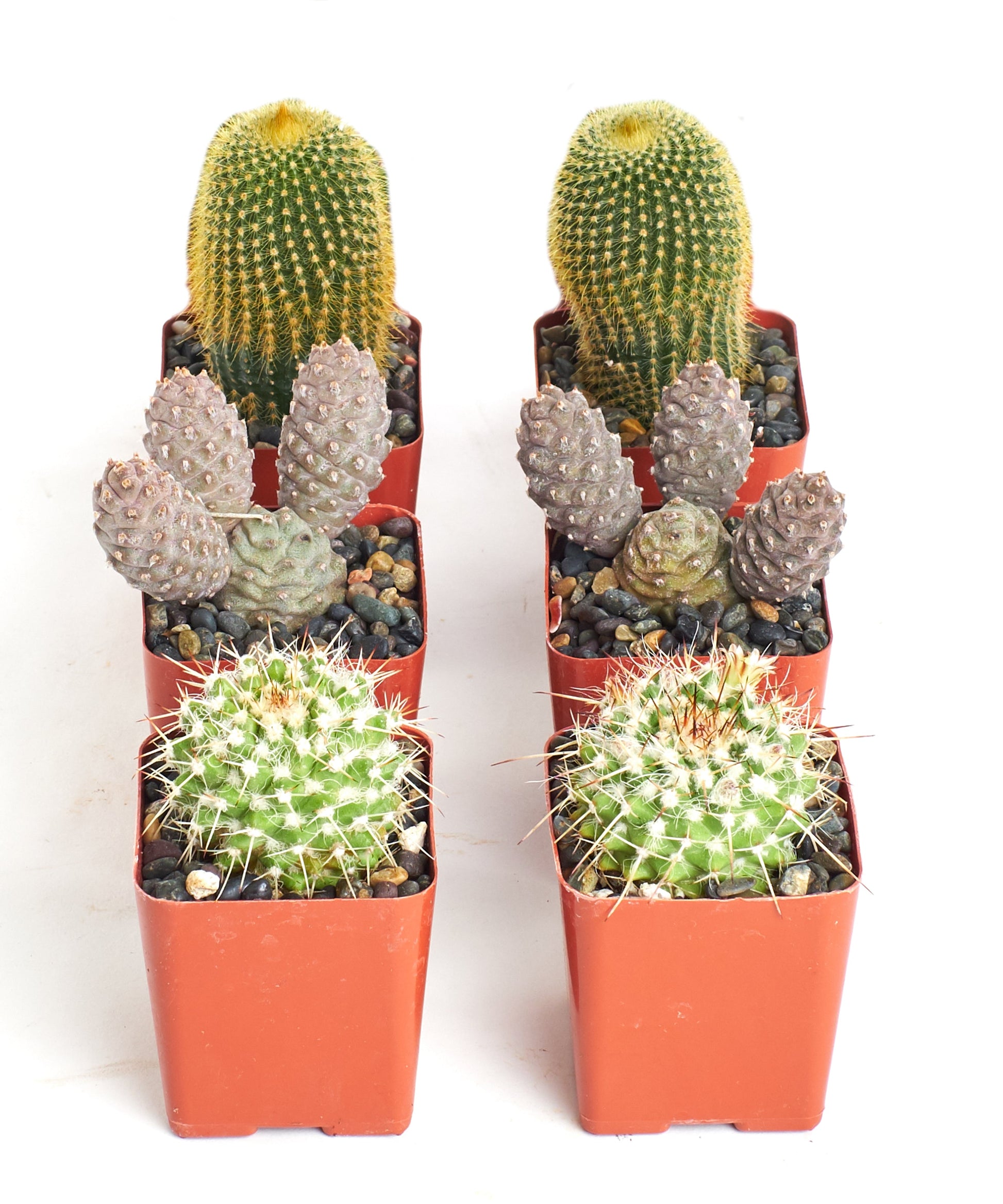
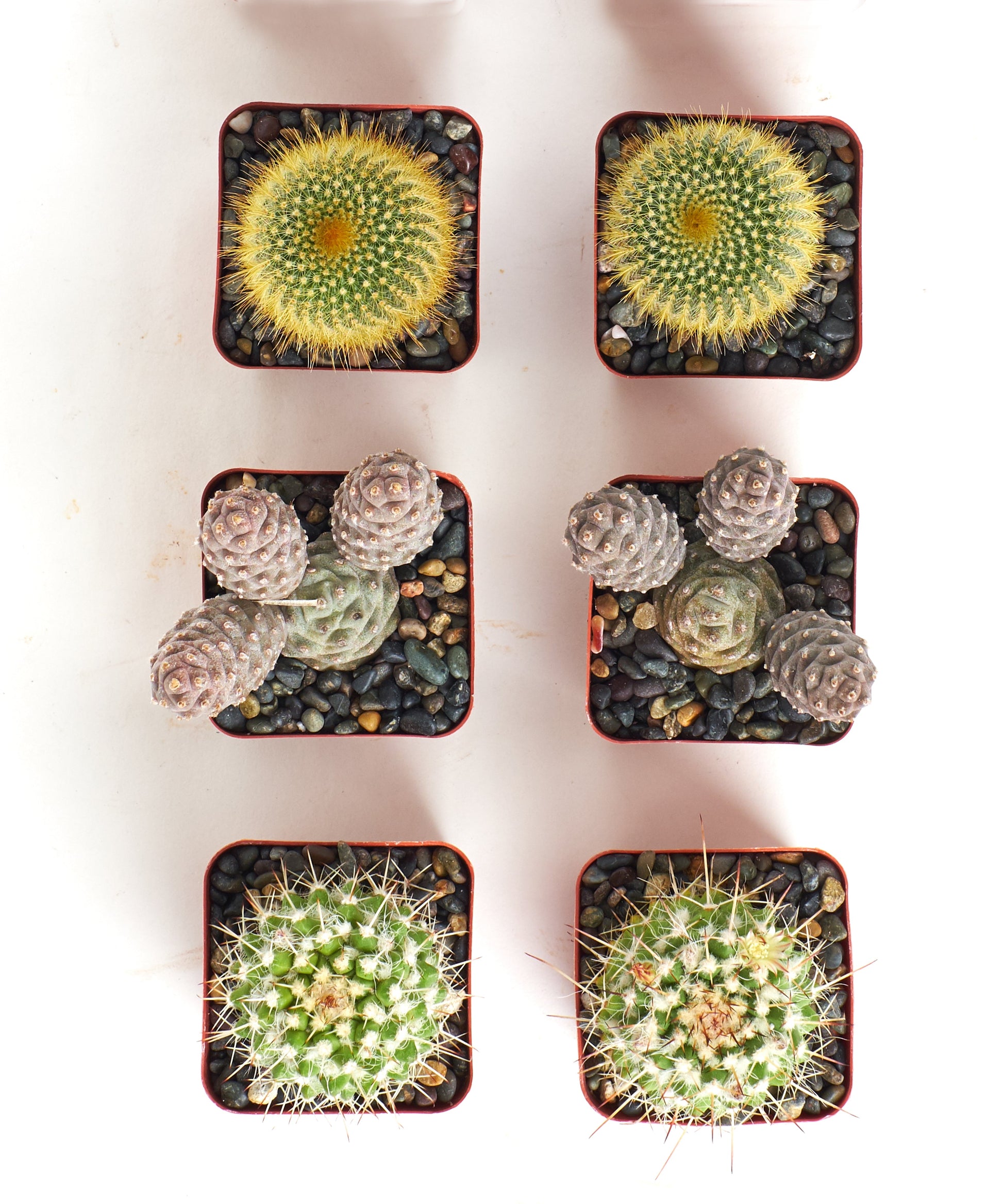
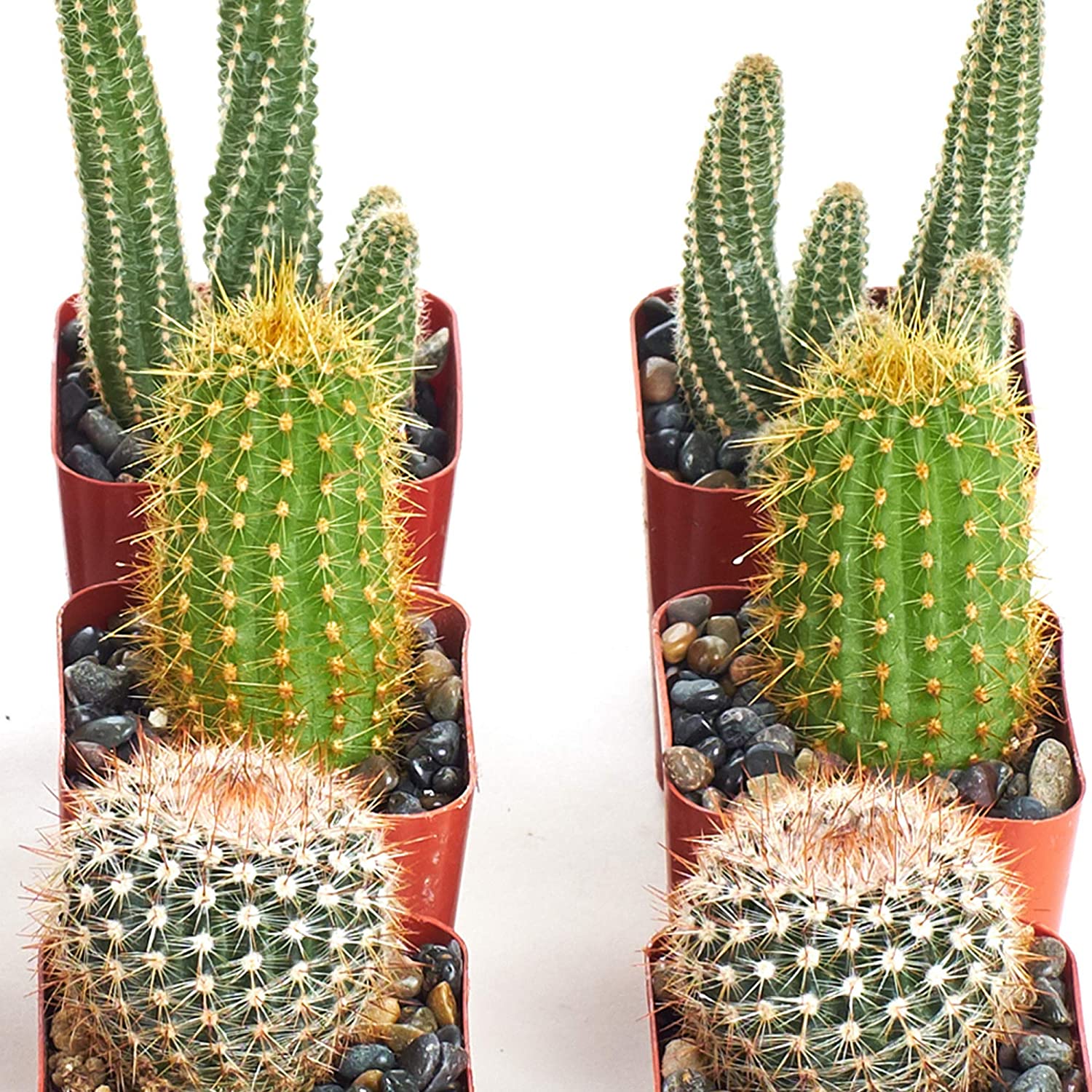
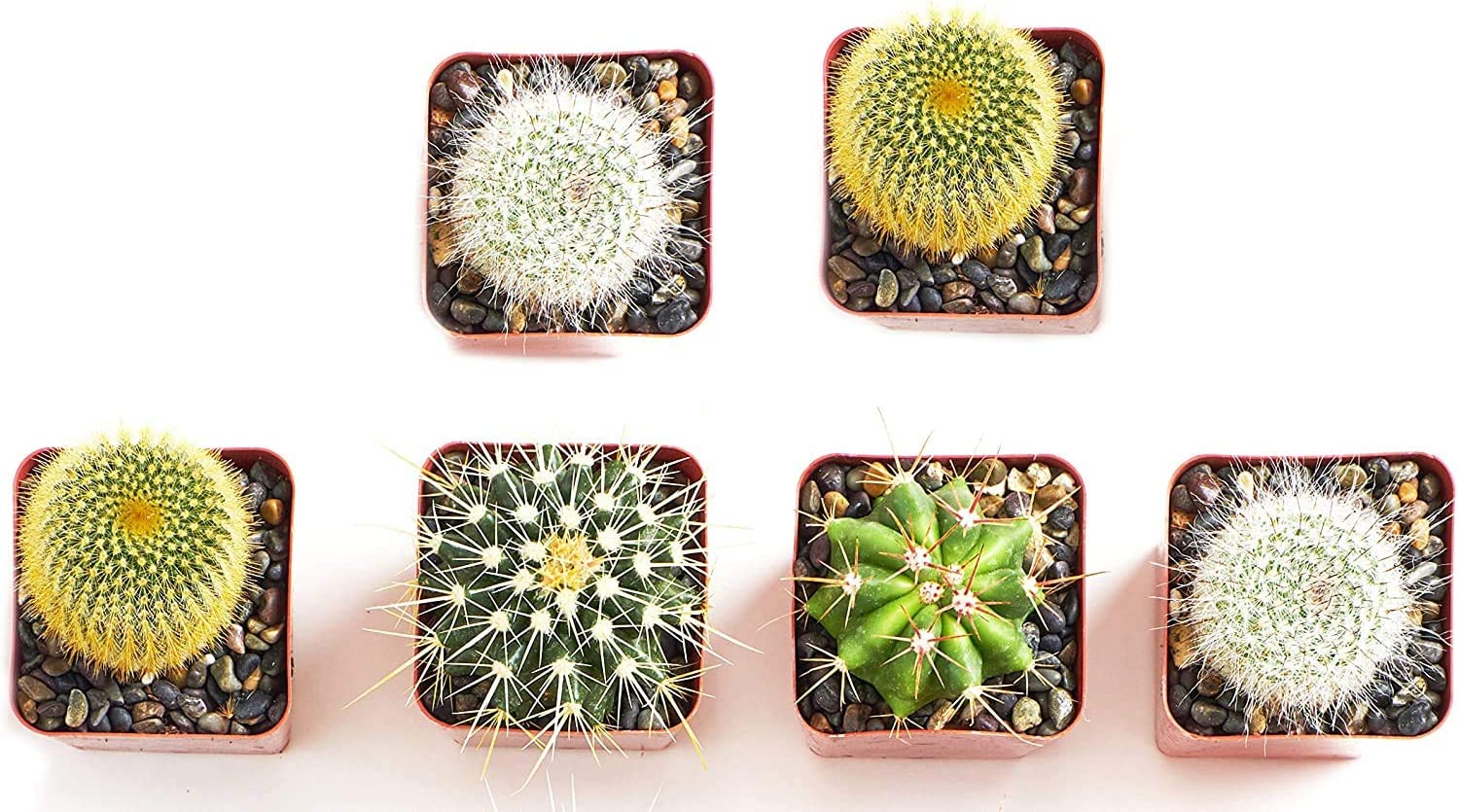
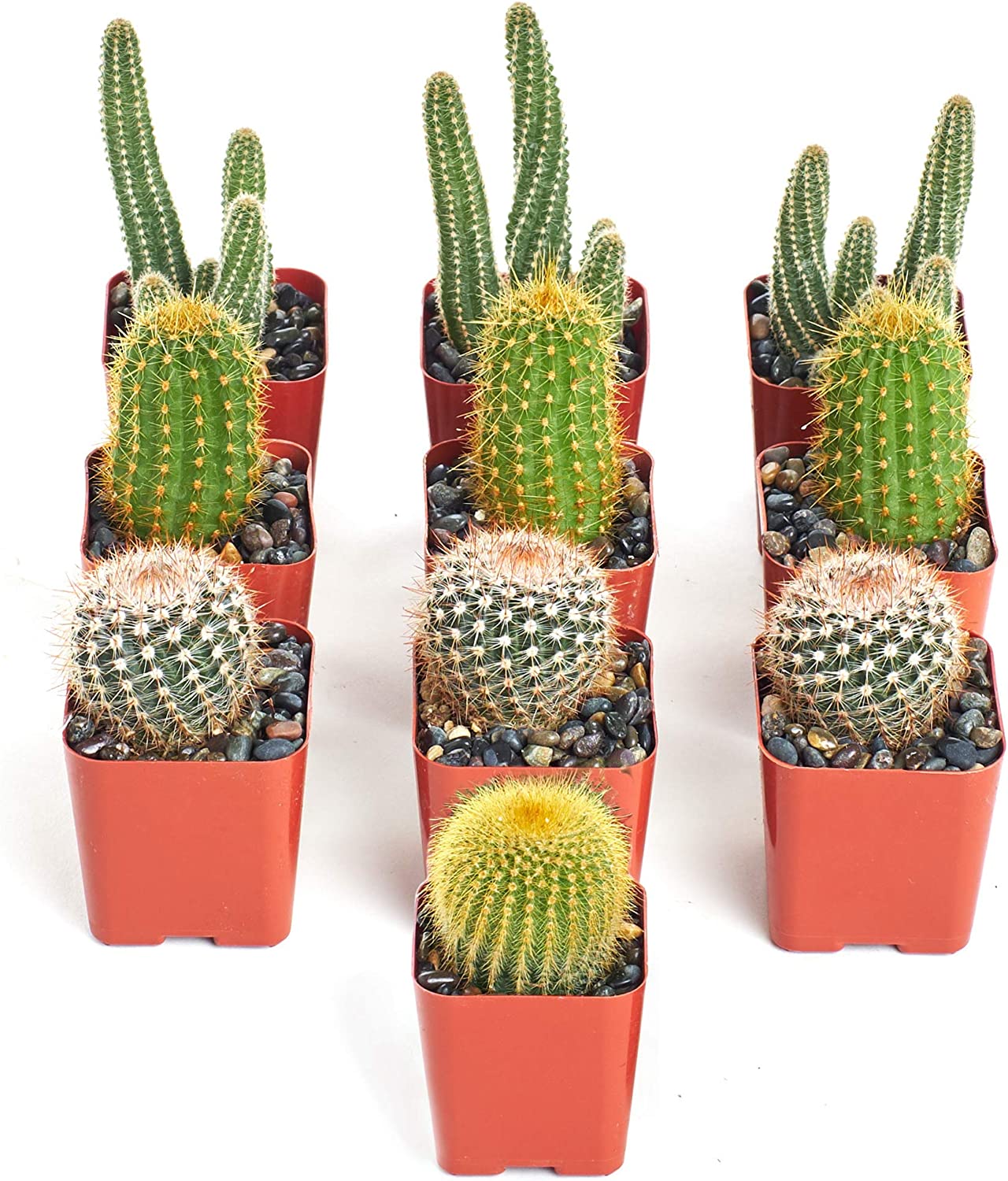
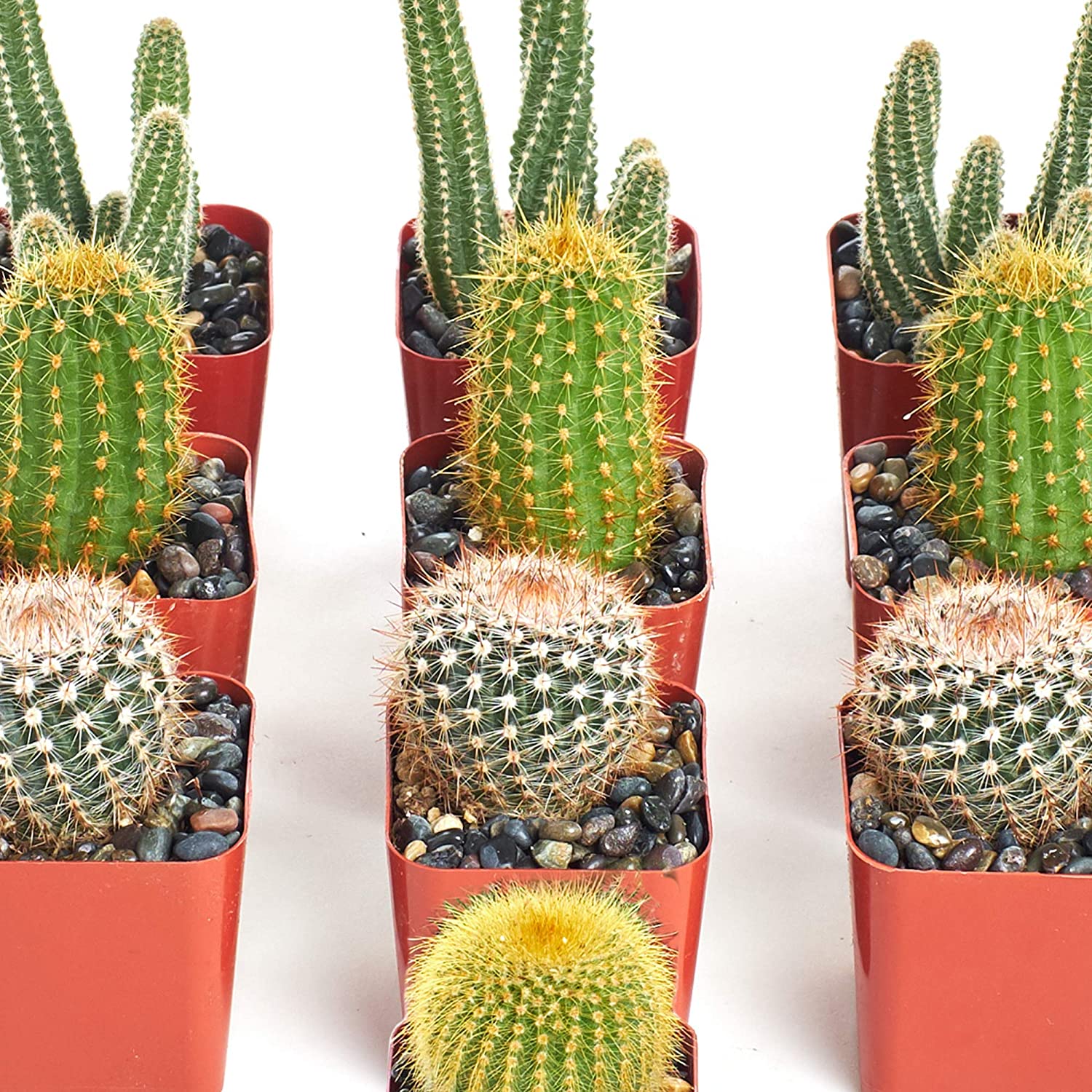
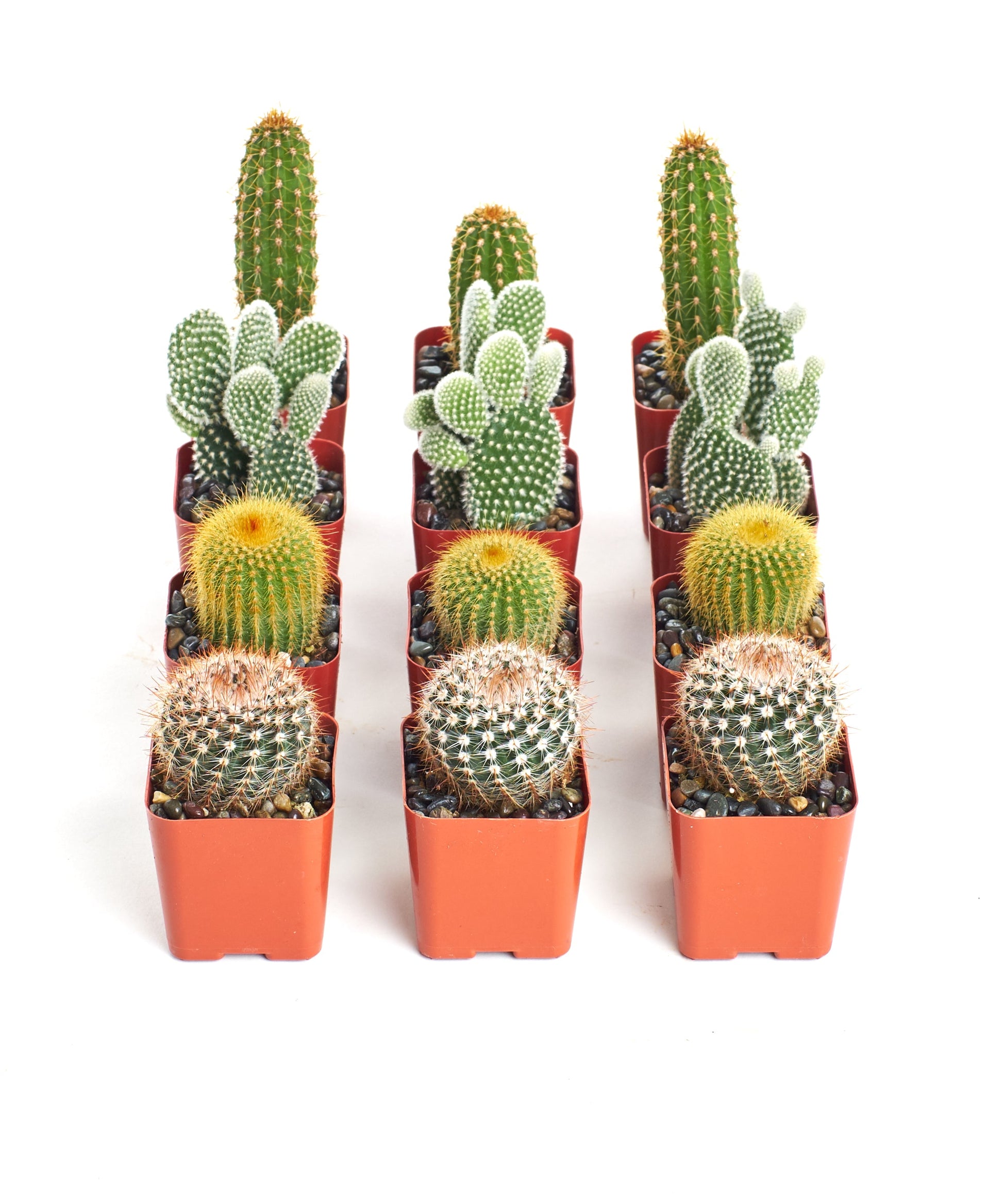
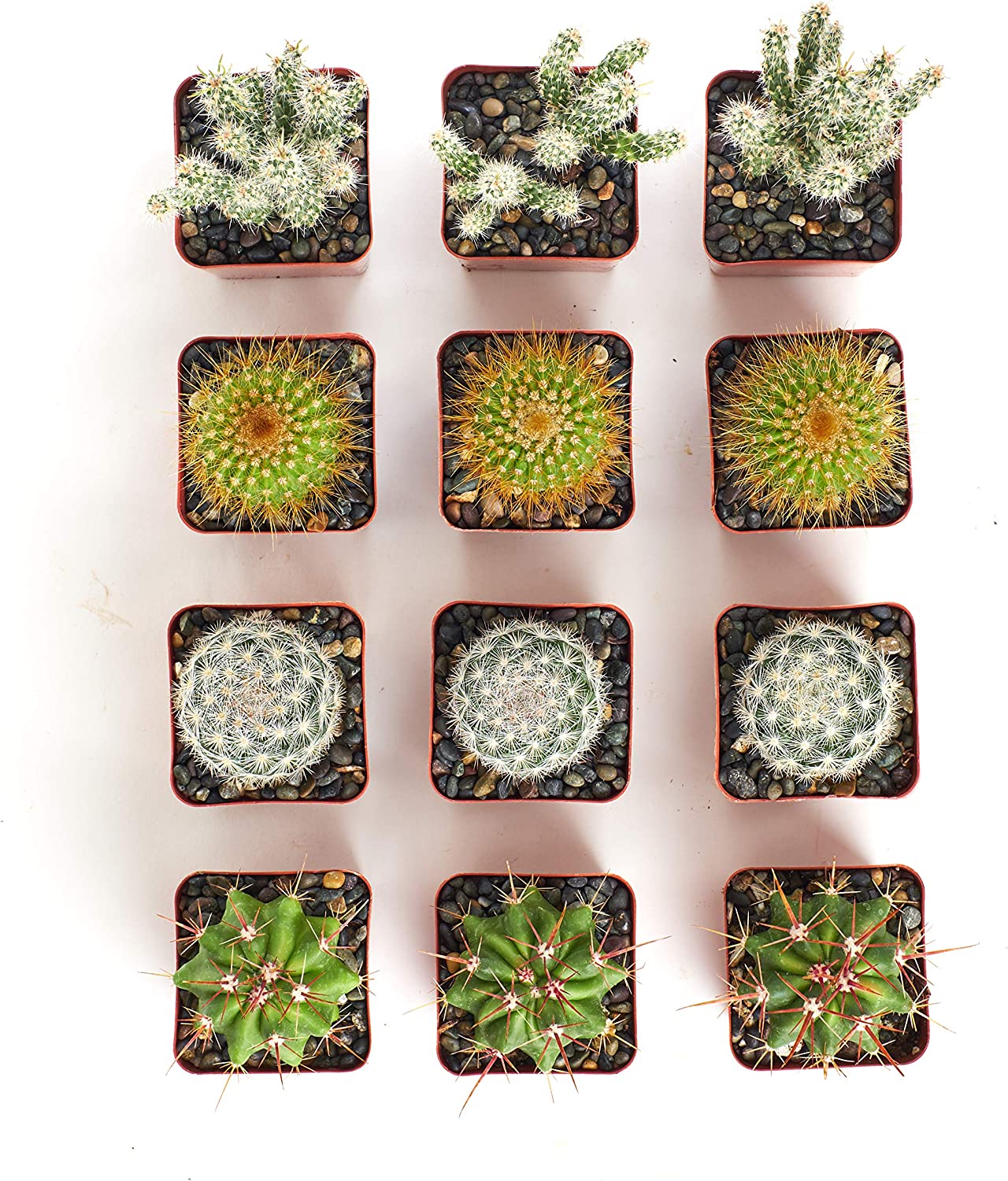
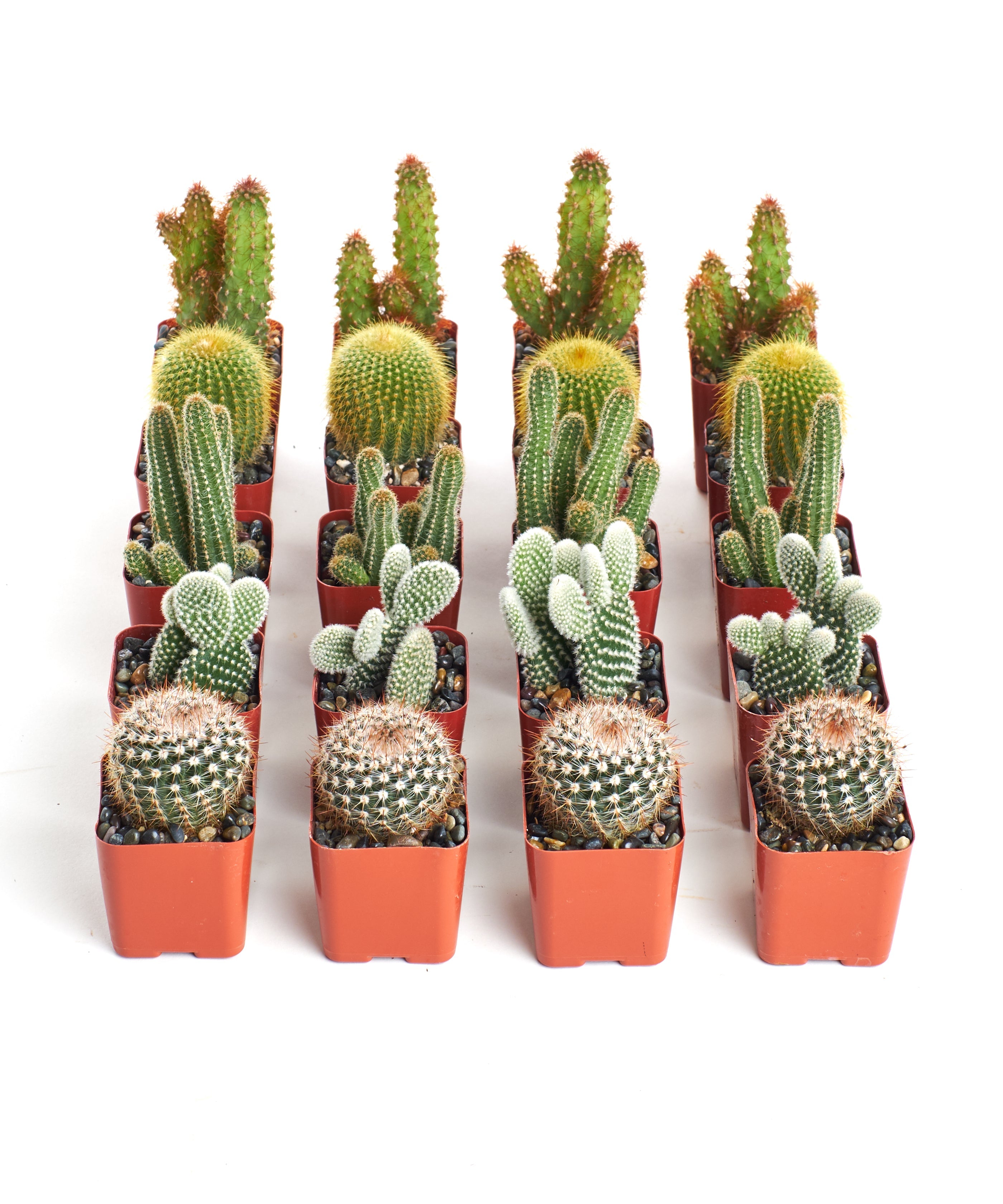
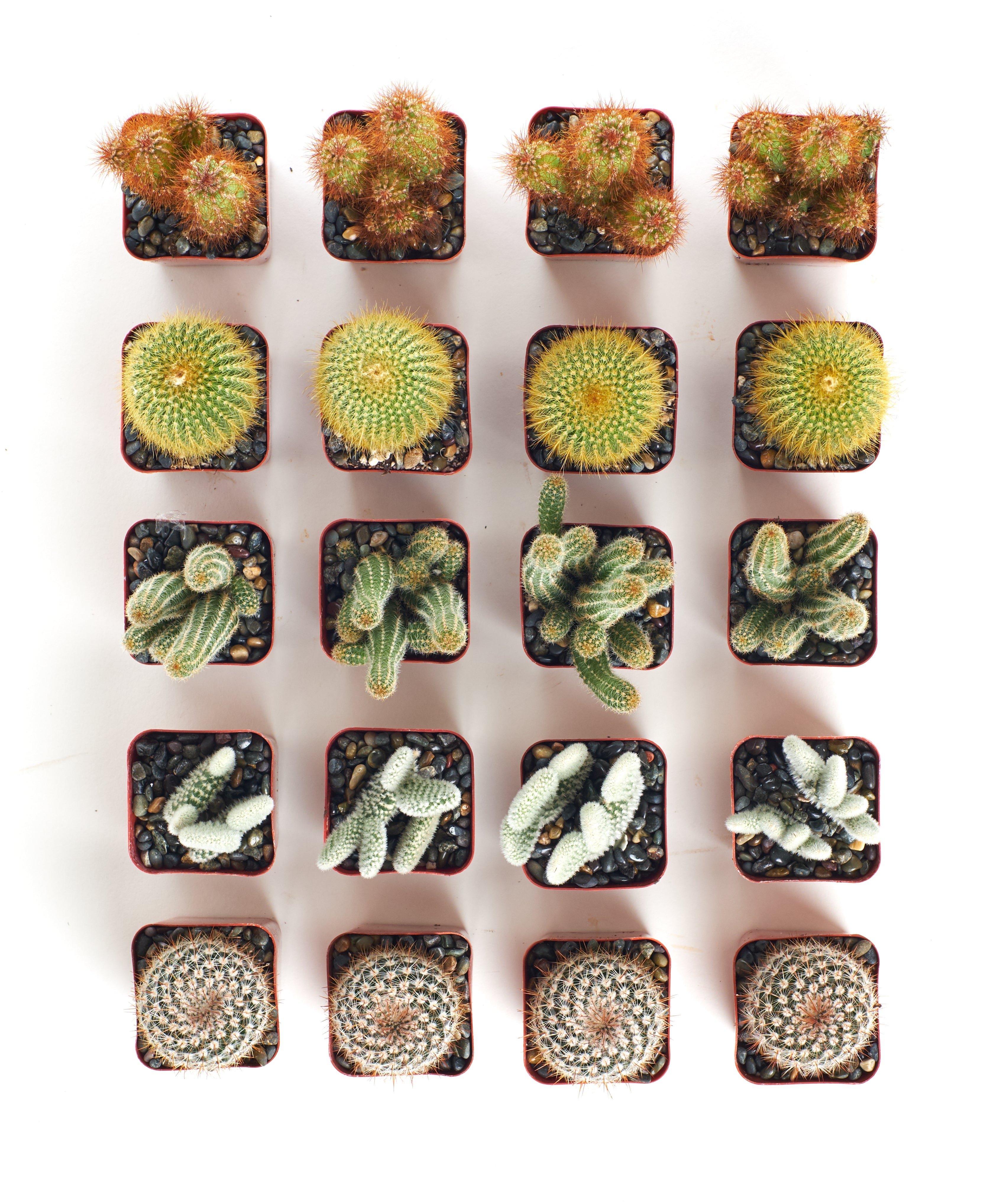
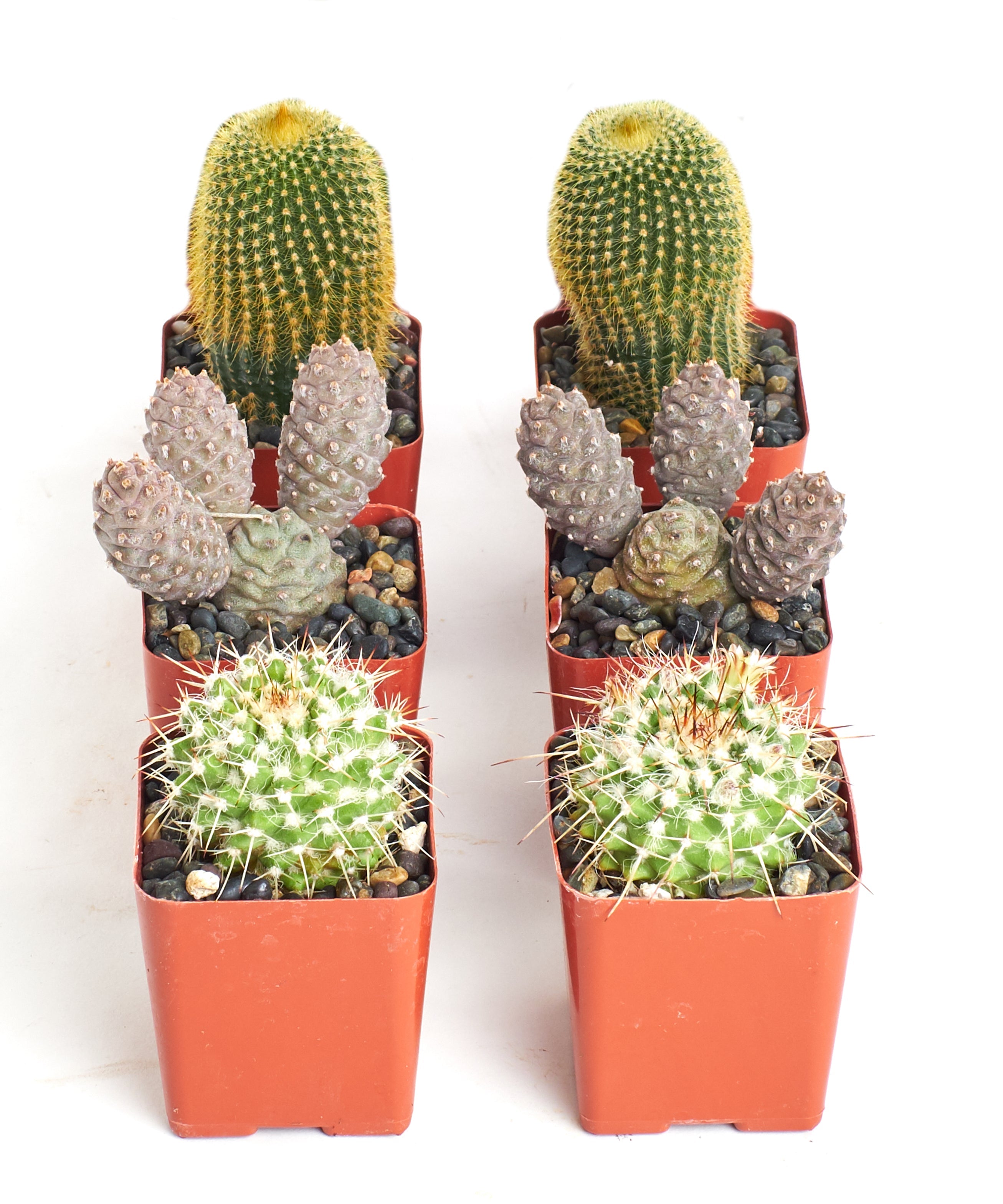
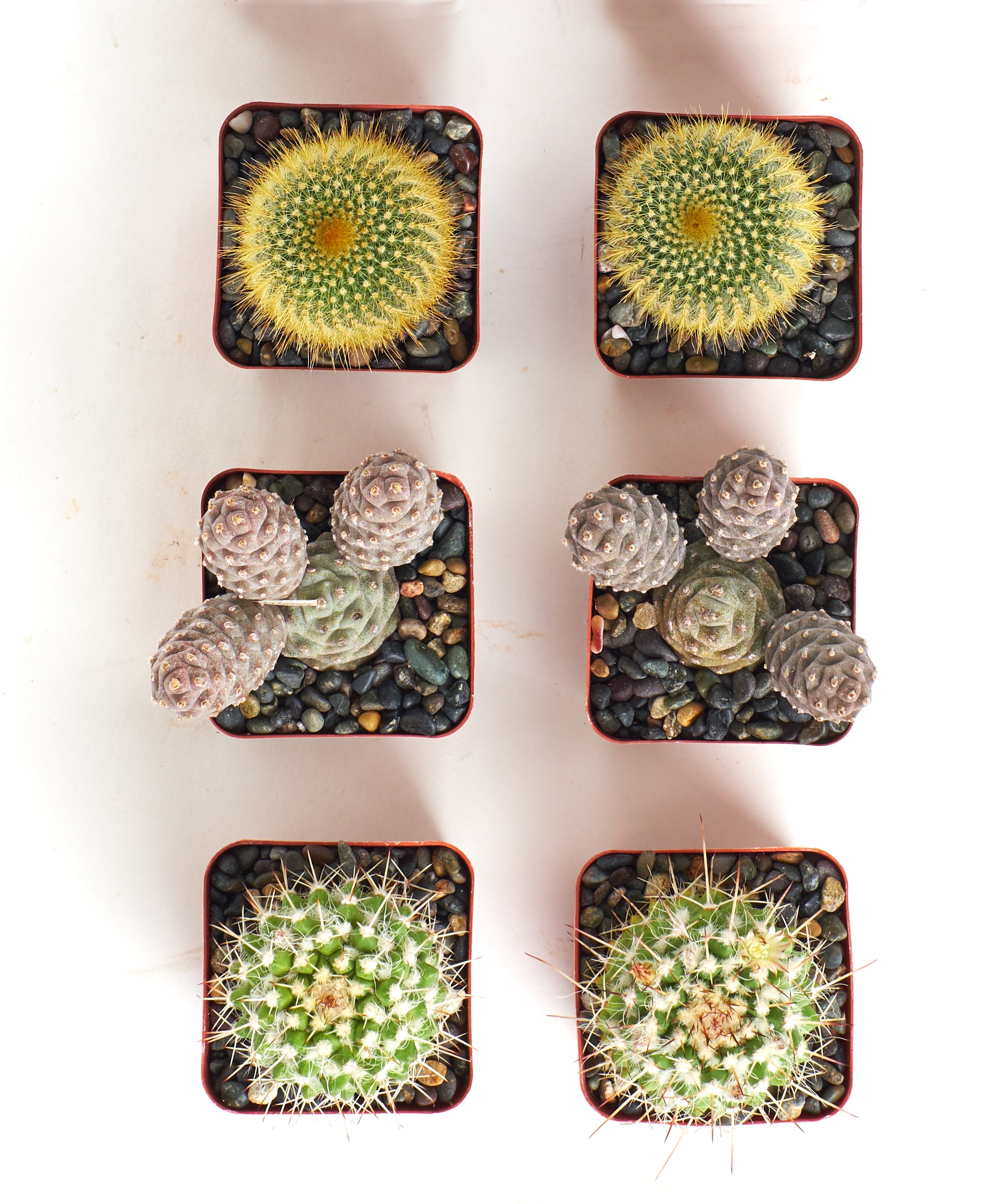
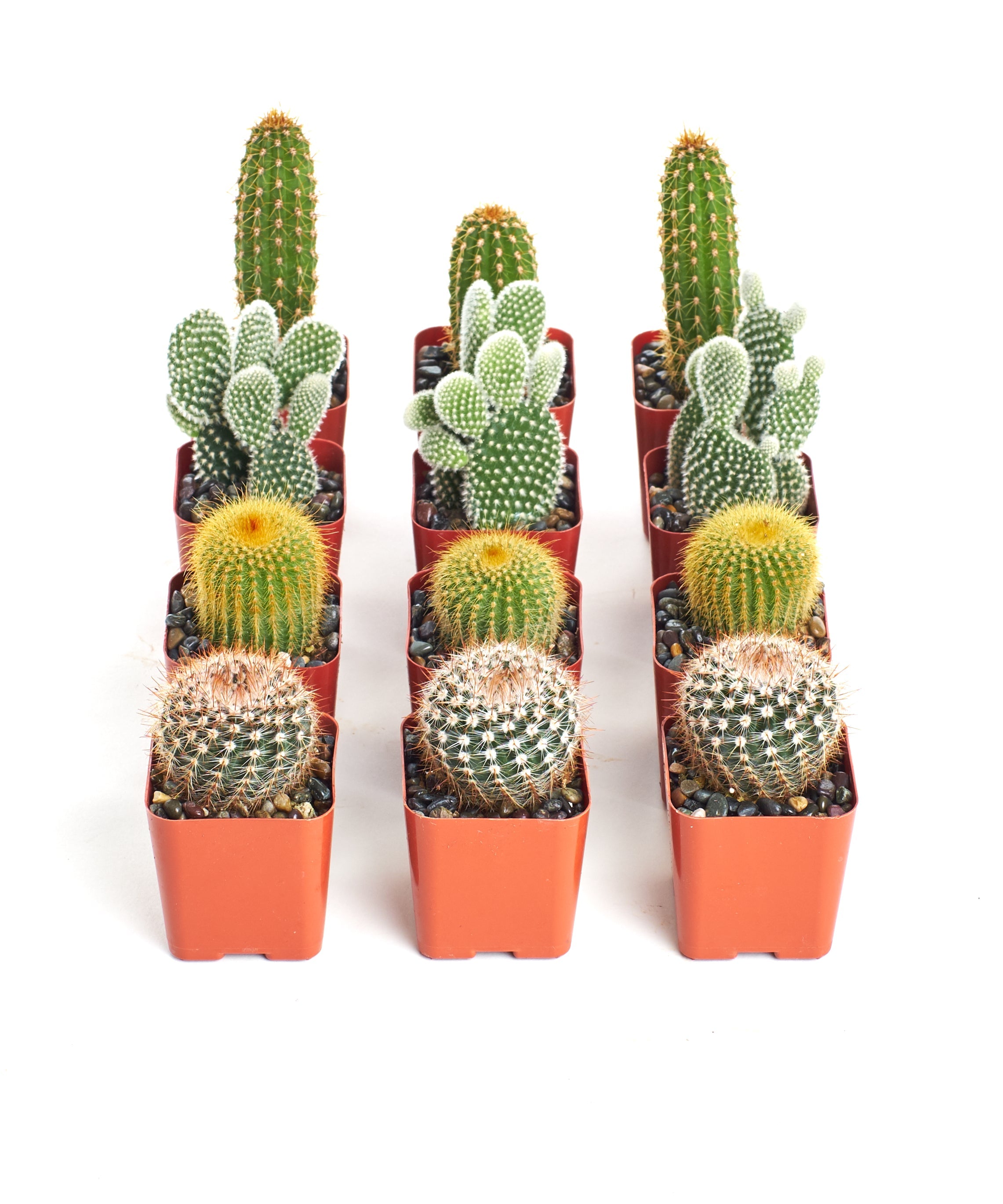
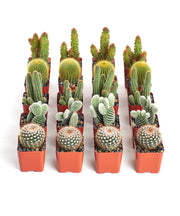
The Assorted Collection features our combination mini succulent & cactus pack, a quality assortment of low-maintenance mini drought tolerant plants in perfectly sized 2” grow pots. These hardy plants bring natural elegance to any setting, whether you’re using them for wedding favors, or simply adding greenery to your desk or windowsill.
While the assorted collection includes some repeat species, we've designed it to offer a diverse range of succulent and cacti species with many shapes, textures, and colors. This collection provides both familiarity and excitement, making sure you have a well-rounded assortment that is full of beauty.
Our nursery grows a wide variety of succulent and cacti species, carefully curated for their beauty and hardiness. Keep in mind that availability may vary from photos depending on the season, ensuring you always receive the freshest and most stunning selection.
Details
Type: Plastic Nursery Pot
Size: 2 Inch Diameter
Cactus Plant Care
Light: Place your assorted cactus plants in bright, direct sunlight for a few hours each day. They need plenty of light to thrive. A south or west-facing window is ideal. Rotate the pots regularly to ensure even growth.
Temperature: Maintain a warm indoor environment with temperatures between 70-100°F (21-38°C) during the growing season. These plants can tolerate some temperature fluctuations, but protect them from cold drafts, especially in the winter.
Watering: Allow the soil to dry out completely between waterings. Water sparingly, and ensure that the pots have excellent drainage to prevent waterlogged soil. In the growing season (spring and summer), water more frequently, but reduce watering in the dormant season (fall and winter).
Soil: Use a well-draining cactus or succulent potting mix. Good drainage is essential to prevent root rot.
Pot: Ensure the pots have drainage holes to prevent water from accumulating at the root level. Cacti thrive in slightly crowded conditions and do not require frequent repotting.
Fertilization: Feed your cacti sparingly. Use a balanced, water-soluble cactus or succulent fertilizer diluted to half strength every 4-6 weeks during the growing season (spring and summer). Avoid over-fertilizing, as it can harm the plants.
Pests: Assorted cactus plants are generally pest-resistant, but occasionally, spider mites or scale insects may appear. Inspect your plants regularly and treat any infestations promptly with insecticidal soap or neem oil.
Succulent Plant Care
Light: Succulents thrive in bright, indirect sunlight. Place them near a sunny window with filtered sunlight or in a spot with plenty of natural light. Some succulents can tolerate direct sunlight, but be cautious about intense afternoon sun, which can scorch the leaves.
Watering: Allow the soil to dry out completely between waterings. The frequency of watering depends on factors like the type of succulent, pot size, and environmental conditions. Typically, water once every 2-4 weeks, but adjust as needed. Water the soil directly and avoid getting water on the leaves, as this can lead to rot.
Soil: Use well-draining soil mix specifically formulated for succulents or cacti. You can also add perlite or coarse sand to regular potting soil to improve drainage. Ensure that the pot has drainage holes to prevent waterlogged roots.
Temperature: Succulents prefer a temperature range of 60-80°F (15-27°C). They can tolerate slightly cooler temperatures but should be protected from frost and extreme cold.
Fertilization: During the growing season (usually spring and summer), feed your succulents with a balanced, water-soluble fertilizer diluted to half strength. Fertilize sparingly, about once a month, as succulents do not require heavy feeding.
Pruning: Remove dead or damaged leaves and spent flower stalks to encourage healthy growth and appearance. Use clean, sharp scissors or pruning shears for this purpose.
Pests and Diseases: Keep an eye out for common succulent pests like mealybugs and aphids. Treat any infestations promptly with insecticidal soap or neem oil. Overwatering can lead to root rot, so ensure proper drainage to avoid this issue.
Repotting: Repot your succulents when they outgrow their containers or the soil becomes depleted of nutrients. Spring is usually the best time for repotting.
I was very impressed with how well my 18 little lantanas were packed. All looked healthy and I planted them yesterday. It was a little difficult unpacking them but that’s the price I paid for having you pack them so well. I was a little worried when I saw UPS coming to the door with the box slung over the driver’s shoulder despite the fact that the box was marked with an ⬆️ and it said live plants. But all is well. Now if I can just keep them alive.
Lovely little guy-- impossible to find coral honeysuckle at my local nursery for whatever reason. I really appreciate that the Blossomdale staff kept it and nurtured it a little longer so it would be more robust for the trip. Can't wait to put it in the ground and watch it thrive :-) Will order from them again.
It was my very first plant I order online so I wasn’t sure what to expect but when it got here and in one piece and as long as it is I was shocked but very HAPPY.
It's doing really well. I will be transferring it to a bigger pot probably by the weekend. I wish I had a little more instructions on how to care for this variety, and what to do in the fall.
Package came delivered just like it said it would I pulled it out it looked good. I put it in some water for about a half hour and put it in my 30 gallon tub and I got three things to go with it.
Very healthy cutting. Followed the instructions and let it get acclimated to its new surroundings for a couple of weeks before repotting. Would not hesitate to purchase from this business again 😃
Plants arrived in great condition. This plant has only been in the ground about 10 days and is growing a lot. The plant cage is 12” tall so it’s doing well. I put guards around my new plants for a little while because I have bunnies who love tender young leaves.
I got 2 mystery plants (one indoor and one outdoor). The indoor was a pilea and the outdoor plant was a white blackberry. White blackberry was dramatic, but it’s making a comeback and the pilea is doing great!
Need to upgrade your packaging. I would suggest taping the plant in place in the cardboard tube on the count that it slid and smashed itself. Luckily, it's a strong plant and should recover. Hoping.for the best.
The plant arrived after a few delivery reroutes. It came with three leaves two so far are healthy one was dying and has since died. The two remaining leaves appear to be doing well.
Customer service here is second to none! Very very happy and already made another purchase. But anyway, I ordered 1 and they sent me 2 beautiful babies! I'm so excited to watch them grow!
This little guy came in perfect. Despite the cat knocking it over and being placed in the soup cup for safer keeping, it’s thriving and happy. Once it’s bigger then it will make its way outdoors.
Bring life to your garden with the plants everyone’s raving about! These bestsellers are customer favorites for their beauty, resilience, and ability to thrive in a variety of spaces.
You’ve found Blossomdale, a bright little village where plant people gather to exhale. Swap stories of first sprouts & surprise blooms, gush over new leaves & meet folks who love the smell of fresh potting mix as much as you do.
From all of us at Blossomdale - welcome in, settle down, and let’s enjoy the growing together.
You are eligible for free shipping.Spend $0.00 more to reach free shipping!
Adult Trees are excluded from the free shipping rule.$30 Flat Rate fee Buy Any 2 Fruit Trees, Get FREE Shipping Buy Any 3 Fruit Trees, Get the 4th Tree FREE (Lowest-Priced)
The Assorted Collection features our combination mini succulent & cactus pack, a quality assortment of low-maintenance mini drought tolerant plants in perfectly sized 2” grow pots. These hardy plants bring natural elegance to any setting, whether you’re using them for wedding favors, or simply adding greenery to your desk or windowsill.
While the assorted collection includes some repeat species, we've designed it to offer a diverse range of succulent and cacti species with many shapes, textures, and colors. This collection provides both familiarity and excitement, making sure you have a well-rounded assortment that is full of beauty.
Our nursery grows a wide variety of succulent and cacti species, carefully curated for their beauty and hardiness. Keep in mind that availability may vary from photos depending on the season, ensuring you always receive the freshest and most stunning selection.
Details
Type: Plastic Nursery Pot
Size: 2 Inch Diameter
Cactus Plant Care
Light: Place your assorted cactus plants in bright, direct sunlight for a few hours each day. They need plenty of light to thrive. A south or west-facing window is ideal. Rotate the pots regularly to ensure even growth.
Temperature: Maintain a warm indoor environment with temperatures between 70-100°F (21-38°C) during the growing season. These plants can tolerate some temperature fluctuations, but protect them from cold drafts, especially in the winter.
Watering: Allow the soil to dry out completely between waterings. Water sparingly, and ensure that the pots have excellent drainage to prevent waterlogged soil. In the growing season (spring and summer), water more frequently, but reduce watering in the dormant season (fall and winter).
Soil: Use a well-draining cactus or succulent potting mix. Good drainage is essential to prevent root rot.
Pot: Ensure the pots have drainage holes to prevent water from accumulating at the root level. Cacti thrive in slightly crowded conditions and do not require frequent repotting.
Fertilization: Feed your cacti sparingly. Use a balanced, water-soluble cactus or succulent fertilizer diluted to half strength every 4-6 weeks during the growing season (spring and summer). Avoid over-fertilizing, as it can harm the plants.
Pests: Assorted cactus plants are generally pest-resistant, but occasionally, spider mites or scale insects may appear. Inspect your plants regularly and treat any infestations promptly with insecticidal soap or neem oil.
Succulent Plant Care
Light: Succulents thrive in bright, indirect sunlight. Place them near a sunny window with filtered sunlight or in a spot with plenty of natural light. Some succulents can tolerate direct sunlight, but be cautious about intense afternoon sun, which can scorch the leaves.
Watering: Allow the soil to dry out completely between waterings. The frequency of watering depends on factors like the type of succulent, pot size, and environmental conditions. Typically, water once every 2-4 weeks, but adjust as needed. Water the soil directly and avoid getting water on the leaves, as this can lead to rot.
Soil: Use well-draining soil mix specifically formulated for succulents or cacti. You can also add perlite or coarse sand to regular potting soil to improve drainage. Ensure that the pot has drainage holes to prevent waterlogged roots.
Temperature: Succulents prefer a temperature range of 60-80°F (15-27°C). They can tolerate slightly cooler temperatures but should be protected from frost and extreme cold.
Fertilization: During the growing season (usually spring and summer), feed your succulents with a balanced, water-soluble fertilizer diluted to half strength. Fertilize sparingly, about once a month, as succulents do not require heavy feeding.
Pruning: Remove dead or damaged leaves and spent flower stalks to encourage healthy growth and appearance. Use clean, sharp scissors or pruning shears for this purpose.
Pests and Diseases: Keep an eye out for common succulent pests like mealybugs and aphids. Treat any infestations promptly with insecticidal soap or neem oil. Overwatering can lead to root rot, so ensure proper drainage to avoid this issue.
Repotting: Repot your succulents when they outgrow their containers or the soil becomes depleted of nutrients. Spring is usually the best time for repotting.