

It's doing really well. I will be transferring it to a bigger pot probably by the weekend. I wish I had a little more instructions on how to care for this variety, and what to do in the fall.



Growing Zone
Find Now

Have a question?
Ask Us!
Get help from our experts
Got questions? We've got answers! 7-days a week, 24-hours a day
Email Us FAQs Community Page
Price
Available
In stock
Ships within
Arrives
Add Your Zip Code
to:
ZIP
Questions? Contact our plant experts
Moonlit Blooms with Wild Meadow Fragrance
Ewling Primrose (Oenothera biennis) rises in graceful, upright spires, its narrow, lance-shaped leaves forming a loose rosette in the plant’s first year before stretching skyward in its second. As dusk settles, luminous lemon-yellow blossoms unfurl with a soft, silken texture, glowing like lanterns against the deepening sky. Each flower is short-lived but abundant, opening in succession along tall stems that sway lightly in warm summer breezes. Native to open fields, prairies, and sandy meadows across North America, this biennial wildflower thrives in lean soils and shifting light, flourishing where many ornamentals falter.
What sets Ewling Primrose apart is its night-blooming rhythm—an ecological invitation to moths and nocturnal pollinators—and its generous production of nutrient-rich seeds. While garden-worthy for its ethereal evening display, the plant also produces a late-season flush of seed pods that rattle dry and golden, carrying both botanical beauty and practical value.
Cultural & Culinary Significance
For centuries, Ewling Primrose has played a meaningful role in traditional North American herbalism, where its seeds, roots, and leaves were valued for nutritive and therapeutic applications. The seed oil, famously high in gamma-linolenic acid, became an important ingredient in both medicinal preparations and wellness traditions, carried forward into modern herbal practices. In many regions, the young roots—sometimes called “king’s-cure-all” or “evening star root”—were lightly cooked as a survival food or medicinal tonic. Its presence in ancestral meadows and prairies makes it a plant tied deeply to place, resilience, and the rhythm of evening pollinators.
Why Grow Ewling Primrose?
Highly nutritious seeds used in traditional wellness practices
Striking night-blooming flowers with luminous ornamental appeal
Exceptionally adaptable to poor, sandy, or disturbed soils
Supports nocturnal pollinators and beneficial insects
Rich cultural and herbal significance across North America
Come back tomorrow
Swipe to compare →
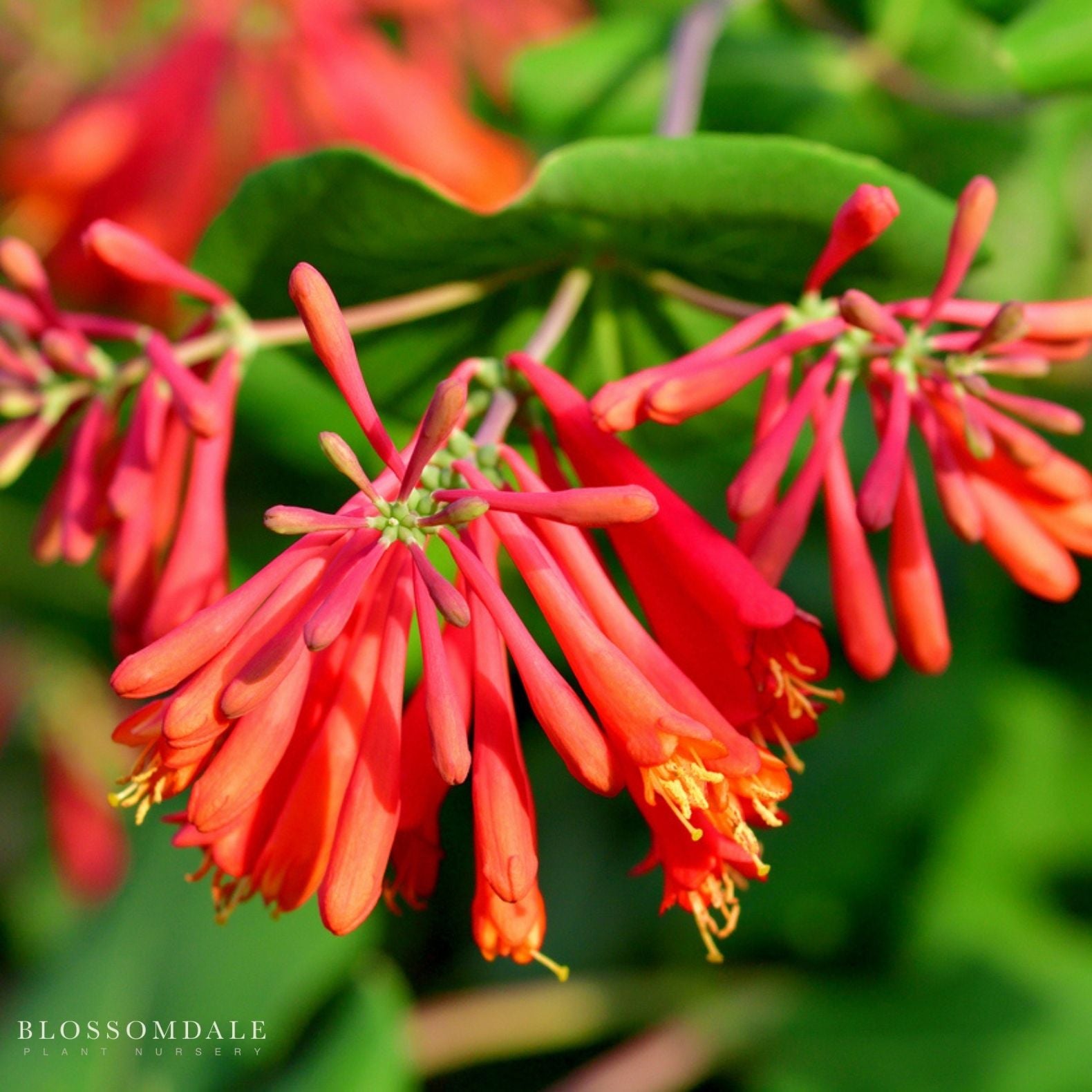
Lonicera sempervirens
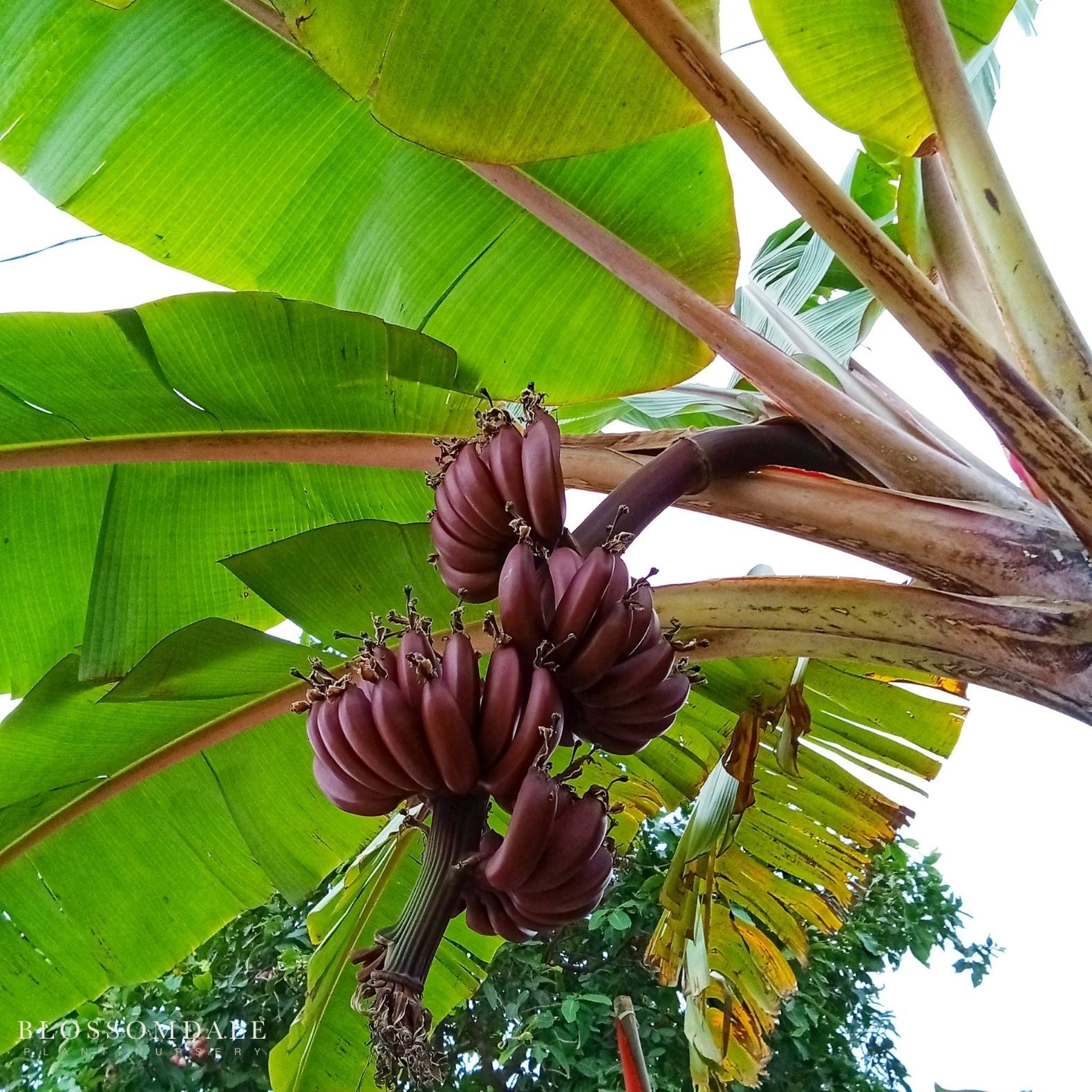
Musa acuminata ‘Double’ (Syn. Musa ‘Double Mahoi’)
Ficus carica 'Violette de Bordeaux'
Cissus discolor
Medinilla myriantha
(Pinguicula gigantea)
Neomarica caerulea 'Regina'
Alocasia baginda 'Silver Dragon'
Selenicereus megalanthus
Syngonium podophyllum ‘Pixie’
Malpighia emarginata
Olea europaea 'Leccino'
Ficus carica ‘Olympian’
Punica granatum ‘Nana’
Alocasia amazonica 'Mandalay'
Overall rating: 4.7 / 5 from 420 reviews.
It's doing really well. I will be transferring it to a bigger pot probably by the weekend. I wish I had a little more instructions on how to care for this variety, and what to do in the fall.

Plants arrived fine.. got them planted. Now i will let you know next spring. If they survive and grow back.. So far, i am ok with them
Erigeron Karvinskianus Fleabane ‘Santa Barbara/Mexican Daisy'

Just waiting for when they get big and tall and start producing bananas.

Plant arrived quickly and came in good shape!

Package came delivered just like it said it would I pulled it out it looked good. I put it in some water for about a half hour and put it in my 30 gallon tub and I got three things to go with it.

Banana tree came nice and healthy and ready to go!

****


Haven’t transplanted yet, but it’s a beautiful plant. We are gifting it to a friend that moved…Friendship Plant is very appropriate!

I love it

Truly tiny is still tiny but healthy!

It seems to be doing well but could have been packed better.

Blossom Dale did a wonderful job with packaging and Sedum Autumn Joy plants arrived in great condition and are thriving. So far so good.

The milkweed is not doing well...

Very healthy cutting. Followed the instructions and let it get acclimated to its new surroundings for a couple of weeks before repotting. Would not hesitate to purchase from this business again 😃

Plants arrived in great condition. This plant has only been in the ground about 10 days and is growing a lot. The plant cage is 12” tall so it’s doing well. I put guards around my new plants for a little while because I have bunnies who love tender young leaves.

Got this for my wife’s birthday. Plan to pot it soon.

I got 2 mystery plants (one indoor and one outdoor). The indoor was a pilea and the outdoor plant was a white blackberry. White blackberry was dramatic, but it’s making a comeback and the pilea is doing great!

Came in well packed and the plant was alive and healthy!

Even though the newest leaf was broken off it seems to be doing well

My little banana arrived happy and healthy!

The plant arrived well packaged with instructions on how to get started. It had been doing really well and has been growing like a weed!

It is just putting roots down now.

Received in great condition, transplanted just before heavy rain and its thriving

Just a little shock put her in a fabric pot on the back porch full sun should be happy thank you for the lovely plant

Fair price good looking plant can’t wait for it to get bigger!

Need to upgrade your packaging. I would suggest taping the plant in place in the cardboard tube on the count that it slid and smashed itself. Luckily, it's a strong plant and should recover. Hoping.for the best.

So Beautiful. Packaged well . Love my little guy.

It’s so cool I love it!!!

She is doing well even after a rough delivery. She is thriving and putting on new growth. Thank you.

The plant arrived after a few delivery reroutes. It came with three leaves two so far are healthy one was dying and has since died. The two remaining leaves appear to be doing well.

After overcoming the initial travel stress. The plants are doing well.

The follow up plants were very good

Customer service here is second to none! Very very happy and already made another purchase. But anyway, I ordered 1 and they sent me 2 beautiful babies! I'm so excited to watch them grow!

This little guy came in perfect. Despite the cat knocking it over and being placed in the soup cup for safer keeping, it’s thriving and happy. Once it’s bigger then it will make its way outdoors.

I like it very much and looking forward to eating some cherries

This is my first year of ordering live plants on line. I live in an apt, but have a nice size patio to do container planting. I'm waking up my green thumb and loving it.

Got a great little house plant for $9.99!!!

I am very happy for all the Butterworth I got extra like usual which was nice I put them all in pots for now I'll do my project later after they get growing thank you

Plant came packaged perfectly. Fast shipping. Can’t wait to see it grow!

Bring life to your garden with the plants everyone’s raving about! These bestsellers are customer favorites for their beauty, resilience, and ability to thrive in a variety of spaces.
Your cart is currently empty
Not sure where to start? Try these Products
Price
Available
In stock
Ships within
2 business daysMoonlit Blooms with Wild Meadow Fragrance
Ewling Primrose (Oenothera biennis) rises in graceful, upright spires, its narrow, lance-shaped leaves forming a loose rosette in the plant’s first year before stretching skyward in its second. As dusk settles, luminous lemon-yellow blossoms unfurl with a soft, silken texture, glowing like lanterns against the deepening sky. Each flower is short-lived but abundant, opening in succession along tall stems that sway lightly in warm summer breezes. Native to open fields, prairies, and sandy meadows across North America, this biennial wildflower thrives in lean soils and shifting light, flourishing where many ornamentals falter.
What sets Ewling Primrose apart is its night-blooming rhythm—an ecological invitation to moths and nocturnal pollinators—and its generous production of nutrient-rich seeds. While garden-worthy for its ethereal evening display, the plant also produces a late-season flush of seed pods that rattle dry and golden, carrying both botanical beauty and practical value.
Cultural & Culinary Significance
For centuries, Ewling Primrose has played a meaningful role in traditional North American herbalism, where its seeds, roots, and leaves were valued for nutritive and therapeutic applications. The seed oil, famously high in gamma-linolenic acid, became an important ingredient in both medicinal preparations and wellness traditions, carried forward into modern herbal practices. In many regions, the young roots—sometimes called “king’s-cure-all” or “evening star root”—were lightly cooked as a survival food or medicinal tonic. Its presence in ancestral meadows and prairies makes it a plant tied deeply to place, resilience, and the rhythm of evening pollinators.
Why Grow Ewling Primrose?
Highly nutritious seeds used in traditional wellness practices
Striking night-blooming flowers with luminous ornamental appeal
Exceptionally adaptable to poor, sandy, or disturbed soils
Supports nocturnal pollinators and beneficial insects
Rich cultural and herbal significance across North America

Price
Available
In stock
Ships within
2 business days