
Blogs
Pygmy Date Palm: A Complete Guide for Home and Garden
The Pygmy Date Palm Tree (Phoenix roebelenii) is a beautiful and graceful palm tree that will add a tropical touch to any outdoor space
Learn morePacific Wax Myrtle Identification and Botanical Characteristics
The Pacific Wax Myrtle (Myrica californica) is a beautiful and versatile shrub that is native to California
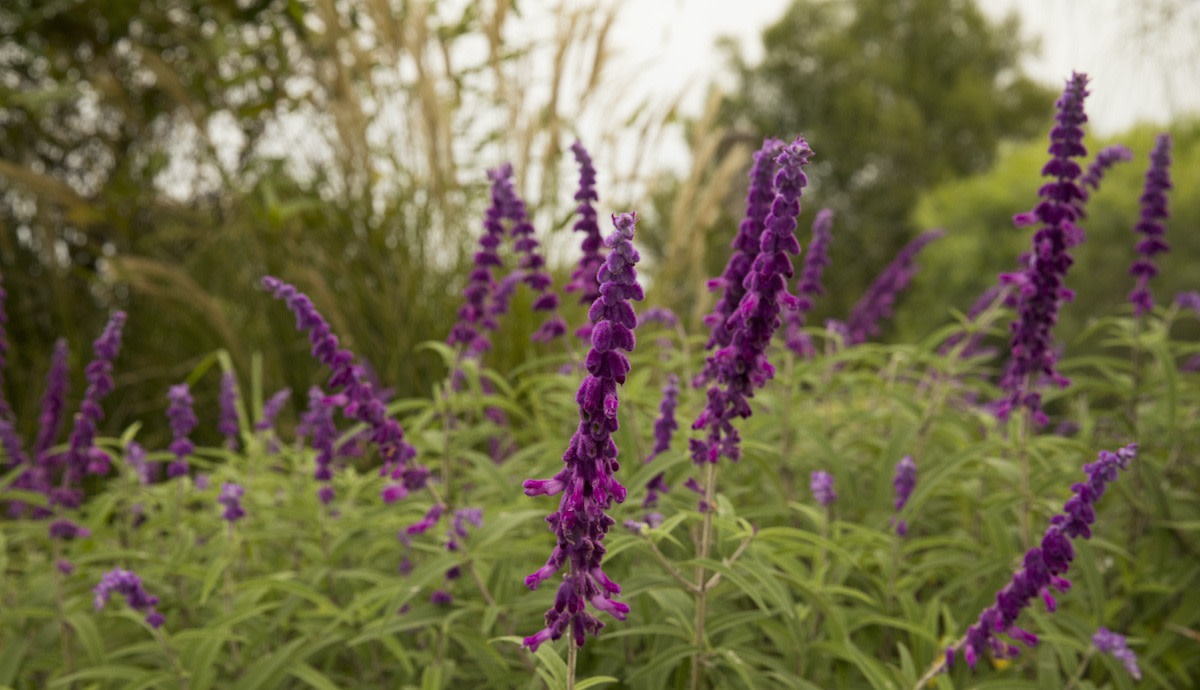
Learn moreCleveland Sage (Salvia clevelandii): Growing, Care, Uses, and Native Plant Benefits
Cleveland Sage (Salvia clevelandii) is a beautiful and fragrant evergreen shrub native to California
Learn moreWestern Sword Fern: Growing the Pacific Northwest’s Evergreen Fern
The Western Sword Fern is a beautiful and hardy evergreen plant native to western North America
Learn moreBoxwood Beauty Natal Plum: Care, Growing Tips, and Landscape Uses
The Boxwood Beauty Natal Plum is a beautiful evergreen shrub that is perfect for any garden
Learn moreThe Carolina Laurel Cherry Tree: The Ultimate Guide to Prunus caroliniana
The Carolina Laurel Cherry Tree, also known as Prunus caroliniana, is a beautiful and versatile evergreen tree native to the southeastern United States
Learn moreOkinawa Spinach (Gynura crepioides): Complete Growing, Uses, and Benefits Guide
Okinawa spinach, or Gynura crepioides, is a perennial powerhouse that will provide you with a steady supply of edible greens
Learn moreJerusalem Sage: How to Grow, Care for, and Landscape with Phlomis fruticosa
The Jerusalem Sage (Phlomis Fruticosa) is a hardy evergreen shrub native to the Mediterranean region
Learn moreFoothills Palo Verde Tree: Shade, Survival & Edible Uses in the Desert
The Foothills Palo Verde tree (Parkinsonia microphylla) is a native desert species with green photosynthetic bark, delicate pinnate leaves, and pale yellow blooms. It thrives in the Sonoran Desert and surrounding arid landscapes, providing shade, soil benefits, nectar for pollinators, and historically, food uses. Its remarkable drought tolerance and striking presence make it a valuable plant for xeriscaping, restoration, and low‑water gardening. How Indigenous Communities Traditionally Used the Palo Verde Tree Indigenous peoples of the Sonoran Desert used parts of the Palo Verde for sustenance and material culture. The Seri and other groups ground seeds into flour, boiled young pods with meats, and consumed sweet green seeds and flowers. These practices show longstanding cultural relationships with this tree beyond ornamentation. How did Indigenous peoples use the Foothills Palo Verde for food or tools? Seeds were ground into flour, flowers and young green seeds were eaten, and the wood provided fuel and simple tools in traditional contexts. Are there broader cultural traditions tied to Palo Verde trees? Yes. Names and uses in Indigenous languages reflect deep ecological knowledge spanning generations in the desert Southwest. Are Palo Verde Seeds Edible? Nutrition and Preparation Explained Parts of the Palo Verde, especially the young pods and flowers, are considered edible when prepared correctly. Green seeds can be blanched, frozen, or dried and ground into flour. Mature drying seeds can also be processed for flour or storage. Are Foothills Palo Verde seeds edible, and how are they prepared? Yes. Young green seed pods and seeds can be blanched, roasted, or dried and ground into flour for use in baking or other foods. What nutritional benefits do Palo Verde pods offer? While formal nutrition profiles are limited, they provide protein and carbohydrates when dried or roasted, and green pods are mild and palatable. Harvesting Palo Verde Pods: When and How to Collect Them Palo Verde pods develop after flowering and mature through late summer. Knowing when and how to harvest is essential for both food use and propagation. When is the best time to harvest Foothills Palo Verde pods? Pods are ready when they turn brown and start to rattle inside, generally in late summer following spring blossoming. How do you collect and store Palo Verde seeds or pods? Gather pods before they split naturally, dry them, then remove seeds and store in a cool, dry place for later use or planting. Growing Palo Verde Trees for Drought‑Tolerant Landscaping Foothills Palo Verde is a hardy tree highly suited to desert landscapes, low‑water gardens, and restoration settings. Its resilience comes from desert adaptations that reduce water stress. How do you plant and care for Parkinsonia microphylla in desert landscapes? Plant in full sun with well‑drained soil. Water regularly while establishing, then minimal watering once mature. Avoid heavy, poorly drained soils. What soil, water, and sunlight conditions are ideal? It prefers sandy to loamy soils, little supplemental water after establishment, and full sun exposure for healthy growth. How drought‑tolerant is the Foothills Palo Verde in xeriscapes? Extremely drought‑tolerant. It drops leaves during severe dryness and uses photosynthetic bark to survive long dry periods. Can you grow Foothills Palo Verde in a container or small space? Yes—large containers with well‑drained medium can support growth, though outdoor planting is optimal for long‑term health. Using Palo Verde as a Shade and Soil‑Improving Tree in Permaculture In permaculture and sustainable planting, Palo Verde’s filtered shade and soil benefits are significant. Its canopy reduces evaporation while leaf litter adds organic matter. It also supports nitrogen cycling indirectly by fostering soil microbial health, making neighboring plants more resilient. What landscaping and ecological benefits does the Foothills Palo Verde provide? It supplies shade, supports pollinators with nectar, and creates a supportive microhabitat for understory plants due to leaf litter improving soil structure. Common Problems When Growing Foothills Palo Verde and How to Solve Them Even drought‑adapted trees can face issues in cultivation. Monitoring and intervention help maintain health. What pests or diseases commonly affect Parkinsonia microphylla? It can be impacted by root borers, mistletoe infestations, and Palo Verde borer insects. Regular inspection and pruning of affected limbs help maintain vigor. How can you address these problems without harsh chemicals? Prune infested branches, ensure good air circulation, and avoid over‑watering to reduce fungal and insect issues. Foothills Palo Verde vs. Blue Palo Verde: How to Tell the Difference Though related, these species are distinct and choosing the right one for your landscape matters. How does Foothills Palo Verde differ from Blue Palo Verde? Foothills Palo Verde (P. microphylla) has pale yellow flowers, smaller leaves, and a slightly smaller mature form than Blue Palo Verde (Parkinsonia florida), which has deeper yellow blooms and often larger pods. Why choose one over the other in landscaping? Choose Foothills Palo Verde for true desert settings and extreme drought tolerance—and Blue Palo Verde where slightly richer soils and occasional moisture are available. Why the Foothills Palo Verde Is Arizona’s State Tree Arizona selected Foothills Palo Verde as a state symbol because it represents the resilience and beauty of the desert environment. Its year‑round presence, drought tolerance, and bright spring blooms exemplify southwestern landscapes. What does the Foothills Palo Verde symbolize in Arizona? It embodies the spirit of adaptation and survival in arid conditions, tying cultural identity to natural heritage. How does it contribute ecologically across Arizona? It provides nectar for pollinators, shade for wildlife, and soil benefits across desert environments.
Learn morePapaya Tree
Have you ever tasted the sweet, juicy flesh of a ripe papaya? If not, you're missing out on a tropical delight that not only satisfies your taste buds but also provides numerous health benefits. In this blog post, we will explore the fascinating world of the papaya tree, its origins, cultivation, and the amazing properties of its fruit. What is a Papaya Tree? The papaya tree, scientifically known as Carica papaya, is a tropical fruit tree native to Central America and Mexico. It belongs to the Caricaceae family and can grow up to 30 feet tall. The tree has a single stem with large, palmate leaves at the top, giving it a distinctive appearance. How Does a Papaya Tree Grow? Papaya trees thrive in warm climates with well-drained soil and plenty of sunlight. They are typically grown from seeds, which are extracted from ripe papaya fruits. The seeds are then planted in a nursery or directly in the ground. Within a few weeks, the seedlings emerge, and with proper care and maintenance, they develop into mature trees within a year. Health Benefits of Papaya Papaya is not only delicious but also packed with essential nutrients and health-promoting compounds. Here are some of the key benefits of including papaya in your diet: 1. Rich in Vitamin C: Papaya is an excellent source of vitamin C, which boosts the immune system and promotes collagen production for healthy skin. 2. Digestive Aid: The enzymes present in papaya, such as papain, aid in digestion and can help alleviate digestive disorders like bloating and constipation. 3. Anti-Inflammatory Properties: The antioxidants in papaya, such as beta-carotene, lycopene, and vitamin C, help reduce inflammation in the body, potentially lowering the risk of chronic diseases. 4. Heart Health: The fiber, potassium, and antioxidants in papaya contribute to heart health by reducing cholesterol levels and improving blood pressure. 5. Eye Health: Papaya is rich in beta-carotene, which is converted into vitamin A in the body. This vitamin is essential for good vision and may help prevent age-related macular degeneration. Conclusion The papaya tree is not only a beautiful addition to any tropical landscape but also a source of delicious and nutritious fruit. Its health benefits make it a valuable addition to a well-balanced diet. So, why not indulge in the sweet taste of papaya and reap the rewards it offers for your health?
Learn moreCherry of the Rio Grande Fruit Tree
The Cherry of the Rio Grande fruit tree, scientifically known as Eugenia aggregata, is a tropical fruit tree that is native to Brazil. This small tree belongs to the Myrtaceae family and is highly valued for its delicious and nutritious fruits. In this blog post, we will explore the unique characteristics of the Cherry of the Rio Grande fruit tree and discover why it is a must-have addition to any tropical garden. What are the key features of the Cherry of the Rio Grande fruit tree? The Cherry of the Rio Grande fruit tree is a compact tree that typically reaches a height of 10 to 15 feet. It has glossy, dark green leaves that provide an attractive backdrop for the tree's vibrant fruits. The tree produces small, cherry-like fruits that are about 1 inch in diameter. These fruits have a deep red to purple color when ripe and are known for their sweet and tangy flavor. Why should you consider growing the Cherry of the Rio Grande fruit tree? 1. Exquisite Taste: The fruits of the Cherry of the Rio Grande tree are a true tropical delight. Their unique combination of sweetness and tanginess makes them perfect for fresh eating, jams, jellies, and desserts. Once you taste these cherries, you'll be hooked! 2. Nutritional Powerhouse: Not only are the fruits delicious, but they are also packed with essential nutrients. They are a good source of vitamin C, vitamin A, and dietary fiber. Incorporating these fruits into your diet can help boost your immune system and promote overall health. 3. Easy to Grow: The Cherry of the Rio Grande fruit tree is relatively easy to grow, making it suitable for both experienced and novice gardeners. It thrives in tropical and subtropical climates and prefers well-drained soil and full sun. With proper care, you can enjoy a bountiful harvest of these delectable cherries. How to care for the Cherry of the Rio Grande fruit tree? 1. Planting: Choose a sunny location in your garden with well-drained soil. Dig a hole that is slightly larger than the root ball of the tree. Place the tree in the hole and backfill with soil, gently firming it around the roots. Water thoroughly after planting. 2. Watering: The Cherry of the Rio Grande fruit tree requires regular watering, especially during dry periods. Keep the soil evenly moist but not waterlogged. Mulching around the base of the tree can help retain moisture and suppress weed growth. 3. Pruning: Prune the tree in late winter or early spring to remove dead or damaged branches and to maintain its shape. Regular pruning will also promote better air circulation and fruit production. Conclusion The Cherry of the Rio Grande fruit tree is a tropical gem that brings both beauty and flavor to any garden. With its delicious fruits and easy cultivation, it is a must-have for fruit enthusiasts and gardeners alike. Whether you enjoy the cherries fresh off the tree or use them in various culinary creations, this fruit tree will surely delight your taste buds and add a touch of the tropics to your landscape.
Learn moreThe Red Wonderful Pomegranate: Your Guide to a Delicious and Healthy Fruit
The Red Wonderful Pomegranate is one of the most widely grown and commercially successful pomegranate varieties in the world. Known for its deep red skin, jewel-toned arils, and balanced sweet-tart flavor, the Wonderful cultivar dominates supermarket shelves and backyard orchards alike. What is a Wonderful pomegranate? The Wonderful pomegranate is a cultivar of Punica granatum known for its large size, deep red rind, and richly colored arils. It was introduced commercially in the early 20th century in California and quickly became the dominant variety for fresh eating and juice production. Today, most pomegranates sold in American supermarkets are Wonderful variety. Why is it called Wonderful pomegranate? The name “Wonderful” is a cultivar name chosen for marketing appeal. It reflects the fruit’s size, flavor balance, storage quality, and commercial reliability. The name is not botanical but has become the industry standard label for this specific variety. Is Wonderful pomegranate the same as red pomegranate? Most red pomegranates sold in large grocery chains are Wonderful variety, though not all red pomegranates are Wonderful. Other cultivars also produce red fruit, but Wonderful is the most widely grown commercial red type in the United States. Where are Wonderful pomegranates grown? Wonderful pomegranates are primarily grown in California’s Central Valley, especially around Fresno and Kern County. They are also cultivated in Arizona, parts of the Mediterranean, Israel, and regions with hot summers and mild winters. Health Benefits and Nutrition of Red Wonderful Pomegranate Red Wonderful pomegranates are frequently searched for their antioxidant profile, heart benefits, and overall nutritional value. What are the health benefits of Wonderful pomegranate? Wonderful pomegranates are rich in antioxidants, particularly punicalagins and anthocyanins. Research suggests pomegranate juice may support heart health, reduce oxidative stress, and help lower inflammation markers. Some studies show potential benefits for blood pressure and arterial health. Is pomegranate good for your heart? Pomegranate juice has been studied for cardiovascular support. Research published in nutrition and cardiology journals indicates it may help improve blood flow and reduce LDL oxidation, which is linked to heart disease risk. These effects are attributed to its high polyphenol content. How many calories are in a Wonderful pomegranate? One whole pomegranate contains roughly 230–240 calories, depending on size. One cup of arils contains approximately 140–150 calories. It is also a good source of fiber, vitamin C, vitamin K, and potassium. Does pomegranate have a lot of sugar? Pomegranate arils contain natural sugars. One cup has about 24 grams of sugar, which is comparable to many fruits. The sugar content is balanced by fiber and antioxidants, making it nutritionally dense rather than empty-calorie sweet. Taste, Appearance, and Ripeness Consumers frequently search how to identify ripe Wonderful pomegranates and what flavor to expect. What does a Wonderful pomegranate taste like? Wonderful pomegranates have a sweet-tart flavor profile. The arils are juicy with noticeable acidity, especially compared to softer, sweeter varieties. The flavor intensifies as the fruit fully ripens. How do you know if a Wonderful pomegranate is ripe? A ripe Wonderful pomegranate feels heavy for its size, indicating high juice content. The skin should be firm and deep red with a slightly matte finish. Ripe fruits often develop flat sides due to tightly packed arils inside. When are Wonderful pomegranates in season? In the United States, Wonderful pomegranates are typically harvested from September through November. They may remain available in stores through January due to their excellent storage life. Growing Red Wonderful Pomegranate Trees The Wonderful pomegranate tree is popular among home gardeners in warm climates. It is valued for drought tolerance, ornamental flowers, and fruit production. How do you grow a Wonderful pomegranate tree? Wonderful pomegranate trees require full sun and well-drained soil. They thrive in USDA zones 8–11. The tree needs hot summers for fruit development and mild winters. Planting in a sunny, sheltered location improves fruit quality. How long does a Wonderful pomegranate tree take to bear fruit? A grafted Wonderful pomegranate tree can begin producing fruit within 2 to 3 years. Full production typically occurs around 5 years after planting. Trees can remain productive for decades under proper care. How often should you water a pomegranate tree? Young trees require consistent watering during establishment. Mature trees are drought tolerant but benefit from deep watering every 7–10 days during dry periods. Overwatering can reduce fruit sweetness and cause splitting. Can you grow Wonderful pomegranate in pots? Yes, Wonderful pomegranates can grow in large containers with proper drainage. Dwarfing may occur, but container growing is possible in warm climates or where winter protection is needed. How to Eat, Store, and Use Wonderful Pomegranates How long do Wonderful pomegranates last? Whole pomegranates can last 1 to 2 months in refrigeration. Arils stored in an airtight container typically last up to 5 days in the refrigerator. Can you freeze pomegranate arils? Yes, arils can be frozen in a single layer on a tray before transferring to freezer-safe containers. Frozen arils maintain flavor and can be used in smoothies, desserts, or sauces. What are the best ways to use Wonderful pomegranate? Red Wonderful pomegranates are prized for their deep color, juicy arils, and balanced sweet-tart flavor. Their versatility makes them useful far beyond simple snacking. Fresh arils brighten salads, grain bowls, yogurt, and oatmeal with texture and acidity. They pair especially well with feta, goat cheese, nuts, and leafy greens. The juice can be enjoyed on its own, blended into smoothies, or mixed into sparkling water and cocktails. In savory cooking, pomegranate juice can be reduced into a glaze for chicken, lamb, or roasted vegetables. It is also the base for pomegranate molasses, commonly used in Middle Eastern cuisine. For desserts, arils add color and contrast to cheesecakes, chocolate cakes, and fruit tarts.
Learn more